Are Forklift Batteries Hazmat?

Are Forklift Batteries Hazmat?

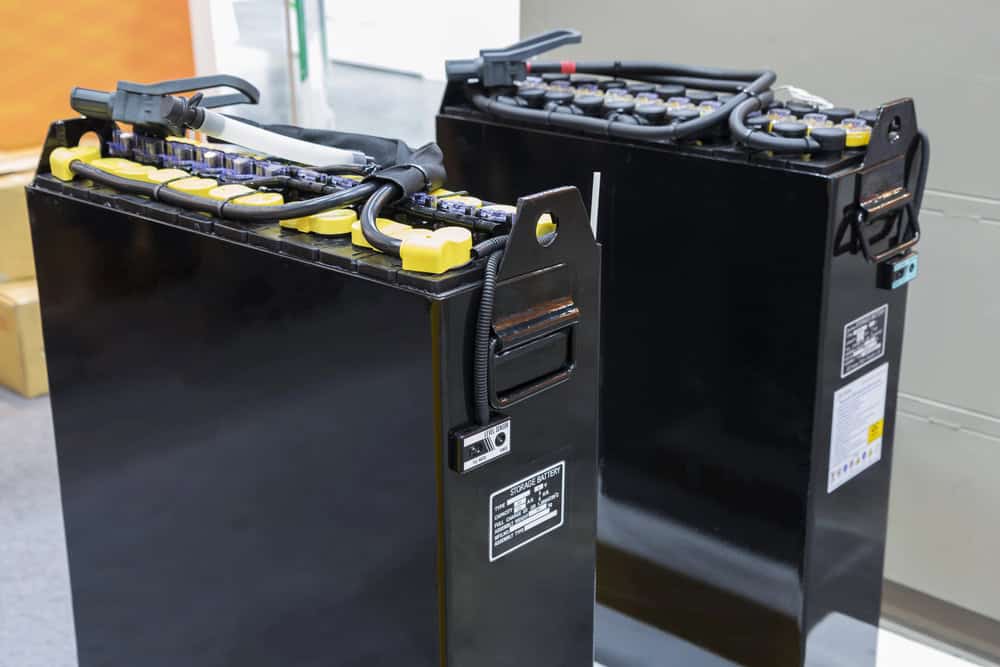
Forklift batteries are important for powering industrial equipment. However, are forklift batteries hazmat? Yes, they are considered hazardous materials due to the chemicals and elements inside them, which can pose risks if not handled properly.

Whether you are using lead-acid or lithium-ion batteries, proper care, handling, and disposal are important to guarantee both safety and compliance with environmental regulations. We will break down why forklift batteries are classified as hazmat and how you can handle them responsibly.

Why Are Forklift Batteries Considered Hazmat?

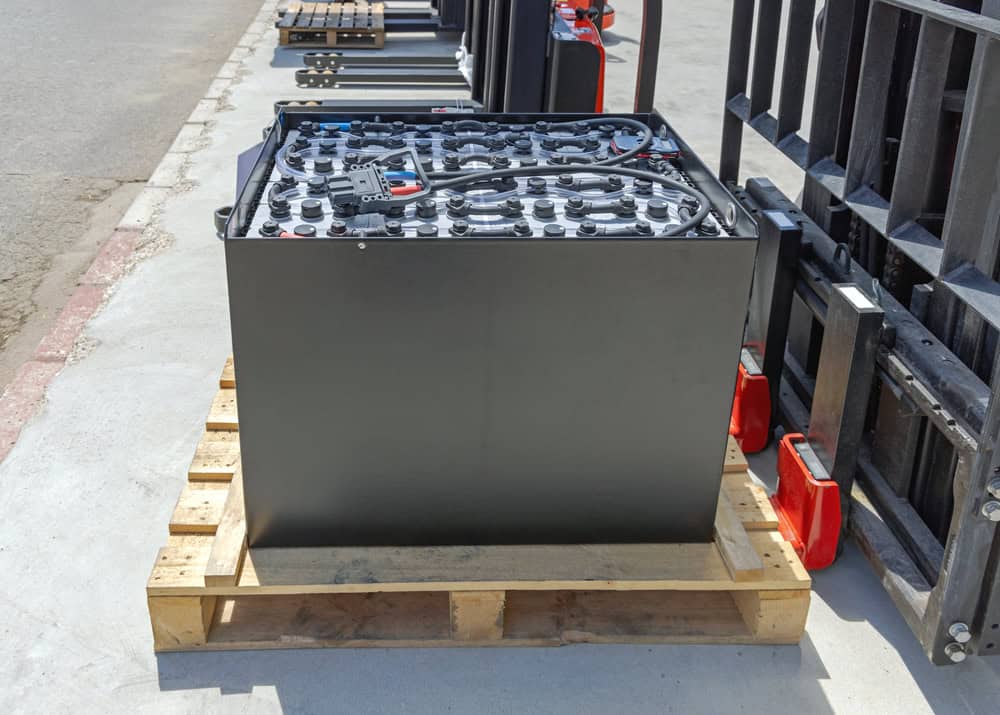
Forklift batteries contain chemicals that can be harmful if released into the environment. Lead-acid batteries, the most common type used in forklifts, are filled with sulfuric acid and lead. These substances can be hazardous if leaked or mishandled.

On the other hand, lithium-ion batteries are widely used because of their efficiency. However, they contain lithium, cobalt, and other materials that can be hazardous. Exposure to air, heat, or fire can increase the risks associated with these components.

These risks make it clear why forklift batteries are considered hazardous materials. Both types of batteries can cause serious environmental damage if not disposed of properly. Additionally, improper handling during transportation or installation can lead to dangerous situations like leaks, fires, or even explosions.

Types of Forklift Batteries and Their Hazmat Classification

  • Lead-Acid Batteries

Lead-acid forklift batteries are classified as hazardous materials under U.S. Department of Transportation (DOT) regulations. The acid inside the battery is corrosive. The lead is toxic to both humans and animals.

For this reason, lead-acid batteries must be handled with care during transportation, storage, and disposal. Any damage to the battery casing could result in hazardous leaks. This makes the battery a significant environmental and health risk.

  • Lithium-Ion Batteries

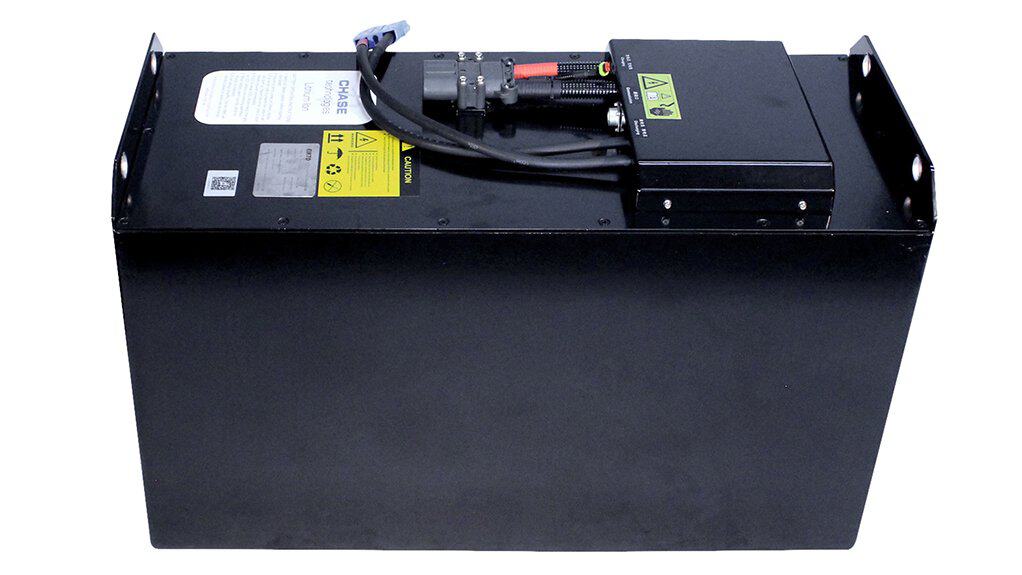
Lithium-ion forklift batteries are a newer technology and are classified as hazardous materials due to their potential to catch fire or explode under certain conditions. The risks associated with these batteries include fire and chemical leakage.

When damaged, they can release flammable gases, which make them a hazard during handling and shipping. The International Air Transport Association (IATA) and DOT have strict guidelines for transporting lithium-ion batteries to prevent accidents.

What Happens If Forklift Batteries Are Mishandled?

  • Lead-Acid Batteries

If the sulfuric acid inside a lead-acid battery leaks, it can burn skin, eyes, and other surfaces. If not neutralized properly, it can also contaminate the environment, harming wildlife and plant life. The lead in these batteries can seep into soil and groundwater. This will create long-lasting pollution.

  • Lithium-Ion Batteries

Lithium-ion batteries are more prone to thermal runaway–a chemical reaction that can result in fire or explosion. If punctured, exposed to extreme heat, or improperly charged, these batteries can ignite. This risk makes shipping and handling even more regulated.

  • Recycling and Disposal Options

Recycling forklift batteries is not only a safe option but also an environmentally responsible one. By recycling batteries, you reduce the demand for new materials. This also helps prevent harmful chemicals from entering the environment.

If you need help with used forklift batteries, we at Green Power Forklift Batteries offer competitive prices for purchasing your old batteries. Our team is here to assist with all your battery needs, from sales to responsible disposal.

If you have any questions or need assistance with forklift batteries, feel free to contact us. Let us help you make the right decision for your business and the environment.

How Long Does It Take To Charge A Forklift Battery?

How Long Does It Take To Charge A Forklift Battery?

Forklift battery charging is an important aspect of warehouse and industrial operations. It is not just about plugging in and walking away.

Understanding the different battery types and their charging needs can help you keep your operations running smoothly. The amount of time it takes to charge a forklift battery depends on the type of battery you are using.

In this article, we will explore how long to charge a forklift battery and provide tips on how to maximize battery life while reducing downtime.

How Long to Charge a Forklift Battery: Standard Charging Times

Lithium-Ion Forklift Batteries

Lithium-ion forklift batteries are known for their fast charging capabilities. These batteries typically charge much faster than their lead-acid counterparts. In most cases, a lithium-ion battery can be fully charged in about one to two hours.

This quick charging time is one of the key advantages of lithium-ion batteries. They can also be charged during short breaks or between shifts. For this reason, they are an excellent choice for operations that need minimal downtime.

Lead-Acid Forklift Batteries

On the other hand, lead-acid forklift batteries have longer charging times. These batteries are commonly used in many operations because they are cost-effective and durable.

A standard lead-acid forklift battery can take about 8 hours to charge fully. It is important to let the battery cool down for an additional 8 hours after charging to maintain its health and performance. This 8-8-8 rule (8 hours of use, 8 hours of charging, and 8 hours of cooling) is an effective guideline for maximizing the lifespan of lead-acid batteries.

Thin Plate Pure Lead (TPPL) Forklift Batteries

TPPL forklift batteries are designed for applications requiring frequent charging. These batteries can be charged more quickly compared to standard lead-acid batteries. For Class III applications, it takes less than 1.5 hours to reach full charge.

In Class I applications, it may take up to 5 hours. TPPL batteries allow for opportunity charging. This means you can charge them during breaks or other downtimes. This guarantees the battery remains in optimal condition without the need for a full 8-hour charge every time.

Quick Charging Forklift Batteries

Some forklifts use advanced charging technologies, such as quick chargers, to reduce downtime. Quick-charging batteries can often charge in as little as 15 minutes. These chargers are designed for specific battery types and offer a more rapid charge cycle.

However, they should not be used with regular batteries unless the manufacturer specifies they are compatible. Quick charging is particularly useful for operations that require continuous use of forklifts throughout the day.

Factors That Influence Charging Time

Battery Type

As discussed, the type of battery plays a significant role in the charging time. Lithium-ion batteries charge faster than lead-acid or TPPL batteries. However, the specific chemistry of each battery type (such as nickel-manganese-cobalt for lithium-ion) affects the speed of the charge.

Charger Type

The charger used also impacts how long it takes to charge a forklift battery. Different chargers have different power outputs. A standard charger for a lead-acid battery may take longer than a fast charger.

Fast chargers can shorten charging times by supplying more power to the battery. However, they may only be compatible with certain types of batteries.

Charging Environment

The temperature and environment where the battery is charged can also affect the time it takes to charge. Extreme temperatures (either too hot or too cold) can slow down the charging process or even damage the battery.

Make sure the battery is charged in a cool, well-ventilated area to maximize efficiency and performance.

Battery Age and Condition

As batteries age, their ability to hold a charge and charge efficiently diminishes. Older batteries may require more time to charge and may not hold a full charge as effectively as newer ones.

If you have an older forklift battery that is charging slower than usual, it may be time to consider a upgrade.

How To Maximize Battery Life and Reduce Charging Times

Follow Recommended Charging Practices

Always follow the manufacturer’s instructions for charging times and practices. For lead-acid batteries, allow time for the battery to cool after charging. For lithium-ion batteries, take advantage of opportunity charging to keep the battery at an optimal charge level throughout the day.

Invest in the Right Charger

Choosing the right forklift battery charger is key. Using a charger that matches the battery’s voltage and capacity will prevent overcharging and reduce charging time. If you have a lithium-ion battery, consider investing in a charger specifically designed for that battery type.

Charge Regularly and Prevent Deep Discharges

To prolong battery life, avoid letting the charge level drop too low. Both lead-acid and lithium-ion batteries last longer when they are charged regularly and not allowed to discharge completely.

Opportunity charging, especially with lithium-ion batteries, will keep your forklift in operation while minimizing charging downtime.

Maintain Proper Battery Care

Routine maintenance of your forklift battery is important. Check for signs of corrosion or wear, and clean the terminals regularly. For lead-acid batteries, monitor the water level and top it off as needed with distilled water. Keeping your battery in good condition will help make sure it charges efficiently and lasts longer.

Choosing the Right Battery for Your Needs

When selecting a forklift battery, the charging time is just one factor to consider. You should also consider your operation’s specific needs, the type of forklift you are using, and your budget.

Lithium-ion batteries are a great choice if you are looking for a battery that charges quickly and requires less downtime. For businesses that need a reliable and cost-effective solution, lead-acid batteries may be the best option.

Green Power Forklift Batteries offers a range of new forklift batteries, reconditioned batteries, and lithium-ion forklift batteries. Visit our website for more.

Can You Buy A Forklift Battery Online?

Can You Buy A Forklift Battery Online?

A forklift is a vital part of many operations. Businesses rely on these machines to move goods efficiently. If the forklift battery fails, it can bring everything to a halt. This is why getting the right forklift battery is a top priority.

You might be wondering, can you buy a forklift battery online? The answer is yes, but there are several things to consider before purchasing.

The right choice will save you time and money in the long run. Let us explore how to buy a forklift battery and what factors to consider before you make that online purchase.

What to Know Before Buying a Forklift Battery Online

Buying a forklift battery online can be convenient. However, you must know exactly what you want. Getting the wrong battery can lead to poor performance, shorter lifespans, and safety risks.

To avoid these, follow these guidelines when considering a forklift battery for your business.

What Size Battery Does Your Forklift Need?

Before buying any forklift battery, you must first know the size requirements for your forklift. Not all forklift batteries are the same.

Forklifts typically use 24V, 36V, 48V, or 80V batteries. Checking your forklift’s battery compartment assures the new battery fits properly. If you’re unsure, consult your forklift manual or dealer for the correct specifications.

Using the wrong voltage can cause serious issues, including damage to the forklift’s electrical system. Always verify that the battery voltage matches your forklift’s requirements before making a purchase.

Does Your Forklift Battery Have the Right Capacity?

Another factor to consider when buying forklift batteries online is the battery’s capacity. Capacity refers to the amount of energy the battery can store, and it is usually measured in amp-hours (Ah). The higher the amp-hour rating, the longer the battery will last on a single charge.

Check the current amp-hour rating on your existing forklift battery to make sure the replacement will meet your operational needs. If you are unsure, your forklift supplier can help guide you to the best capacity based on the size and workload of your forklift.

What Is the Weight Requirement for Your Forklift Battery?

Forklifts have specific weight requirements for their batteries. A battery that is too light can cause instability in the forklift. This can lead to accidents.

Always check your forklift’s data plate or the owner’s manual to confirm the minimum weight needed. This is one factor you do not want to overlook. An underweight battery can make your forklift less safe to operate.

Check the Battery’s Charging Requirements

Different forklift batteries have different charging needs. Before buying a forklift battery online, check if your current charger is compatible with the new battery.

Some forklift batteries require specific chargers. Especially, lithium-ion batteries may need chargers designed for their type.

It is important to make sure the voltage and specifications of your existing charger match the requirements of the new battery. If you are upgrading to a lithium-ion battery, you may need to purchase a new charger.

Is the Battery Low-Maintenance or Maintenance-Free?

Forklift batteries fall into two main categories: low-maintenance and maintenance-free.

Low-maintenance batteries require periodic maintenance, such as checking and adding water to the cells. On the other hand, maintenance-free batteries do not require this kind of care.

When buying a forklift battery online, make sure you are clear on what type of maintenance the battery needs. If you prefer a hassle-free experience, you may want to go with a maintenance-free option. If you do not mind periodic maintenance, a low-maintenance battery may suit your needs better.

Reconditioned or New Battery: Which Is Right for You?

When considering buying forklift battery, you might also be deciding between a new or reconditioned option. New forklift batteries are the most reliable option. They offer full capacity, long lifespans, and the peace of mind that comes with a warranty. If you are interested in a more affordable option, reconditioned batteries may be suitable. These batteries are refurbished to restore their capacity. However, they tend to have a shorter lifespan than new batteries.

What About Lithium-Ion Batteries for Forklifts?

Another option you may encounter when buying forklift battery online is lithium-ion batteries. These modern batteries are becoming increasingly popular due to their faster charging times, longer lifespans, and higher efficiency compared to traditional lead-acid batteries.

Lithium-ion batteries for forklifts are ideal for businesses that need fast charging and long operational hours without the need for frequent recharges. However, they tend to be more expensive upfront than lead-acid batteries. If your operation demands high productivity and minimal downtime, a lithium-ion battery could be a worthwhile investment.

How to Verify the Battery’s Warranty                          

When buying a forklift battery online, do not overlook the warranty. A warranty acts as a safeguard against premature battery failure.

Without a warranty, you may end up paying out of pocket for replacement or repairs. Always check the length and terms of the warranty before making a purchase.

We offer a 7-year warranty on most of our new forklift batteries. This gives you peace of mind knowing that your investment is protected. If you choose a reconditioned battery, the warranty might be shorter. However, it still offers a level of protection and security.

Buy a Forklift Battery Online

Choosing the right forklift battery is not something you should rush. Whether you opt for a new forklift battery, a reconditioned option, or a lithium-ion battery, it is important to understand your forklift’s specific needs.

Take the time to verify your forklift’s voltage, capacity, weight, and charging system to assure the battery fits and operates efficiently. Additionally, always prioritize a good warranty to safeguard your investment.

At Green Power Forklift Batteries, we understand the importance of reliable, long-lasting power solutions for your fleet. With over 12 years of experience, we offer a wide range of forklift batteries designed to meet your operational needs.

From new forklift batteries to lithium-ion solutions, our products are built to perform at the highest standard. Furthermore, our dedicated customer service makes sure that you get the right battery for your business.

Ready to get started? Call us at 1-619-353-9144 or visit our website to browse our new forklift batteries and other battery solutions. We are here to help you make the best choice for your business.

Factors To Consider When Buying A Forklift Lithium Battery

Forklift lithium batteries are transforming the material handling industry. They offer exceptional performance and longer operational lifespans. These batteries support industries that rely on forklifts for consistent and efficient operations.

Choosing the right lithium battery for your forklift involves understanding various factors, from performance metrics to maintenance needs. Making an informed decision helps enhance productivity and reduces downtime. This allows businesses to thrive in competitive environments.

Understanding Forklift Lithium Batteries

Lithium-ion batteries have become a preferred energy solution for forklifts due to their innovative technology and impressive capabilities.

Unlike traditional lead-acid batteries, lithium batteries deliver consistent power output throughout the shift without requiring long breaks for recharging or cooling. This makes them highly efficient for industries that demand continuous and reliable operation.

Additionally, lithium batteries are lightweight, compact, and equipped with advanced features that reduce the effort needed for maintenance.

Before investing in a forklift lithium battery, it is important to understand its core benefits and how it aligns with your operational needs. These batteries are known for their ability to enhance forklift performance, reduce energy consumption, and eliminate the need for labor-intensive maintenance routines.

Benefits of Lithium-ion Technology in Forklifts

High Charging Efficiency

Lithium batteries support faster charging compared to lead-acid alternatives. A fully discharged lithium-ion battery can be charged in less than half the time required by its lead-acid counterpart.

This capability is valuable for operations that run multiple shifts and cannot afford prolonged charging downtimes. With the ability to opportunity charge during short breaks, lithium batteries maximize uptime and reduce interruptions.

Consistent Voltage Output

Forklift performance relies on stable voltage throughout a shift. Lithium batteries excel in this area by maintaining consistent voltage, even as the charge depletes.

This helps forklifts deliver reliable power for lifting and moving tasks without compromising productivity. Businesses benefit from smoother operations and improved equipment efficiency.

Minimal Maintenance

Lithium-ion batteries eliminate the need for frequent maintenance tasks like watering and cleaning, which are necessary for lead-acid batteries. This feature not only saves time but also reduces labor costs.

Sealed cells and built-in battery management systems (BMS) in lithium batteries simplify their usage and prevent potential errors caused by improper maintenance.

Durability and Longevity

Lithium batteries typically last much longer than lead-acid batteries. They offer thousands of charge cycles before replacement is needed. This durability translates into lower replacement frequency and reduces overall operating costs. The extended lifespan makes them a worthwhile investment for businesses focused on long-term efficiency.

Key Considerations for Choosing the Right Lithium Battery

Battery Size and Compatibility

Forklifts come in different sizes and configurations, and the battery you choose must match the equipment’s specifications. Selecting the wrong size can lead to compatibility issues and affect the forklift’s performance.

It is important to check the voltage and capacity requirements of your forklift before purchasing a lithium battery. If you are unsure, consult the equipment’s manual or seek professional advice to make the right choice.

Charging Infrastructure

Switching to lithium batteries may require upgrading your charging stations or introducing new charging infrastructure. Unlike lead-acid batteries that rely on dedicated charging rooms, lithium batteries can be charged on-site with minimal setup.

However, it is vital to evaluate your existing infrastructure to guarantee compatibility with lithium-ion chargers. Proper planning can help avoid unexpected costs or disruptions during implementation.

Temperature Management

Lithium-ion batteries are sensitive to extreme temperatures. High temperatures can impact their performance and lifespan. Meanwhile, freezing conditions may hinder their ability to charge efficiently.

For operations in harsh environments, selecting batteries with built-in temperature management systems is important. These systems monitor and regulate battery temperature, guaranteeing optimal performance in challenging conditions.

Battery Management Systems (BMS)

A Battery Management System is an important feature in lithium-ion batteries. It monitors various aspects of the battery’s performance, such as charge level, temperature, and voltage – assuring safe and efficient operation.

A high-quality BMS prevents issues like overcharging or overheating. It protects both the battery and the forklift. When purchasing a forklift lithium battery, prioritize models equipped with advanced BMS technology.

Warranty and Support

The warranty offered with a lithium battery reflects the manufacturer’s confidence in its performance and reliability. A longer warranty period, such as the five years we offer on our li-ion batteries, shares peace of mind and assurance of quality.

Additionally, consider the customer support and service provided by the supplier. Reliable support can make a significant difference in addressing any technical issues that arise during the battery’s lifespan.

Environmental and Operational Impact

Lithium batteries are known for their environmental advantages over lead-acid alternatives. They eliminate the need for hazardous materials like sulfuric acid and significantly reduce energy waste during charging. With lithium batteries, businesses can align their operations with sustainability goals and reduce their carbon footprint.

In addition to their environmental benefits, lithium batteries improve operational efficiency by minimizing downtime and enhancing forklift performance.

These batteries support high-demand operations with their rapid charging capability and reduce reliance on backup equipment. This streamlined efficiency allows businesses to focus on core operations rather than battery management.

Common Misconceptions About Lithium-ion Batteries

While lithium batteries are gaining popularity, some misconceptions about their performance and functionality persist. It is important to address these misconceptions to make an informed purchase decision.

Lithium Batteries Are Too Expensive

The initial cost of lithium batteries is higher than lead-acid batteries. However, their long-term savings outweigh the upfront investment.

Factors like extended lifespan, reduced maintenance, and lower energy costs contribute to significant cost savings over time. With a focus on the total cost of ownership, businesses can better understand the value of lithium technology.

Lithium Batteries Are Not Safe

Modern lithium batteries are equipped with advanced safety features, including battery management systems and protective enclosures.

These features prevent overheating, overcharging, and other potential safety risks. When used correctly and maintained properly, lithium-ion batteries are a safe and reliable energy solution.

Lithium Batteries Cannot Handle High Loads

Lithium batteries are designed to deliver consistent power even under demanding conditions. Their stable voltage output supports high-load operations. This makes sure that forklifts perform efficiently throughout the shift.

Transitioning to Lithium-ion Batteries for Forklifts

Making the shift to lithium-ion batteries requires careful planning to maximize their benefits for your fleet. Start by assessing your current forklift operations and identifying areas where lithium technology can enhance productivity. Consider the frequency of use, shift lengths, and charging opportunities during operations.

Once implemented, these batteries significantly reduce maintenance demands. By eliminating the need for watering, cleaning, and constant monitoring, lithium batteries free up valuable time for operators and maintenance teams. With longer lifespans and fewer replacements, you can focus on streamlining operations and improving output.

Why Green Power Forklift Batteries?

Green Power Forklift Batteries recognizes the unique demands of the material handling industry. Our wide range of products, including our brand of new forklift batteries, refurbished batteries, and BBI batteries, are designed to deliver unmatched performance and reliability.

For operations looking to embrace lithium technology, our forklift battery products offer proven solutions to meet your needs.

Our customer service team is dedicated to supporting businesses in selecting the right batteries for their fleet. With decades of experience and a commitment to quality, we help you improve operational efficiency and reduce downtime. Let us guide you in choosing batteries that align with your goals and power your success.

Power Your Fleet with Confidence

Switching to lithium-ion batteries can transform your forklift operations, delivering enhanced productivity and reduced maintenance. With Green Power Forklift Batteries, you gain access to trusted solutions and unparalleled customer support.

Explore our products today and discover how we can help your business thrive with reliable and sustainable forklift energy solutions.

11 Reasons To Switch To Lithium Forklift Battery For Warehouse Operations

reasons-to-switch-to-lithium-forkit-battery

Warehouse operations demand efficiency, reliability, and consistent performance from forklifts. A lithium battery forklift offers a transformative solution for businesses aiming to optimize operations.

These batteries bring advanced energy technology to the material handling industry. This enables forklifts to work longer, charge faster, and perform better. Understanding how lithium batteries outperform traditional options helps businesses make informed decisions to improve productivity and sustainability.

Enhanced Charging Efficiency for Maximum Uptime

Lithium batteries for forklifts charge significantly faster than traditional lead-acid batteries. This fast charging reduces downtime and increases equipment availability. Therefore, it becomes easier to maintain productivity during peak operational hours.

Instead of waiting for hours, forklift operators can recharge a lithium battery during short breaks or downtime between shifts. The flexibility allows warehouses to keep forklifts operational throughout the day.

Opportunity charging is a key feature of a lithium battery forklift. It allows operators to partially recharge the battery as needed without negatively impacting its lifespan. This makes lithium batteries ideal for facilities running multiple shifts or handling time-sensitive deliveries. With no need for long resting periods after charging, businesses experience uninterrupted operations.

Additionally, the efficient charging process reduces energy waste. Lithium batteries convert electricity into usable power with minimal energy loss. They help warehouses meet sustainability goals. Over time, this translates into reduced energy consumption and increased cost savings.

Consistent Voltage for Reliable Performance

One of the significant advantages of lithium batteries is their ability to maintain consistent voltage throughout a shift. Unlike lead-acid batteries, which gradually lose power as they discharge, lithium batteries provide steady performance until their charge is depleted. This makes sure that forklifts operate at optimal capacity – allowing operators to complete tasks efficiently without disruptions.

Consistent voltage directly impacts forklift functionality. With steady power, forklifts can lift heavy loads, maintain speed, and operate attachments without noticeable drops in performance. The reliability improves workflow, especially in high-demand environments like warehouses that process large volumes of goods daily.

Lithium batteries also protect the forklift’s internal components by eliminating power fluctuations. Stable energy delivery prevents unnecessary wear and tear, extends the equipment’s lifespan, and reduces maintenance needs.

Increased Productivity with Minimal Downtime

Forklifts equipped with lithium batteries contribute to higher productivity by reducing downtime associated with charging and maintenance. Traditional lead-acid batteries require extensive upkeep, including watering, cleaning, and equalizing charges. These tasks can interrupt operations and lead to inefficiencies in warehouse workflows.

On the other hand, lithium batteries are virtually maintenance-free. Their sealed design eliminates the need for frequent inspections and upkeep. This allows operators to focus on their tasks without worrying about battery maintenance schedules. For warehouse managers, this means fewer disruptions and a smoother workflow.

Additionally, lithium batteries last longer on a single charge. Their high energy density allows forklifts to operate for extended periods, even in demanding environments. This means less time spent swapping batteries and more time spent moving goods. Warehouses can handle more tasks in less time. This will further help warehouses improve overall throughput and meet tight deadlines.

Simplified Maintenance and Longer Lifespan

Maintenance is a significant consideration when choosing a forklift battery. Traditional lead-acid batteries require regular watering and cleaning to prevent corrosion and maintain performance. Failing to complete these tasks can lead to reduced efficiency and costly repairs. Lithium batteries simplify this process by eliminating the need for regular maintenance altogether.

Lithium batteries feature sealed cells, which do not require watering or cleaning. This design reduces the risk of spills, leaks, and contamination in the warehouse environment. Without the need for specialized maintenance routines, warehouse staff can allocate their time to more critical operational tasks.

The lifespan of lithium batteries is another advantage. They typically last two to three times longer than lead-acid batteries. This helps reduce the frequency of replacements. The longevity translates into significant cost savings over time and contributes to sustainable practices by reducing waste. With lithium batteries, warehouses gain a long-term solution that supports their operational goals.

Environmental Benefits and Sustainability

Switching to lithium batteries aligns with the growing focus on sustainability in the logistics and material handling industry. Unlike lead-acid batteries, which contain hazardous materials such as sulfuric acid and lead, lithium batteries are an environmentally friendly option. They do not emit harmful gases during operation or charging. They are safer for warehouse staff and reducing the facility’s overall carbon footprint.

Lithium batteries are also more energy-efficient. Their advanced charging technology minimizes energy waste and enables warehouses to lower their energy consumption.

In addition, the long lifespan of lithium batteries reduces the frequency of disposal and replacement. This contributes to less battery waste in landfills and supports eco-conscious practices. Warehouses committed to environmental responsibility can benefit from integrating lithium technology into their operations.

Opportunity Charging for Flexible Operations

Lithium batteries enable flexible charging solutions that adapt to the fast-paced demands of modern warehouses. Unlike lead-acid batteries, which require full charging cycles to maintain performance, lithium batteries can be opportunity charged without degrading their capacity. This allows operators to recharge the battery during breaks, making sure forklifts remain operational throughout the day.

Opportunity charging eliminates the need for multiple batteries per forklift. Warehouses no longer have to allocate space for battery swapping stations or manage the logistics of storing spare batteries. This simplifies warehouse operations and reduces the costs associated with maintaining extra inventory.

For warehouses operating in multi-shift environments, opportunity charging is a game-changer. It assures forklifts are always ready to perform, even during peak hours.

Improved Safety for Operators and Equipment

Lithium batteries enhance safety standards in warehouse environments by eliminating several risks associated with traditional lead-acid batteries.

The sealed design of lithium batteries prevents leaks, spills, and emissions of hazardous gases like hydrogen. This makes them a safer choice for operators and reduces the likelihood of accidents caused by improper handling or maintenance.

Additionally, lithium batteries feature advanced battery management systems (BMS) that monitor and regulate their performance. These systems help prevent overheating, overcharging, and other potential issues that could compromise safety. Maintaining optimal operating conditions, lithium batteries protect both the forklift and the operator.

The compact size and lightweight design of lithium batteries also improve the forklift’s balance and stability. They reduce the risk of tipping during operation. These safety benefits make lithium batteries a reliable option for busy warehouse environments.

Enhanced Energy Efficiency

Energy efficiency is a priority for modern warehouses striving to reduce operational costs and environmental impact. Lithium batteries excel in this area by converting a higher percentage of electricity into usable energy compared to lead-acid batteries. This efficiency minimizes energy waste during charging and operation and results in lower electricity consumption over time.

Lithium batteries also retain their charge longer when not in use – reducing the need for frequent recharging. This feature is especially useful for warehouses with fluctuating workloads or seasonal demand. Lithium batteries help make sure that forklifts are ready for use whenever needed by maintaining their energy reserves.

The ability to maximize energy usage aligns with sustainability goals and supports cost-effective warehouse management. Facilities aiming to minimize their carbon footprint can benefit from the reduced energy consumption and waste associated with lithium technology.

Improved Performance in Extreme Temperatures

Warehouses operating in extreme temperature conditions often face challenges with traditional lead-acid batteries, which can lose efficiency in hot or cold environments. However, lithium batteries are designed to perform consistently across a wide range of temperatures. Their advanced chemical composition and thermal management systems assure reliable operation even in demanding settings.

In colder climates, lithium batteries maintain their charge and deliver consistent voltage without requiring additional equipment like battery warmers. In hot environments, their built-in thermal protection prevents overheating and extends battery life. These features make lithium batteries an ideal choice for warehouses dealing with fluctuating or extreme temperatures.

Space Savings and Simplified Logistics

Switching to lithium batteries can lead to significant space savings in warehouse facilities. Different from lead-acid batteries, which require dedicated rooms for charging and maintenance, lithium batteries can be charged on-site without the need for specialized infrastructure. This eliminates the need for battery-swapping stations and frees up valuable floor space for other operations.

The reduced footprint of lithium batteries also simplifies logistics. Warehouses no longer need to manage the storage and transport of spare batteries and streamline inventory management. With fewer components to handle, operations become more efficient, and potential delays caused by battery logistics are minimized.

These space and logistics advantages are particularly beneficial for warehouses operating in urban areas or facilities with limited storage capacity. Businesses can improve their operational efficiency and focus on core activities by optimizing the use of available space.

Long-term Cost Savings

While the initial investment in lithium batteries may be higher, their long-term cost savings make them a financially sound choice for warehouses. The extended lifespan of lithium batteries reduces the frequency of replacements and lowers capital expenses over time. Additionally, their maintenance-free design minimizes the labor and resources required for upkeep.

Lithium batteries also reduce energy costs due to their high efficiency and opportunity charging capabilities. Consuming less electricity and requiring fewer replacements, they contribute to a lower total cost of ownership compared to lead-acid batteries. These savings allow warehouses to allocate resources to other areas of operation and improve overall profitability.

Driving Warehouse Success with Lithium Technology

Green Power Forklift Batteries knows the unique demands of warehouse operations. Our wide selection of lithium-ion batteries for forklifts delivers the reliability, efficiency, and safety your fleet requires.

In addition to lithium batteries, we offer forklift battery products tailored to support businesses of all sizes. With decades of experience, we are committed to helping your warehouse achieve seamless operations and enhanced productivity. Choose our solutions today.

Where Is The Battery Located In A Forklift?

Where Is The Battery Located In A Forklift?

The location of a forklift battery varies depending on each brand’s design approach and engineering priorities. Understanding the battery’s placement is essential for effective maintenance, timely replacements, and ensuring optimal performance. From enhancing stability to balancing loads, the battery’s position is critical to a forklift’s overall functionality.

Battery Placement Under the Operator’s Seat

Many forklifts, including certain models by Toyota, Yale, Hyster, Crown, and Raymond, position the battery beneath the operator’s seat. This design keeps the center of gravity low, enhancing the forklift’s balance when lifting and moving heavy loads. It also offers relatively simple access for routine battery checks and maintenance.

By placing the battery under the seat, these manufacturers improve weight distribution—especially important in high-capacity operations. Operators can easily reach the battery for tasks like cleaning terminals or checking electrolyte levels, reducing downtime and streamlining daily checks.

Rear Compartment Battery Locations

Some forklift models use rear compartments to house their batteries, leveraging the battery’s weight as a counterbalance for the lifting mechanism at the front. This approach promotes smoother handling and better overall equilibrium, making it popular for more heavy-duty applications.

For example, certain Toyota electric forklifts (such as the 8FBCU series) use rear battery compartments to achieve reliable weight distribution and simplify battery access. This design is common in high-volume warehouses where stability and quick battery servicing are top priorities.

Side Compartments for Quick Access

Side battery compartments are favored by operations that require frequent battery changes, particularly in multi-shift environments. Hyster, Crown, and Raymond all offer models with side compartments featuring sliding trays or removable panels for easy battery swaps. This layout lets operators replace batteries swiftly, minimizing interruptions in busy warehouse settings.

Because side compartment designs prioritize accessibility, they’re well-suited for large facilities where forklifts may need multiple battery rotations throughout a shift. It’s a practical choice for maximizing uptime and maintaining workflow efficiency.

Balancing the Forklift with Battery Placement

Battery placement does more than provide convenience—it directly influences how a forklift handles its load. A strategically positioned battery helps counterbalance heavy items being lifted, thereby reducing the risk of tipping or instability.

Manufacturers like Yale and Toyota design their forklifts with specific weight distributions in mind. Whether the battery is located under the seat, in the rear, or on the side, each configuration aims to keep the machine balanced and safe, even when handling demanding tasks or operating on uneven surfaces.

Maintaining Forklift Batteries

No matter where your forklift’s battery is located, proper maintenance is crucial for its longevity and dependable performance. Regularly inspect the battery for corrosion, loose connections, and electrolyte levels. Simple preventative measures—like cleaning terminals—can ward off major issues later.

If you’re considering a battery replacement, Green Power Forklift Batteries offers a variety of refurbished options. These can provide reliable performance at a lower cost, making them a sensible choice for businesses with multiple forklifts or budget considerations.

Adapting to Model-Specific Designs

Different forklift models are built to serve distinct industry needs. Warehouse forklifts may feature quick-access side compartments for seamless battery swaps during multiple shifts. Outdoor or high-capacity forklifts often prioritize battery placement that supports greater stability and balance under challenging conditions.

For instance, Crown might emphasize easy-access compartments for fast-paced logistics applications, while Hyster may design certain models for more rugged terrains. Always consult your forklift’s manual to learn about specific battery placement and maintenance requirements.

The Role of Refurbished and New Batteries for Your Forklift

Choosing the right battery is essential for maximizing forklift performance. Voltage requirements, battery dimensions, and compatibility with your forklift’s design all affect operational efficiency. Whether you opt for a lead-acid or lithium-ion battery will also influence long-term costs and maintenance schedules.

  • Lithium-ion batteries: Higher initial investment but less maintenance and longer lifespans—ideal for frequent, high-demand usage.
  • Lead-acid batteries: Typically more budget-friendly upfront, but require regular watering and can have shorter lifespans if not properly maintained.
  • Refurbished forklift batteries: Offer a balance between cost savings and dependable performance, especially suitable for multi-unit fleets.

Green Power Forklift Batteries can help you explore both new and refurbished options that align with the specific requirements of forklift models from Yale, Toyota, Hyster, Crown, Raymond, and more.

Forklift Battery Safety Practices

Safe handling of forklift batteries is vital to protect both equipment and personnel. Always shut off the forklift and remove the key before accessing any battery compartment. Use protective gear—like gloves and safety eyewear—when inspecting or performing maintenance on batteries.

Establishing consistent safety protocols is especially important for high-usage forklifts in busy industrial or warehouse settings. Regular inspections and adherence to manufacturer guidelines go a long way toward preventing accidents and costly repairs.

Enhancing Efficiency with Strategic Battery Management

Recognizing your forklift’s battery location—under the seat, in a rear compartment, or accessible through a side panel—can streamline your approach to routine servicing and replacements. Proactively scheduling maintenance helps minimize downtime and ensures your equipment is always ready for operation.

In addition, using high-quality batteries, whether new or refurbished, can significantly improve your fleet’s productivity. Green Power Forklift Batteries offers solutions designed to meet various performance and sustainability needs, providing reliable power for a wide range of forklift models.

Powering Your Fleet with Reliable Forklift Batteries

Elevate your forklift’s capabilities by investing in dependable, long-lasting power solutions. Green Power Forklift Batteries provides both new and refurbished batteries tailored to popular brands like Yale, Toyota, Hyster, Crown, Raymond, and others. Visit our website to explore your options and keep your fleet running at peak performance.

Lithium Forklift Battery Fire Safety: Essential Guidelines

Lithium Forklift Battery Fire Safety: Essential Guidelines

Forklift battery fires are a rare but serious safety concern, especially when dealing with lithium-ion technology. These batteries are popular for their efficiency and longevity but can become hazardous if mishandled. A forklift battery on fire can quickly escalate, threatening equipment, nearby personnel, and the surrounding environment.

Lithium batteries are sensitive to external factors like physical damage, overheating, or improper charging. These issues may lead to thermal runaway, where heat and gas buildup cause the battery to ignite. Recognizing these risks is the first step to protecting your team and equipment from potential dangers.

Safe Handling of Lithium Forklift Batteries

Proper handling is a fundamental aspect of forklift battery safety. Always inspect batteries before use to identify signs of damage, such as swelling or leakage. Avoid using a forklift battery that shows these issues, as they can increase the likelihood of a fire.

When transporting lithium forklift batteries, secure them to prevent impacts or tipping. If you work with refurbished forklift batteries from Green Power Forklift Batteries, follow storage and usage guidelines to maintain their safety and efficiency.

Importance of Controlled Charging Environments

Charging forklift batteries in a safe environment reduces risks associated with overheating. Designate specific charging areas that are well-ventilated, free from combustible materials, and monitored for potential issues. This setup minimizes the risk of fire spreading to forklift batteries nearby.

Avoid overcharging by using chargers designed for lithium technology. Overcharging or using incompatible equipment can destabilize the battery, making it more prone to hazards. Establish clear charging protocols to maintain safety during operations.

Preventing Overheating in Forklift Batteries

Overheating is a common trigger for lithium forklift battery fires. To prevent this, avoid exposing batteries to direct sunlight or high-temperature environments for extended periods. Batteries stored under such conditions can overheat, increasing the chance of ignition.

Regular maintenance checks are needed to keep forklift batteries in optimal condition. Look for signs of wear or overheating, especially after prolonged use. Early detection can help reduce risks and extend the lifespan of your batteries.

Responding to a Forklift Battery on Fire

Despite precautions, accidents may occur. Quick response to a forklift battery on fire is vital for containing damage. Use a Class D fire extinguisher, specifically designed for lithium fires, and evacuate the area immediately to protect personnel.

Do not attempt to move a burning battery, as this can spread the flames. Instead, isolate it from other forklift batteries nearby. Contact local fire services for professional assistance in extinguishing and safely removing the affected battery.

Benefits of Regular Training and Protocol Updates

Employee training is key to preventing forklift battery fires. Conduct regular workshops on handling and maintaining lithium batteries, highlighting safety practices and emergency procedures. A knowledgeable team can identify risks before they escalate.

Keep safety protocols updated to reflect advancements in lithium battery technology. Adopting new practices and tools enhances workplace safety and protects your investment in lithium forklift batteries.

Enhancing Safety Through Proactive Choices

Protecting your operation from forklift battery fires starts with proper handling, maintenance, and awareness. For safer, more reliable solutions, new forklift batteries from Green Power Forklift Batteries are your top choice. Contact us today to upgrade your fleet and prioritize safety with innovative lithium technology.

A Guide To Effective Forklift Battery Acid Spill Cleanup

A Guide To Effective Forklift Battery Acid Spill Cleanup

Forklift battery acid spills can present significant safety and environmental challenges in the workplace. These incidents require proper handling to prevent harm to employees and minimize potential damage to equipment and facilities.

By following appropriate procedures, you can mitigate the risks associated with a forklift battery acid leak while maintaining compliance with safety regulations.

Understanding the Dangers of Forklift Battery Acid

Forklift battery acid, typically sulfuric acid, is highly corrosive and poses risks to both people and property. Contact with this substance can lead to serious injuries such as burns or respiratory issues. Moreover, an unmanaged forklift battery acid leak can damage flooring, equipment, and other workplace infrastructure, leading to costly repairs or replacements.

To handle spills effectively, it is important to recognize the hazards and act swiftly. Neutralizing the acid, protecting nearby personnel, and cleaning up the area properly are integral parts of a responsible response. This understanding lays the foundation for an effective cleanup process.

The Role of Personal Protective Equipment in Spill Cleanup

Personal protective equipment (PPE) plays a vital role in safely addressing a forklift battery acid spill. Acid-resistant gloves, splash-proof goggles, and face shields are among the necessary items to prevent exposure during cleanup. Wearing appropriate PPE helps reduce the risk of chemical burns or other injuries caused by direct contact with sulfuric acid.

PPE should be readily available to all personnel involved in managing battery acid spills. Additionally, staff must receive adequate training on proper usage to handle emergencies confidently. Being prepared with the right gear not only protects workers but also demonstrates a commitment to safety in the workplace.

  • Neutralizing the Spill Safely and Effectively

Neutralizing the acid is a key step in forklift battery acid spill cleanup. Common neutralizing agents such as baking soda or soda ash can be applied to the spill until the fizzing stops, indicating that the acid has been rendered harmless. This process helps protect surfaces and materials from further corrosive damage.

Once the acid has been neutralized, it is important to confirm the spill’s pH levels. A pH range between 6 and 8 signifies that the area is safe for cleaning. Verification checks that all traces of the corrosive substance have been properly addressed, leaving the workspace secure for continued operations.

  • Thorough Cleaning and Disposal Procedures

After neutralization, the remaining liquid and debris must be cleaned up promptly. Absorbent materials like pads or clay are useful for collecting the residue, which should be stored in sealed, acid-resistant containers. Proper disposal of these materials is required to comply with environmental standards and prevent future risks.

Workspaces affected by spills should also be thoroughly rinsed and dried. If forklift batteries require maintenance due to acid leaks, professionals can assist with forklift battery acid adjustment or other services. Addressing every aspect of the spill safeguards both employees and the environment.

  • Preventive Measures for Future Incidents

Preventing forklift battery acid spills begins with proactive maintenance and monitoring of forklift batteries. Regular inspections can detect potential leaks or damages before they lead to hazardous situations. Investing in refurbished forklift batteries from Green Power Forklift Batteries may also reduce the likelihood of spills by offering reliable performance at a lower cost.

Having a well-stocked spill response kit readily available is another practical safeguard. Such kits should include neutralizing agents, absorbent materials, and protective gear. Training employees to follow structured spill response protocols makes sure that everyone is equipped to handle emergencies effectively.

  • Training Employees for Spill Response

Employee training is an important part of managing forklift battery acid spills efficiently. Staff should be familiar with handling acid safely, wearing PPE correctly, and following cleanup procedures step-by-step. Comprehensive education reduces the risk of errors and enhances workplace safety.

Additionally, simulated spill drills can help reinforce the knowledge gained during training sessions. By practicing in a controlled environment, employees gain confidence in responding to real-life situations. These preparations demonstrate a commitment to maintaining a safe and responsible work environment.

  • Creating a Safe and Clean Workplace

A well-organized response to forklift battery acid spills protects people, equipment, and the environment. By understanding the dangers, utilizing proper gear, and applying neutralization techniques, businesses can address spills effectively. Thorough cleaning, safe disposal, and preventive measures further contribute to a secure workplace.

Regular evaluations of safety protocols and spill response procedures can also help maintain high standards of workplace safety. Additionally, fostering a culture of accountability and awareness sees to it that all employees are prepared to act swiftly and responsibly in the event of a spill, minimizing risks and disruptions.

Want to Upgrade your Fleet?

Green Power Forklift Batteries offers new forklift batteries that deliver superior performance and durability. Contact us today to learn more about our solutions and work for the safety and efficiency of your operations.

What To Do When Your Forklift Battery Charger Is Not Charging

If you find out your forklift battery charger not charging, it can bring operations to a halt, causing delays and increasing costs. The efficiency of a forklift fleet depends on a reliable charging system that guarantees your batteries are always ready for use. Knowing why chargers fail and knowing how to address these issues can prevent downtime and maintain productivity.

This article explains the common causes behind a non-charging forklift battery charger, provides troubleshooting tips, and discusses how to determine whether it is time to replace your battery or charger.

Why A Forklift Battery Charger Not Charging

A forklift battery charger is a key part of your fleet’s power system, but it can stop functioning for various reasons. Here are the most frequent causes:

Faulty Connections

Corroded, loose, or damaged connectors can prevent the charger from delivering power to the battery. Terminals exposed to moisture or grime may also corrode over time. This interrupts the connection.

Voltage Incompatibility

Batteries come in different voltage configurations, such as 24V, 36V, 48V, and 80V. Using a charger that does not match your battery’s voltage will result in poor or failed charging.

Battery Degradation

Forklift batteries wear down over time, losing their ability to hold a charge. If a charger appears to be working, but the battery fails to retain power, the issue may lie with the battery itself.

Internal Charger Malfunctions

A charger comprises components like fuses, diodes, and circuitry. When these parts fail, the charger may stop working entirely. It may need to be replaced if no lights, sounds, or heat emanates from the charger during operation.

Troubleshooting a Forklift Battery Charger Not Charging

Inspect the Charger Indicators

Modern chargers have diagnostic displays or indicator lights. These features can signal an error or malfunction, helping you identify the issue. Review the charger’s manual for guidance on interpreting these indicators.

Verify the Power Source

Make sure the charger is plugged into a functional outlet. Sometimes, a tripped circuit breaker or power outage is the root of the problem. Test the outlet with another device to confirm it is supplying power.

Examine the Connectors

Check the cables and terminals for wear, corrosion, or misalignment. Clean corroded terminals with a terminal cleaner or baking soda solution. Make sure the connectors are securely attached to the battery and charger.

Test the Battery

If the charger seems operational, but the battery is not charging, the issue could stem from the battery. Measure the battery’s voltage with a multimeter. If it is significantly lower than the rated voltage, the battery may require replacement.

Reset the Charger

Some chargers feature a reset button or procedure. Unplug the charger, wait a few minutes, and then reconnect it. This process can resolve minor software or hardware glitches.

Deciding Between Replacing the Charger or Battery

If troubleshooting does not resolve the issue, consider replacing the faulty component. Deciding whether to replace the charger or the battery depends on several factors:

  • Battery Condition: Batteries nearing the end of their lifespan may no longer hold a charge effectively. Green Power Forklift Batteries offers new forklift batteries with an industry-leading 7-year warranty, guaranteeing long-term reliability.
  • Charger Age and Efficiency: Older chargers may be less efficient or incompatible with modern battery technology. Upgrading to a new charger can enhance charging performance and extend battery life.
  • Budget Constraints: Refurbished forklift batteries can be a cost-effective alternative to purchasing a brand-new battery. They bring reliable power while saving on costs.

Preventing Future Charging Issues

Routine maintenance of chargers and batteries can reduce the risk of downtime and extend the lifespan of your equipment. Follow these best practices:

  • Match Chargers and Batteries: Use chargers specifically designed for your forklift battery’s voltage and type. Label charging stations and equipment to avoid mismatches.
  • Regular Inspections: Check connectors, terminals, and cables for signs of wear, corrosion, or damage. Promptly address these issues to prevent larger problems.
  • Monitor Battery Health: Lead-acid batteries require regular maintenance, including water level checks and cleaning. Keep water levels consistent, and use only distilled water to prevent mineral buildup.

Reliable Solutions for Forklift Batteries

When your forklift battery charger is not charging, the impact on operations can be significant. By addressing the issue promptly and choosing the right replacement components, you can minimize downtime and maintain efficiency.

Green Power Forklift Batteries provides high-quality power solutions to support your fleet. Our new forklift batteries have a 7-year warranty and make sure of reliable performance. We also offer refurbished forklift batteries for a budget-friendly alternative and expert guidance to help you choose the best option.

Can A Forklift Battery Power Solar Panels? Exploring The Potential?

Forklift batteries have long been celebrated for their durability and ability to deliver steady power over extended periods. These qualities have made them indispensable in industrial operations. However, their potential use in solar energy storage is now a topic of significant interest. With the shift toward renewable energy, finding cost-effective and reliable battery solutions has become a priority for both businesses and homeowners. Could a forklift battery for solar applications be the answer?

Before considering such an integration, it is important to understand the unique design of forklift batteries. Unlike standard batteries, which are optimized for short bursts of high energy, forklift batteries provide consistent power. This characteristic makes them theoretically suitable for solar energy storage, where stability and dependability are necessary.

This article will explore the practicality of using forklift batteries in solar setups. From their capacity and lifespan to their environmental benefits and compatibility challenges, the goal is to shed light on this intriguing possibility.

The Unique Characteristics of Forklift Batteries

Forklift batteries, especially deep-cycle lead-acid variants, are designed for heavy-duty use. Their role in industrial machinery often requires them to power forklifts over long shifts. They deliver steady energy without frequent recharging. This distinguishes them from automotive or standard rechargeable batteries, which focus on delivering short bursts of energy for ignition or high-demand applications.

This consistency aligns well with the needs of solar panel systems. Solar energy storage requires a battery that can hold and release power steadily, particularly during hours when sunlight is unavailable. Forklift batteries meet this demand by maintaining energy delivery at a predictable rate.

It is also worth noting that forklift batteries come in various voltages, typically 24V to 80V, catering to different energy requirements. Flexibility is another point in their favor when considering integration with solar systems, as diverse setups may need tailored voltage configurations.

Capacity and Lifespan: Strengths and Limitations

One of the standout features of forklift batteries is their high capacity. Designed to power industrial equipment for extended periods, these batteries can store significant amounts of energy. This makes them particularly appealing for solar applications that require ample storage to account for cloudy days or periods of high energy demand.

However, lifespan is a key consideration. Forklift batteries, even new ones, have a finite cycle life. While their lifespan in industrial use can extend to several years with proper care, repurposing them for solar storage often involves using older batteries. Knowing the remaining life of a forklift battery is key to determining its long-term viability in a solar setup.

The benefits are even clearer for those investing in new forklift batteries for solar use. A new battery offers a longer service life, fewer maintenance concerns, and the reliability needed for consistent energy storage.

Balancing Cost-Efficiency with Performance

The cost of energy storage is a critical factor for anyone considering solar panel systems. Forklift batteries, especially refurbished ones, can offer significant savings compared to traditional solar batteries. Refurbished forklift batteries are often available at a fraction of the cost of new solar batteries. This makes them an attractive option for budget-conscious individuals or businesses.

However, the cost savings must be weighed against potential limitations. Refurbished batteries may require more frequent maintenance and reduce their overall cost-effectiveness. Additionally, they might not perform as efficiently as new forklift batteries, which bring better consistency and longer lifespans.

For those seeking a balance between affordability and performance, evaluating the condition of a refurbished forklift battery is important. Look for options that have been tested thoroughly and come with warranties or guarantees.

Safety Considerations in Solar Integration

Safety is paramount when incorporating forklift batteries into solar setups. These batteries are designed with industrial-grade safety features to handle demanding conditions, but transitioning them to a solar system introduces unique challenges.

First, it is important to make sure the battery is in good condition. Any signs of damage, leaks, or corrosion should be addressed before attempting integration. Furthermore, a proper containment system must be in place to manage the risks associated with potential acid leaks.

The weight of forklift batteries is another factor to consider. These batteries are heavy, often requiring specialized equipment for safe handling and installation. A secure and stable setup is vital to prevent accidents or damage to the system.

Finally, compatibility with existing solar infrastructure must be evaluated. Forklift batteries may have specific charging requirements, and overcharging or undercharging can reduce their efficiency and lifespan.

Environmental and Sustainability Benefits

Repurposing forklift batteries for solar energy storage aligns with the growing emphasis on sustainability. Instead of discarding older batteries, giving them a second life reduces electronic waste and extends their utility. This approach complements the eco-friendly nature of solar energy and creates a harmonious solution for reducing carbon footprints.

Furthermore, the ability to use refurbished batteries can make renewable energy more accessible. By lowering the cost barrier, these batteries allow more individuals and businesses to adopt solar power.

For those seeking a longer-term solution, new forklift batteries with extended warranties and proven reliability can significantly enhance the sustainability of a solar setup. These batteries deliver robust environmental benefits and guarantee reduced waste and carbon footprint. Meanwhile, they also offer the assurance of consistent, efficient performance and durability to meet evolving energy demands.

Compatibility and Integration Challenges

While forklift batteries show promise for solar energy storage, compatibility with solar panel systems can present challenges. Solar setups are not one-size-fits-all, and integration success depends on several technical factors.

One critical aspect is voltage matching. Forklift batteries typically operate within specific voltage ranges, such as 24V, 36V, 48V, or 80V. Solar systems must be designed or modified to match these voltage requirements to guarantee efficient energy transfer. Mismatched voltages can lead to inefficiencies or even damage to the battery or solar system components.

Another factor is the battery’s discharge rate. Forklift batteries are designed for consistent power delivery, but their discharge characteristics might differ from standard solar batteries. It is key to assess whether a forklift battery can handle the unique demands of a solar setup, such as variable energy usage during peak and off-peak hours.

Integrating forklift batteries with solar systems may also require additional components, such as inverters and charge controllers. These devices regulate the energy flow between the solar panels, the battery, and the connected appliances. Guaranteeing compatibility between these components and the forklift battery is necessary for smooth operation.

Charging Infrastructure for The Forklift Battery for Solar Systems

One of the most overlooked aspects of repurposing forklift batteries for solar energy storage is the need for an appropriate charging infrastructure. Forklift batteries are typically charged using industrial-grade chargers tailored to their specifications. Transitioning these batteries to a solar setup requires a charging system that complements their design.

Overcharging is a common risk when using solar panels to charge forklift batteries. Unlike purpose-built solar batteries, which often have integrated protection systems, forklift batteries rely on external monitoring and regulation. Installing a charge controller is vital to prevent overcharging and make sure that the battery operates within safe voltage and current limits.

Undercharging can also be an issue, particularly during periods of low sunlight. If the battery is not fully charged regularly, its capacity and lifespan may be negatively impacted. This highlights the importance of designing a solar setup that can consistently meet the energy demands of the system, even during less favorable weather conditions.

Proper maintenance of the charging infrastructure is equally important. Regularly inspecting the connections, making sure that the charge controller is functioning correctly, and keeping the battery terminals clean can help maintain the system’s efficiency and extend the battery’s lifespan.

Real-World Applications and Case Studies

The idea of repurposing forklift batteries for solar energy storage is not merely theoretical. Around the world, businesses and individuals have experimented with this approach. They give valuable insights into its feasibility.

One notable example comes from industrial settings where forklift batteries were used to power small-scale solar installations. These setups provided consistent energy for lighting, cooling systems, and other low-demand applications, showcasing the practicality of forklift batteries in controlled environments.

In residential settings, refurbished forklift batteries have been used as a cost-effective alternative to traditional solar batteries. Homeowners with moderate energy needs reported success in storing solar power for nighttime use, particularly when using newer or well-maintained forklift batteries.

However, these case studies also highlight the challenges of such integrations. Users often emphasized the importance of battery condition, proper maintenance, and system compatibility.

Unlocking the Potential with Green Power Forklift Batteries

At Green Power Forklift Batteries, we understand the unique energy requirements of industrial operations and solar energy users. Our new forklift batteries are designed to deliver exceptional reliability, capacity, and durability, even in the most demanding applications.

They come with the assurance of a comprehensive seven-year warranty. For businesses seeking budget-friendly solutions, our refurbished batteries undergo rigorous testing to make sure they meet the highest standards of quality and performance.

Additionally, we specialize in supporting solar energy integration and providing dependable power solutions tailored to your specific needs. Contact us today to explore how we can power your operations efficiently and sustainably.