7 Key Parts Of A Forklift Battery Explained

A forklift battery is more than just a source of power; it is a carefully designed system with multiple interconnected components. Each part plays a specific role in featuring optimal performance. Understanding these forklift battery parts is necessary for effective maintenance, sourcing replacements, and extending battery life.

If you are managing a fleet of forklifts or looking into new or refurbished forklift batteries, this guide will give you a clear view of how these key components work together.

Forklift Battery Connector

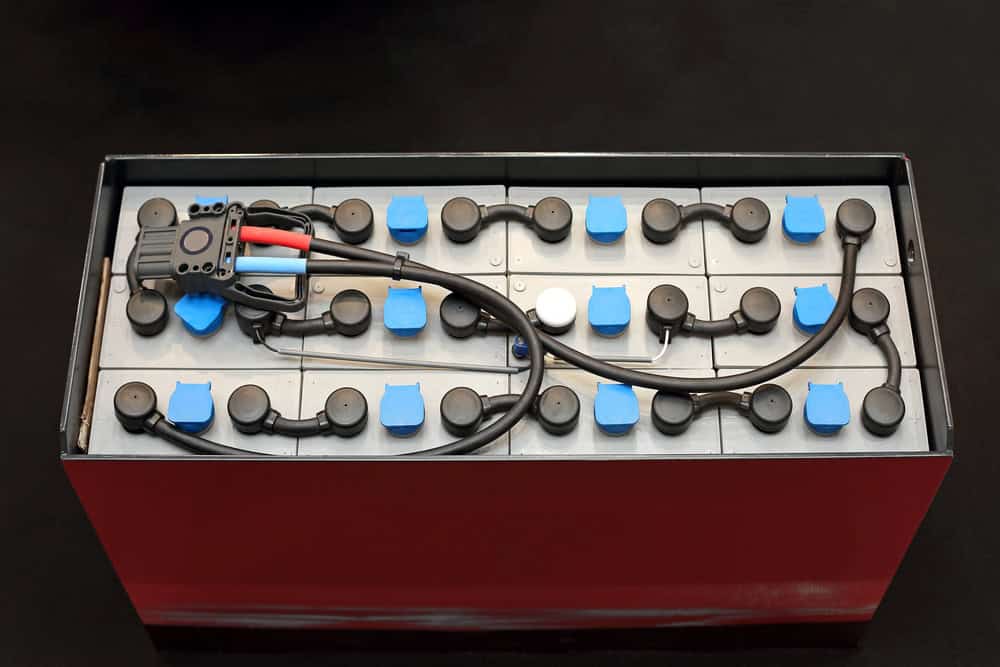
The battery connector is the key link between the battery and the forklift or charger. It makes sure the smooth transfer of power. There are two primary types of connectors: Flat Style and Euro DIN. Flat Style connectors are commonly used in North America, while Euro DIN connectors are prevalent in Europe.

Modern connectors, such as Moulded REMA Connectors (MRC), integrate cables and terminals into a single molded piece, offering durability and ease of installation.

Battery Connector Harness

The connector harness is an assembly that includes the battery connector, the cables, and the connections to the positive and negative terminals. It is designed to guarantee a secure and efficient power transfer.

These components are often molded together for forklifts equipped with modern harness systems, reducing wear and tear while improving safety and reliability. Confirm compatibility with your existing setup to avoid operational disruptions when sourcing replacement parts.

Forklift Battery Cells

Each forklift battery comprises multiple cells, each producing 2 volts. For instance, a 24-volt battery contains 12 cells, while a 48-volt battery has 24. These cells are connected in series using intercell connectors to achieve the desired voltage.

One faulty cell can disrupt the entire system. Thus, it’s mandatory to monitor and replace individual cells as needed. Regular inspection of cells makes sure the forklift battery operates at peak efficiency.

Intercell Connectors and Bolts

Among all forklift battery parts, intercell connectors join individual battery cells. They enable the flow of electricity throughout the system. In the U.S., these connectors are often rigid and welded. They come with durability. In Europe, flexible, bolted connectors are more common, allowing for easier replacements without specialized tools.

Choosing the right type of connector is necessary for maintaining consistent performance and simplifying maintenance tasks.

Battery Tray or Tank

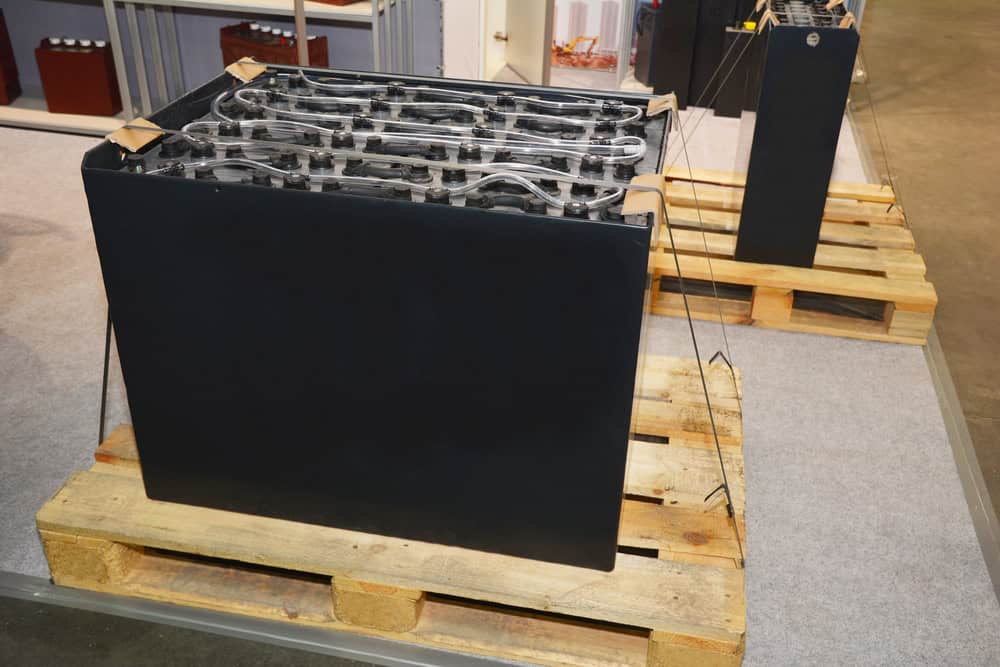
The battery tray or tank houses the cells and provides structural support. Most trays are made of metal coated with acid-resistant paint to prevent corrosion. In the U.S., trays often include drain holes for removing water accumulated during cleaning or maintenance. Meanwhile, European trays usually lack these holes and require suction pumps for liquid removal.

Packing Material

Packing material is placed between the cells and the tray to keep the cells securely in position. It prevents movement during operation. This reduces the risk of damage to cells, connectors, or the tray. Proper packing material enhances the overall durability of the forklift battery, especially during heavy-duty applications or frequent usage.

Battery Electrolyte Monitor

Modern forklift batteries often include an electrolyte monitor, a valuable tool for maintaining water levels within the cells. These monitors range from basic models with a single LED indicator to advanced systems with multiple indicators and alarms. Regularly topping off the battery with distilled water when indicated can prevent dry-out conditions, extending the battery’s life.

Vent Cap or Battery Filling System

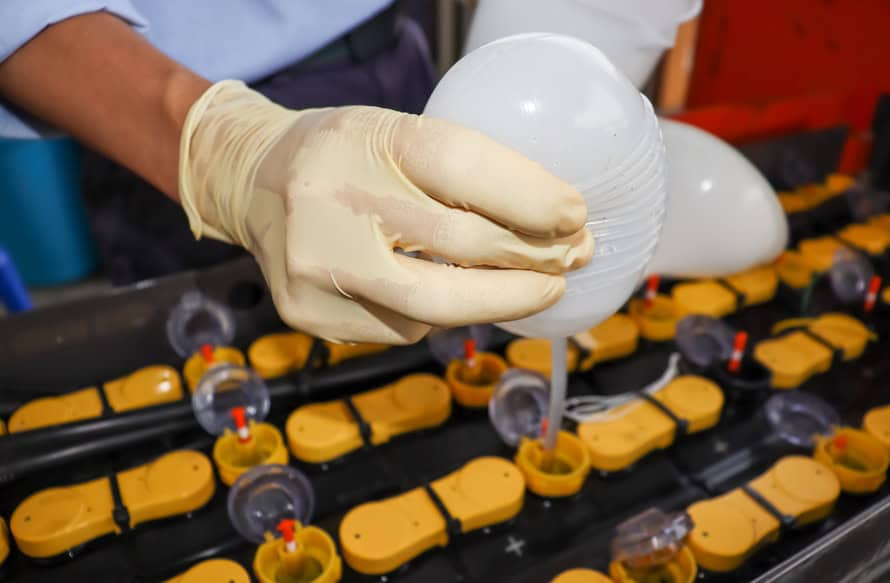
Vent caps are important for replenishing water lost during operation and charging. They can be simple caps for individual cells or part of an integrated battery filling system. These systems allow for simultaneous water addition across all cells, saving time and reducing the risk of operator error. Maintaining proper water levels is critical for preventing damage to the internal components.

Battery Insulation

Battery insulation is a protective layer often installed around the cells within the tray. It helps regulate the battery’s temperature during operation and charging, especially in extreme heat or cold environments.

Proper insulation minimizes the risk of overheating, prevents freezing in cold storage facilities, and enhances overall battery efficiency. Making sure that insulation is intact and compatible with your forklift battery type is critical for optimal performance.

Why Understanding These Parts Matters

Recognizing the function of forklift battery parts helps in multiple ways. It enables you to identify issues early, reduces downtime, and makes sure you can source the correct replacement parts. Whether you are using new forklift batteries or refurbished ones, knowing these details can optimize their performance and extend their lifespan.

Green Power Forklift Batteries offers a range of new forklift batteries backed by industry-leading warranties and excellent customer service. We also provide competitively priced refurbished batteries that meet rigorous quality standards.

Contact us today to explore your options!

What Does A Forklift Battery Changer Do?

What Does A Forklift Battery Changer Do?

In warehouses and industrial spaces, keeping forklifts powered and ready to go is a top priority. But what happens when a forklift battery runs out of juice in the middle of a busy shift? Here is where a forklift battery changer comes in.

A forklift battery changer makes swapping heavy batteries quick, safe, and efficient. Far from being just a routine task, using this tool can transform the way your operations flow, keeping your equipment in motion and productivity at its peak. But what exactly does it do, and why is it so important? Let us find out.

Understanding the Function of a Forklift Battery Changer

A forklift battery changer is a mechanical device designed to safely and efficiently remove and replace batteries in electric forklifts. Given the substantial weight and size of industrial batteries and chargers, manually changing batteries can be labor-intensive and hazardous. Battery changers simplify this process, reducing physical strain and the risk of injuries.

The Mechanics of Operation

They come in various designs, each tailored to different warehouse environments and operational scales. From simple manual hoists to sophisticated automated systems, these changers use a combination of hydraulics, electrical controls, and sometimes robotics to slide batteries in and out of the forklift’s battery compartment.

This process ensures minimal disruption to the workflow and allows forklifts to return to service with little delay. The battery changer is designed to handle the weight and size of industrial batteries. Below is an explanation of how the process typically works.

Positioning the Forklift

The process begins when a forklift with a low or depleted battery is driven to a battery change station. The forklift is aligned with the battery changer, ensuring that the mechanical arm can easily access the battery compartment.

Battery Removal

Once the forklift is positioned, the battery changer’s mechanical arm or extractor is used to grip the battery securely. These changers are equipped with precision controls to ensure the battery is lifted out of the forklift smoothly, without causing damage to the forklift or the battery itself.

Replacing the Battery

After the old battery is removed, the changer then positions a fully charged battery and carefully places it into the forklift. The entire process is quick, efficient, and, most importantly, safe for both the equipment and the operator.

Returning to Operation

With the new battery securely installed, the forklift is ready to return to operation. The entire battery change process, which could take significantly longer if done manually, can be completed in just a few minutes using a forklift battery changer.

Battery Handling, Charging and Storage

After the battery is removed, it is transported to a charging area where it can be recharged for future use. The battery changer often includes a storage system for organizing and keeping charged batteries ready for replacement.

A critical aspect of maintaining industrial batteries is charging them correctly. Overcharging or undercharging can lead to reduced battery performance and a shorter operational life. These tools make it easier to swap out batteries at the right time, ensuring that each battery is used effectively and is charged under optimal conditions.

These changers also help manage the forklift battery charging schedule for fleets, ensuring batteries are fully charged and ready for the next shift. This maximizes the efficiency of the forklift fleet and helps maintain the health of the batteries.

The Benefits of Using a Forklift Battery Changer

Using a forklift battery changer offers several benefits to businesses, including:

  • Increased Efficiency: Battery changers streamline the process of swapping out forklift batteries, reducing downtime and ensuring that forklifts are always ready for use.
  • Enhanced Safety: These devices handle the heavy lifting, reducing the risk of injury to workers and minimizing the chances of damaging batteries or forklifts.
  • Cost Savings: By using a forklift battery changer, businesses can ensure their batteries are properly maintained, extending their lifespan and reducing the need for frequent replacements or repairs.
  • Improved Battery Life: Regular and controlled battery swaps allow for better battery management, which leads to longer battery life and reduced maintenance costs.

Green Power Forklift Batteries: Powering Your Business Efficiently

Green Power Forklift Batteries specializes in providing top-tier solutions for your forklift power needs. With over two decades of expertise, we excel in offering new forklift batteries that meet the highest standards of performance and reliability. Additionally, our refurbished forklift batteries present an eco-friendly alternative, delivering optimized functionality at a fraction of the cost.

Invest in Efficiency and Safety

Forklift battery changers are an essential tool for businesses that rely on electric forklifts. Contact us today to find out how our products can enhance your material handling operations and help you achieve seamless productivity. Our expert team will help you find the perfect solution for your forklift fleet, ensuring maximum efficiency and cost savings.

Replacing A Forklift Battery: How Much Does It Cost?

Replacing A Forklift Battery: How Much Does It Cost?

If your forklift is not running as efficiently as it should, it might be time to consider a battery replacement. But how much does a forklift battery replacement cost?

This is a common question for business owners and fleet managers who rely on forklifts to keep their operations running smoothly. Replacing a forklift battery is a significant investment, so understanding the costs involved and what affects them is key to making an informed decision.

In this post, we will break down the various factors that influence forklift battery replacement cost, give you an idea of what to expect when budgeting for a new battery, and discuss how to make the most cost-effective choice for your operation.

What Influences Forklift Battery Replacement Cost?

Several key factors affect the cost of replacing a forklift battery. Understanding these elements can help you better plan for the expense and ensure you get the most value for your investment.

Battery Type

The type of forklift battery you choose is one of the biggest factors affecting the cost. The two most common types of forklift batteries are lead-acid and lithium-ion. Each has its own pricing structure, benefits, and drawbacks.

  • Lead-Acid Batteries: These are the most commonly used forklift batteries. They are less expensive upfront compared to lithium-ion batteries but require regular maintenance, such as watering and cleaning.
  • Lithium-Ion Batteries: These are more expensive than lead-acid batteries but offer several advantages, including faster charging times, longer lifespan, and no need for maintenance. While the initial cost is higher, the long-term savings in maintenance and efficiency often make lithium-ion batteries a cost-effective choice for high-demand operations.

Battery Size and Capacity

The size and capacity of the battery you need also significantly influence the cost. Larger forklifts or those that run for long hours require higher-capacity batteries, which come with a higher price tag. The capacity is measured in ampere-hours (Ah), and the more power your forklift needs, the more expensive the battery will be. The larger and more powerful the battery, the higher the forklift battery replacement cost.

Brand and Quality

The brand and quality of the battery you choose will also impact the cost. Premium brands that offer higher-quality batteries may come at a higher price, but they typically provide longer lifespans and better performance, reducing the need for frequent replacements.

Opting for a cheaper battery might save money upfront, but it could end up costing more in the long run if it needs to be replaced more often or if it leads to operational inefficiencies.

New Vs. Refurbished Batteries

When replacing a forklift battery, you can choose between buying a brand-new battery or opting for a refurbished one. New forklift batteries typically come with a higher price tag but offer the advantage of being factory-fresh, with a longer expected lifespan and warranties.

On the other hand, refurbished forklift batteries are more affordable and can provide a cost-effective solution, especially for businesses on a tight budget. Refurbished batteries have been reconditioned to restore their capacity and can offer reliable performance at a fraction of the cost of new ones.

Labor Costs

In addition to the cost of the battery itself, you will also need to factor in the labor costs associated with the replacement. If your company does not have an in-house team to handle the replacement, you may need to hire professionals for the installation.

The cost of labor can vary depending on your location, the complexity of the installation, and whether any additional services (such as battery disposal or testing) are required.

Shipping and Handling Fees

Forklift batteries are heavy, which means shipping and handling fees can be substantial, especially if you are ordering a large or high-capacity battery. It is essential to include these fees in your overall budget when calculating the forklift battery replacement cost. Some suppliers may offer free shipping, while others charge based on weight or distance, so it is worth exploring your options.

How to Extend the Life of Your Forklift Battery

Forklift batteries are an expensive investment, so it makes sense to get the most life out of them before considering a replacement. By adopting a few best practices, you can extend the lifespan of your battery and delay the need for a costly replacement. Below are some tips on how to prolong your forklift battery’s life and avoid frequent replacements.

Proper Charging Practices

Charging your forklift battery correctly can greatly affect its lifespan. For lead-acid batteries, it is important to charge the battery fully but avoid overcharging, as this can cause heat damage and reduce capacity. On the other hand, undercharging a battery regularly can also lead to sulfation, which reduces its ability to hold a charge.

Establishing a proper charging routine such as only charging when the battery is between 20-30% charge and using an appropriate charger can make a big difference in how long the battery lasts.

Avoid Opportunity Charging

For lead-acid batteries, opportunity charging – charging the battery during short breaks between shifts – can seem convenient but can damage the battery’s cells over time. Each charging cycle contributes to battery wear, and frequent, short charging sessions shorten the overall lifespan. It is better to allow the battery to discharge to its recommended level before charging it fully.

Temperature Control

Forklift batteries perform best in moderate temperatures. Excessive heat can cause the battery’s water levels to evaporate more quickly, leading to poor performance, while extreme cold can reduce the battery’s capacity. Storing your forklifts and batteries in a temperature-controlled environment can prevent extreme wear and tear, saving you from premature replacements.

Routine Inspections

Scheduling routine inspections for your forklift battery can help detect small problems before they become costly issues. Checking for signs of corrosion, cracks in the casing, and loose or frayed connectors can help prevent damage to the battery and other electrical components of the forklift.

Catching these issues early through regular inspections helps you address them before they impact performance or necessitate a battery replacement.

Cost Vs. Value: When Should You Replace a Forklift Battery?

At some point, no amount of maintenance can save an old forklift battery from replacement. But knowing when it is time to replace your forklift battery can be tricky. While it may be tempting to wait until the battery fails entirely, operating with a weakened battery can slow down productivity, increase downtime, and even damage the forklift’s electrical system.

To determine whether it is time for a battery replacement, consider the following:

  • Diminished Run Time: If your forklift battery is holding less of a charge and needs to be recharged more frequently than before, it’s a sign the battery is reaching the end of its life.
  • Increased Maintenance Costs: If you find yourself spending more time and money on maintaining your current battery, it may be more cost-effective to replace it.
  • Performance Issues: If the forklift starts running sluggishly or cannot complete a full shift without needing a recharge, the battery may no longer be able to provide the required power.

While the initial forklift battery replacement cost can seem steep, the increased efficiency and reduced maintenance costs that come with a new or refurbished battery can offer significant long-term savings. Knowing the best time to replace a battery will minimize the chances of unnecessary downtime and keep your forklifts productive.

Reducing the Cost of Forklift Battery Replacements

Replacing a forklift battery can be costly, but there are several ways you can minimize the expense and extend the life of your current batteries.

Consider Refurbished Batteries

As mentioned earlier, refurbished batteries offer a more affordable alternative to new ones. If you are looking to save money on your forklift battery replacement, consider buying a refurbished battery from a trusted supplier. Green Power Forklift Batteries provide refurbished batteries that undergo a rigorous reconditioning process to restore their performance, making them a reliable and cost-effective option for many businesses.

Plan for Bulk Purchases

If you operate a large fleet of forklifts, consider negotiating bulk pricing with your supplier. Many suppliers offer discounts for large orders, which can reduce the per-unit cost of your batteries. Planning for bulk purchases can help you secure lower prices and ensure you have a supply of backup batteries when needed.

Hire Qualified Technicians for Battery Replacement

Battery technicians and service specialists play an important role in the forklift battery replacement process. These professionals are trained to safely handle and install industrial batteries, ensuring that the replacement is done correctly and efficiently.

By hiring qualified technicians, you can avoid costly mistakes during the replacement process and ensure that your new battery is installed properly for optimal performance.

Planning for a Cost-Effective Forklift Battery Replacement

Replacing a forklift battery is a significant investment, but with the right information, you can make a decision that balances cost with performance. By considering factors such as battery type, size, and maintenance needs, you can choose the best solution for your operation and minimize long-term expenses.

Green Power Forklift Batteries offers a range of forklift battery solutions, including both new and refurbished forklift batteries, to meet the diverse needs of our clients. Our expert team is here to help you find the best solution for your forklift battery replacement needs, whether you are looking for new batteries or cost-effective refurbished options. Reach out today to explore our range of battery options and find the perfect fit for your forklift fleet.

How To Choose A Forklift Battery Charging Location

How To Choose A Forklift Battery Charging Location

Having an efficient and well-located forklift battery charging station can play a significant role in maintaining smooth operations in any warehouse or industrial facility. Properly managing the charging of forklift batteries can help reduce downtime, enhance safety, and prolong the lifespan of your batteries. But how do you choose the right location for this critical setup?

In this blog post, we will guide you through the important factors to consider when selecting a location for your battery charging station. With these tips, you can strike the balance between efficiency and compliance with industry standards.

The Importance of Location for a Forklift Battery Charging Station

A battery charging station is a designated area where forklift batteries are recharged between shifts or during downtime. Choosing the correct location for this station can make a significant difference in both the operational efficiency and safety of your facility.

The right charging locations ensure that your forklift batteries are charged in a controlled, safe environment that minimizes the risk of accidents, equipment damage, or power interruptions. With the increased reliance on electric forklifts for material handling, a well-designed and strategically located charging station can greatly enhance your warehouse’s performance.

Key Factors to Consider When Choosing a Forklift Battery Charging Location

Choosing the ideal location for your charging station requires thoughtful planning and attention to detail. Here are some of the most important factors to consider.

Safety and Compliance

Safety is the number one priority when choosing any battery charging location. Forklift batteries, particularly lead-acid batteries, contain hazardous materials such as sulfuric acid and can emit hydrogen gas during the charging process, which poses a fire risk. Therefore, the charging area must adhere to strict safety regulations to minimize these risks.

Some safety factors to consider include:

  • Proper Ventilation: To prevent the buildup of hydrogen gas, it is important to choose a location with adequate ventilation. This is especially important in enclosed spaces, as hydrogen gas can be highly explosive if it accumulates.
  • Fire Prevention: The charging area should be equipped with fire extinguishers and other fire suppression systems, as required by local regulations.
  • Emergency Procedures: Ensure that emergency shutdown procedures are clearly displayed and that all personnel are trained to respond in case of a fire or spill.
  • Protective Equipment: The charging area should be equipped with personal protective equipment (PPE) such as gloves and goggles, as well as eyewash stations in case of exposure to battery chemicals.

Always consult industry standards and local regulations when planning your charging station, and ensure your facility complies with OSHA and NFPA guidelines.

Ventilation and Temperature Control

When choosing the location for a forklift battery charging station, it is necessary to consider a place with proper ventilation. During the charging process, batteries can emit gases like hydrogen, which, if not properly vented, can become dangerous. Choosing a location with excellent airflow ensures that these gases dissipate safely thus reducing the risk of explosions.

In addition to ventilation, temperature control plays an important role in maintaining battery performance. Excessive heat can damage forklift batteries or slow down the charging process, so it is essential to select a location where temperatures remain stable.

Avoid areas prone to extreme heat, such as spaces near large machinery or direct sunlight. Ideally, the charging station should be situated in a cool, dry place to prolong the lifespan of your batteries.

Accessibility and Proximity to Operations

Your forklift battery charging station should be easily accessible to all forklifts that require charging. This means choosing a location that minimizes downtime and allows forklifts to get back to work as soon as possible.

Consider placing the charging station near the main work floor but without causing congestion. The station should be close enough to the operations area to avoid long trips back and forth but still in a separate zone to ensure safety.

Also, ensure that the pathway to the charging station is clear of obstacles and that forklifts can approach the station smoothly without disrupting other workflows.

Electrical Infrastructure

The electrical infrastructure of your facility is another critical factor in choosing the location of your charging station. Forklift batteries require high-voltage power supplies, and charging multiple batteries simultaneously can put a strain on your electrical system.

Before selecting a location, consult with a certified electrician to ensure your facility’s electrical grid can support the charging needs of your forklifts. Consulting with forklift battery manufacturers can also help you select the appropriate chargers and electrical setups based on the specific type of batteries you are using.

You will need to install dedicated circuits for the charging station, as well as voltage regulators or power conditioners if necessary, to avoid overloading the system. Additionally, your charging station should be equipped with emergency shutdown systems and fail-safes to prevent electrical fires.

Space for Battery Storage and Maintenance

Another consideration when choosing a charging station location is space for battery storage and maintenance. In many facilities, extra forklift batteries need to be stored while not in use, so the charging area should provide enough room to safely store fully charged batteries and swap them out as needed.

Additionally, forklift batteries often require routine maintenance, such as cleaning, watering, and testing. Your charging station should have sufficient space and proper equipment to carry out these tasks efficiently without interfering with the charging process.

Traffic Flow and Safety

The location of your forklift battery charging station should not interfere with the overall traffic flow of your facility. It is essential to keep the charging area separate from high-traffic zones where forklifts and other vehicles are constantly moving. This helps reduce the risk of accidents, injuries, or equipment damage.

Create designated walkways and signage to ensure that employees know where the charging area is located, and use barriers or fencing to prevent unauthorized access. This ensures that the charging process remains controlled and that only trained personnel have access to the area.

Environmental Impact

If sustainability is a priority for your business, you may want to consider the environmental impact of your charging station location. Choosing a location that optimizes energy efficiency can help reduce your overall carbon footprint.

Additionally, selecting eco-friendly charging equipment, such as energy-efficient chargers, can help you reduce energy consumption while charging forklift batteries.

Space for Future Expansion

As your business grows, so may your need for more forklift battery chargers and additional charging stations. When selecting a location, consider your future growth and leave enough room for potential expansion. Having extra space for additional chargers will allow you to scale your charging capabilities as your operations grow, preventing bottlenecks in the charging process.

Empowering Your Fleet with Reliable Battery Solutions

When planning your forklift battery charging station, it is always a good idea to reach out to nearby experts who can provide guidance and service for your equipment.

Green Power Forklift Batteries provides robust battery solutions to enhance your operational efficiency. We offer both new forklift batteries designed for peak performance and refurbished forklift batteries that have been meticulously restored to meet stringent quality standards.

Our new forklift batteries are built to provide reliable and long-lasting power, ideal for businesses requiring uninterrupted service and maximum productivity. For those seeking value without compromising on quality, our refurbished forklift batteries offer a cost-effective alternative, ensuring your fleet remains powered with a lower environmental footprint.

Plan for Efficiency and Safety

Choosing the right location for your charging station can play a role in the smooth and safe functioning of your warehouse. From ensuring safety compliance and proper ventilation to planning for future growth, taking the time to select the best possible location will improve your facility’s efficiency and reduce the risks associated with charging industrial batteries.

Ready to enhance your forklift battery charging operations? Contact us today for expert advice on setting up the perfect charging station and ensuring your forklifts are always powered up and ready to go.

A General Guide To Forklift Battery Reconditioning

A General Guide To Forklift Battery Reconditioning

Forklift battery reconditioning is a process that restores used lead-acid batteries to a reliable, measurable standard of performance — extending their service life and reducing the cost of keeping a forklift fleet running. Rather than replacing a battery every time performance declines, businesses can opt for refurbished forklift batteries instead. This guide explains what forklift battery reconditioning actually involves and walks through the full 18-step process used by Green Power Forklift Batteries.

What is Forklift Battery Reconditioning?

Forklift battery reconditioning typically involves a series of steps to clean, repair, and rejuvenate the battery cells. Reconditioning can significantly improve a battery’s capacity and efficiency, making it almost as good as new.

Reconditioning is most commonly performed on lead-acid batteries, which are widely used in forklifts. This process not only saves money but also has environmental benefits, as it reduces the need for new batteries and minimizes waste.

Green Power Forklift Batteries’ 18-Step Reconditioning Process

Phase 1: Initial Inspection

    Step 1: Visual Inspection

    The process begins with a thorough visual inspection to identify the battery’s most obvious problems. Technicians check for symptoms of acid loss, automatic watering system condition, corrosion, inter-cell (IC) connector problems, signs of past explosions, and physical damage.

    Step 2: Wash and Neutralization

    The battery is washed with water and acid-neutralizing chemicals. This provides clean and safe working conditions and eliminates any “creep currents” that could interfere with accurate diagnosis.

    Step 3: IC Resistance Monitoring

    High resistance in a battery causes voltage drops and excessive heat. Technicians locate and correct high-resistance components throughout the battery. Common causes include loose or corroded IC connectors, sulfated connections, bad welds, and damaged cables.

    Phase 2: Diagnosis

      Step 4: Pre-Diagnosis Cycling

      Two high-current short cycles are applied to remove new sulfate crystals, leaving only the larger and more stubborn deposits. This step is especially important for batteries that have been out of service for an extended period.

      Step 5: Diagnosis Load Test

      Technicians measure the open-circuit voltage (OCV) and specific gravity (SPGR) of all cells when the battery is fully charged, then run a full load test to measure the battery’s amp-hour (Ah) capacity and identify any underperforming cells.

      Phase 3: Equalization

        Step 6: Slow/Low Constant Charge Equalization

        If the load test reveals differences in cell capacity, a low-current equalization charge is applied to align cells.

        Step 7: Quick Load Test

        A shorter load test is run to evaluate whether the equalization charge was sufficient or if additional intervention is needed.

        Step 8: Cell Bridging

        If a small number of cells are too strong relative to the rest, those cells are disconnected from the circuit and the remaining battery is charged without them.

        Step 9: Single Cell Equalization

        If a small number of cells are too weak, those cells are isolated and charged separately in their own circuit to bring them up to an acceptable level.

        Step 10: Cell Change (If Necessary)

        If the capacity difference between cells remains too large after all equalization steps, a cell replacement is performed. This is the only path forward when equalization alone cannot resolve the imbalance.

        Phase 4: Capacity Maximization

          Step 11: High-Current Pulse Desulfation

          This is the most critical step in the capacity maximization phase. High-current pulses break down even the most stubborn sulfate crystals and return them to their active state as sulfuric acid. The plates are also cleaned of other high-resistance contaminants. This step takes 72 hours.

          Step 12: Max Charge

          The battery is charged with constant current to its maximum capacity, restoring any lead sulfate particles still drifting in the electrolyte to their active state.

          Step 13: Load Test

          A load test compares SPGR readings with voltage under load to identify which cells, if any, require an acid adjustment.

          Step 14: Acid Adjustment

          Sulfuric acid is added to specific cells as needed to even out cell voltages under load.

          Step 15: Equalization Charge

          An additional equalization charge is applied to balance cell capacities and fully mix any acid that was added into the electrolyte.

          Step 16: Final Capacity Load Test

          One last load test confirms that the battery has reached an acceptable capacity and that all cells are performing evenly before the battery moves to the finish phase.

          Phase 5: Finish

            Step 17: Final Charge

            The battery is delivered fully charged. A charge immediately before putting the battery into service is still recommended to ensure maximum performance from the first use.

            Step 18: Paint and Final Preparation

            The battery casing is sanded, and all corrosion is removed. The battery is then painted with anti-corrosive and antioxidant paint. Once the paint dries, stickers are applied, the battery is wrapped in protective plastic film, secured to a pallet, and prepared for shipping.

            Benefits of Reconditioned Batteries

            Reconditioned batteries offer several advantages:

            • Cost Savings:
              Reconditioned batteries are more affordable than new ones, providing a cost-effective solution for businesses.
            • Environmental Impact:
              By extending the life of existing batteries, reconditioning reduces waste and the demand for new battery production, which is resource-intensive.
            • Performance and Reliability:
              Properly reconditioned batteries can deliver performance close to new, ensuring that forklifts operate efficiently without the high cost of replacement batteries.

            Green Power Forklift Batteries’ Approach

            Green Power Forklift Batteries supplies reconditioned forklift batteries that have been processed through the full 18-step reconditioning process described above. Every battery is guaranteed to retain a minimum of 85% of its original rated capacity and comes with a standard 1-year warranty. Green Power does not offer reconditioning as a service — the reconditioned batteries available for sale are fully processed, tested, and ready to deploy.

            Whether you require new forklift batteries or refurbished batteries, we have the right products to keep your forklifts running smoothly. Contact us today to explore our selection of new and refurbished forklift batteries. 

            When Should You Add Water To A Forklift Battery?

            Maintaining your forklift battery is crucial for optimal performance, and one of the key aspects of that maintenance is guaranteeing proper water levels. Knowing when you should add water to a forklift battery not only extends its lifespan but also guarantees that your forklift runs efficiently.

            Frequency of Watering Forklift Batteries

            Watering a forklift battery is not something that should be done haphazardly. It’s important to follow a regular schedule to maintain optimal performance. For most daily-used forklifts, you should water the battery about once a week. This is sufficient for new batteries and those that are in good condition.

            For batteries that have been in use for an extended period or are refurbished, the water levels should be checked more frequently. In this case, it is recommended to check the battery after every five charges.

            Why Timing Matters: Always Water After Charging

            The timing of when you add water to the battery is just as critical as how often you do it. Always add water after the battery has been fully charged. Charging a forklift battery causes the electrolyte solution (a mixture of sulfuric acid and water) to heat up and expand.

            If you add water before charging, the fluid will likely expand during the charging process, causing it to overflow. This not only wastes water but can also lead to a loss of sulfuric acid, which is vital for the battery’s performance.

            How to Inspect Water Levels in a Forklift Battery

            Before adding water to the battery, you need to perform a visual inspection to determine whether the water level is low. Each battery cell should have enough fluid to cover the lead plates by about a half-inch to three-quarters of an inch. If the water level is lower than this, it’s time to top off the battery.

            For older or refurbished forklift batteries, frequent inspections are even more important as these batteries tend to lose water more quickly than new ones. By maintaining the right water levels, you make sure that the battery’s chemical reactions remain balanced, which in turn improves both the performance and the longevity of the battery.

            The Right Water and Methods for Filling Forklift Batteries

            When filling a forklift battery, always use clean, distilled water. Tap water should be avoided, as it contains minerals that can accumulate over time and damage the battery cells. Distilled water is free of impurities, making sure that your battery remains in optimal condition.

            There are several methods for watering a forklift battery:

            • Manual Filling: This involves using a watering gun or hose to fill each cell individually. While effective, it can be time-consuming, especially for larger batteries.
            • Automatic Watering Systems: These systems are designed to connect to each cell and fill them automatically to the correct level. This method minimizes the risk of overfilling and saves time, but needs to be connected to a power outlet.
            • Gravity Feed Systems: A large tank supplies water to each battery cell, often through a manual valve. This is the same as the automatic watering system but a simpler and equally effective solution for operations that do not have access to a power supply.

            Green Power Forklift Batteries is committed to delivering top-quality batteries and expert advice for your material handling needs. Whether you’re looking for new forklift batteries or cost-effective refurbished options, we can help you find the right solution. Our exceptional customer service and industry-leading warranties make us the perfect partner for keeping your forklifts running smoothly.

            What Is A Forklift Battery Filling System Used For?

            Forklift battery filling systems are critical for the proper maintenance of lead-acid batteries, making sure that these batteries function efficiently and last as long as possible. Maintaining the correct water levels in a battery is a key part of forklift battery maintenance, as it prevents damage to the battery cells and promotes optimal performance. A reliable filling system can save time, improve safety, and enhance the overall lifespan of the battery.

            Purpose of a Forklift Battery Filling System

            The primary purpose of a forklift battery filling system is to make sure that each battery cell is adequately filled with water, which is essential for the battery’s operation. Lead-acid forklift batteries rely on a mixture of sulfuric acid and water to create the necessary electrochemical reactions that power the forklift.

            As the battery discharges and recharges, water evaporates and needs to be replenished regularly to keep the electrolyte levels balanced.

            • Preventing Damage: One of the main functions of these filling systems is to prevent the condition known as “dry cell.” If water levels fall too low, the lead plates inside the battery can be exposed to air, leading to oxidation and a permanent reduction in capacity. Making sure the battery cells are properly filled helps avoid this irreversible damage.
            • Improving Efficiency: A modern forklift battery filling system makes it easier and faster to refill multiple cells. Advanced systems, such as single-point watering systems, allow operators to fill all cells simultaneously with a single connection, reducing the time spent on battery maintenance and lowering the risk of overfilling or underfilling cells.

            How Forklift Battery Filling Systems Enhance Safety

            Battery maintenance can pose certain risks due to the acidic nature of lead-acid batteries. Forklift battery filling systems help mitigate these risks by reducing the need for manual handling of hazardous materials.

            • Minimizing Acid Exposure: By automating the process of refilling water, operators are less likely to come into contact with sulfuric acid. It minimizes the risk of burns or other injuries caused by accidental exposure to the battery’s contents.
            • Preventing Overflows: When filling a battery manually, there’s always the chance of overfilling, which can lead to acid spills during charging. Battery filling systems are designed to control the water levels carefully, making sure the electrolyte remains at a safe level while preventing hazardous overflows.

            Extending the Lifespan of Your Forklift Battery

            Regularly maintaining the water levels in your battery can significantly extend its lifespan. Batteries that are properly filled with water after every charge maintain the correct balance of electrolyte and water, leading to more efficient chemical reactions within the cells. This can result in a longer operational life for your battery, whether you’re using new forklift batteries or refurbished forklift batteries.

            • Optimizing Electrolyte Levels: Over time, water in the battery evaporates during the charging process. By regularly filling the battery at the right time—typically after charging—you help maintain optimal electrolyte levels, which can extend the battery’s usable life.
            • Improved Performance: Properly maintained batteries with balanced electrolyte levels perform better, providing more consistent power output and reducing the risk of sudden breakdowns. It makes forklift battery filling systems an important investment for businesses that rely heavily on material handling equipment.

            Types of Forklift Battery Filling Systems

            There are different types of forklift battery filling systems available, each designed to suit various operational needs and facility sizes.

            Single-Point Watering Systems

            These systems allow for easy and efficient filling by connecting all battery cells to a single point. Operators can fill multiple cells simultaneously, saving both time and effort. This type of system is ideal for large operations where many batteries need regular maintenance.

            Mobile Watering Tanks

            These systems are portable and can carry large volumes of water, making it easier to fill batteries in various locations within a facility. Mobile tanks can hold up to 330 gallons, allowing for greater flexibility and convenience when servicing batteries across a wide area.

            Automated Solutions

            More advanced systems can be integrated with battery management software to automate watering schedules and monitor battery health. These solutions optimize maintenance routines and reduce the need for manual oversight, guaranteeing batteries are always properly filled without the need for constant supervision.

            Green Power Forklift Batteries understands the importance of maintaining your forklift batteries for peak performance. Looking for new forklift batteries or refurbished forklift batteries? Our team is here to help you find the right solutions to keep your equipment running smoothly. Contact us today to learn more about our products and how we can support your business with reliable and cost-effective battery options!

            Understanding Forklift Battery Sizes

            Choosing the correct forklift battery size is crucial for the safe and efficient operation of your equipment. The right battery brings adequate power and guarantees proper balance and performance. Be it new forklift batteries or refurbished forklift batteries, getting the size right is essential to maintaining safety, optimizing power delivery, and extending the life of your forklift. In this guide, we will explore the different types of forklift batteries, key factors in battery sizing, and the role of proper battery maintenance.

            Types of Forklift Batteries

            Before diving into the specifics of forklift battery sizes, it’s important to understand the different types of forklift batteries available. Each type has unique characteristics that influence performance, maintenance, and sizing.

            Lead-Acid Batteries

            Lead-acid batteries are the most common type of forklift battery and have been used in the industry for decades. These batteries are composed of lead plates submerged in an electrolyte solution of sulfuric acid and water. The chemical reaction between the lead plates and the acid produces the electrical power needed to operate the forklift.

            Advantages

            • Cost-Effectiveness: Lead-acid batteries are generally less expensive than other types of forklift batteries, making them a cost-effective solution for many operations.
            • Proven Reliability: These batteries have a long track record of reliable performance under various operating conditions.
            • Widespread Availability: Because they are so common, lead-acid batteries are widely available in many sizes and configurations.

            However, lead-acid batteries require regular maintenance, including watering and periodic equalization charges, to maintain their performance. They typically last between 1,000 to 2,000 cycles, or approximately 5 to 7 years under standard operating conditions.

            Lithium-Ion Batteries

            Lithium-ion batteries are becoming increasingly popular in the material handling industry due to their numerous advantages over traditional lead-acid batteries. Unlike lead-acid batteries, lithium-ion batteries are sealed and do not require water maintenance. This eliminates the risk of leaks and acid spills, making them a more environmentally friendly and efficient option.

            Advantages

            • Faster Charging: Lithium-ion batteries charge faster than lead-acid batteries, reducing downtime between shifts.
            • Longer Life Span: With a lifespan of 2,000 to 3,000 cycles (about 7 to 10 years), lithium-ion batteries offer a longer operational life.
            • Lower Maintenance: Because they are sealed, lithium-ion batteries do not require water refills or equalization charges, which simplifies forklift battery maintenance.

            While lithium-ion batteries are more expensive upfront, their longer life span and reduced maintenance needs often make them a better long-term investment for high-demand operations.

            Gel Cell Batteries

            Gel cell batteries are a type of valve-regulated lead-acid (VRLA) battery, but instead of using liquid electrolyte, they contain a gel-like substance made by mixing sulfuric acid with silica. This gel solution allows the battery to function without needing to be refilled with water, making it a maintenance-free option.

            Advantages

            • Maintenance-Free: Unlike traditional lead-acid batteries, gel cell batteries don’t require watering, which simplifies forklift battery maintenance.
            • Sealed Design: The sealed nature of these batteries reduces the risk of acid leaks or spills, making them safer and more environmentally friendly.
            • Shorter Lifespan: Gel cell batteries tend to have a shorter lifespan than standard lead-acid batteries.

            These batteries are best suited for applications where a maintenance-free and spill-proof battery is preferred, such as in food and beverage industries or sensitive environments.

            Absorbed Glass Mat (AGM) Batteries

            AGM batteries are another type of VRLA battery that uses a fiberglass mat to absorb the electrolyte, preventing it from sloshing around. This design makes AGM batteries a leak-proof option, eliminating the need for regular watering and maintenance.

            Advantages

            • High Discharge Rates: AGM batteries can handle higher discharge rates, which makes them ideal for applications that require bursts of power.
            • Low Maintenance: Similar to gel cell batteries, AGM batteries are virtually maintenance-free and don’t require regular watering.
            • Faster Recharge: These batteries tend to recharge faster than traditional lead-acid batteries, increasing operational efficiency.

            AGM batteries are well-suited for forklifts that operate in sensitive environments where leakage prevention and maintenance-free operation are critical.

            Thin Plate Pure Lead (TPPL) Batteries

            TPPL batteries are a variation of AGM batteries but feature thinner lead plates, which increases the surface area available for chemical reactions. This results in higher power output and greater efficiency.

            Advantages

            • Fast Charging: TPPL batteries are capable of ultra-fast charging, reducing downtime and increasing productivity in high-demand environments.
            • Higher Energy Density: With more surface area due to the thinner plates, these batteries bring higher energy density, bringing more power in a smaller, lighter battery.
            • Longer Cycle Life: TPPL batteries tend to have a longer lifespan than standard lead-acid batteries, making them a durable option for intensive operations.

            TPPL batteries are ideal for operations where high energy demands and fast turnaround times are critical, such as in logistics or high-capacity warehouses.

            Nickel-Iron (NiFe) Batteries

            Nickel-iron (NiFe) batteries are known for their durability and ability to withstand harsh conditions. Originally developed for industrial applications, these batteries use nickel oxide as the positive electrode and iron as the negative electrode, with an electrolyte of potassium hydroxide.

            Advantages

            • Extremely Durable: NiFe batteries can last for decades with proper maintenance, making them a highly durable option for long-term use.
            • Resistant to Overcharging: These batteries are less sensitive to overcharging and temperature fluctuations, which can make them a good fit for extreme environments.
            • High Tolerance for Abuse: NiFe batteries can withstand deep discharges, overcharging, and even abuse without significant degradation in performance.

            Though NiFe batteries are not as commonly used in modern forklifts, they are well-suited for heavy-duty or extreme environmental conditions where longevity and durability are paramount.

            Zinc-Air Batteries

            Zinc-air batteries are a developing technology that offers a promising alternative for electric vehicles, including forklifts. These batteries use zinc and oxygen from the air as the primary reactants, which gives them a high energy density.

            Advantages

            • High Energy Density: Zinc-air batteries have one of the highest energy densities among battery technologies, delivering more power in a lighter package.
            • Environmentally Friendly: These batteries use widely available and non-toxic materials, making them an eco-friendly option.
            • Potential for Longer Range: Due to their high energy density, zinc-air batteries can potentially bring a longer operational range for electric forklifts, reducing the need for frequent recharging.

            While still in the development phase for industrial use, zinc-air batteries represent a future-forward option for companies looking to improve energy efficiency and reduce environmental impact.

            Key Factors in Battery Sizing

            When selecting the correct forklift battery size, there are several critical factors to consider. These include voltage, ampere-hour (Ah) rating, physical dimensions, and weight.

            Voltage Options

            Forklift batteries come in a range of voltage ratings, each suited to specific types of equipment. The voltage of the battery must match the requirements of the forklift to avoid damage to the machine’s electrical system.

            • 24V: Suitable for smaller electric lift equipment such as walkie-pallet jacks and low-capacity forklifts. These batteries are ideal for lighter-duty tasks that don’t require significant power.
            • 36V: Used for mid-sized equipment like narrow aisle forklifts, these batteries provide more power than 24V batteries and are suitable for moderate workloads.
            • 48V: The most common voltage for larger counterbalanced forklifts, 48V batteries offer the power needed for more intensive tasks in industrial environments.
            • 80V: Designed for heavy-duty applications, 80V batteries give the high power required for large forklifts used in heavy material handling operations.

            Selecting the appropriate voltage makes sure that the forklift operates at its full potential without risking damage to the internal components.

            Ampere-Hour (Ah) Rating

            The ampere-hour (Ah) rating of a forklift battery indicates its capacity, or how much energy the battery can deliver over time. Batteries with a higher Ah rating have a larger capacity, allowing for longer run times between charges.

            When selecting a battery, it’s necessary to choose one with the highest Ah rating that fits within the forklift’s voltage requirements. This makes sure that the forklift can operate for extended periods without frequent recharging, which is especially critical in high-demand environments.

            For example, if your operations require the forklift to be used for several hours at a time, choosing a battery with a high Ah rating will help maintain productivity by minimizing downtime for recharging.

            Physical Dimensions

            The physical size of the battery is another key consideration. Forklift batteries come in a range of dimensions, and it’s crucial to select a battery that fits properly within the forklift’s battery compartment. A battery that is too large may not fit, while a battery that is too small could shift during operation, posing safety risks and operational inefficiencies.

            Before purchasing a new forklift battery or refurbished forklift battery, measure the dimensions of the battery compartment, including width, depth, and height, to guarantee the correct fit.

            Battery Weight

            The weight of the battery is crucial because it serves as a counterbalance for the forklift. Each forklift model has specific minimum and maximum weight requirements that must be met for safe operation. If the battery is too light, the forklift may become unstable, increasing the risk of tipping during operation. Conversely, an overweight battery can strain the forklift’s components and reduce the lifespan of the equipment.

            To maintain balance and safety, help the battery weight fall within the manufacturer’s recommended range. This will deliver the necessary counterbalance while bringing smooth and safe operation.

            Importance of Regular Forklift Battery Maintenance

            Regardless of the type or size of the forklift battery you choose, proper forklift battery maintenance is essential for maximizing its performance and longevity. Maintenance tasks include regularly checking water levels (for lead-acid batteries), inspecting for signs of damage, and making sure that the battery is charged and stored correctly.

            For lead-acid batteries, regular watering is key to prevent the electrolyte solution from becoming too concentrated. Without proper watering, the battery’s lead plates can become exposed, leading to sulfation and reduced capacity. It’s important to water the battery only after it has been fully charged to prevent overflows during the charging process.

            Lithium-ion batteries, on the other hand, require minimal maintenance. However, it’s still important to inspect them regularly for signs of wear and to follow the manufacturer’s guidelines for charging and usage.

            Choosing the Right Forklift Battery Size for Your Needs

            Selecting the correct forklift battery size is vital for maintaining safe and efficient operations. By considering factors such as voltage, Ah rating, physical dimensions, and battery weight, you can make sure that your forklift operates at peak performance. Whether you opt for a new forklift battery or a refurbished one, taking the time to select the right size will pay off in improved productivity, safety, and cost savings. Green Power Forklift Batteries offers a wide range of new forklift batteries and refurbished forklift batteries to meet your operational needs. Our team is dedicated to providing top-quality forklift battery products, along with exceptional customer service, to help you keep your forklifts running smoothly. With competitive prices, industry-leading warranties, and fast lead times, we’re here to support your business every step of the way.

            Understanding Forklift Battery Date Codes: A Guide

            Forklift batteries are the backbone of material handling operations, and knowing how to interpret a forklift battery date code is key for maintaining performance and safety. These codes bring critical information about the age of a battery, which directly impacts its reliability and the efficiency of your equipment. In this guide, we’ll explore how to read these codes, their significance, and the differences in lifespan between various types of batteries.

            Why Battery Date Codes Matter

            A forklift battery date code is more than just a series of numbers and letters. It’s valuable information that helps you understand when the battery was manufactured. This insight allows operators to track the battery’s age, making planning replacements easier and avoiding costly downtime.

            Over time, batteries lose their ability to hold a charge, and the older they get, the less reliable they become. By keeping an eye on the age of your battery, you can optimize its performance and increase the overall productivity of your equipment.

            How to Read Forklift Battery Date Codes

            Manufacturers use different formats for their date codes, making it important to know how to decipher the specific coding of your battery. Here’s how to interpret date codes from some of the most common brands:

            • Crown Batteries: Crown typically uses a format that includes a letter followed by a number. The letter represents the month (A for January, B for February, and so on), while the number stands for the year.
            • Deka Batteries: Deka batteries often display the year first, followed by a letter representing the month.
            • Trojan Batteries: Trojan uses a combination of letters and numbers where the first letter indicates the month, and the subsequent numbers represent the year.

            Forklift Battery Lifespan: Lead-Acid vs. Lithium-Ion

            Not all forklift batteries are created equal, and the lifespan of your battery will vary depending on its type. Two of the most commonly used batteries in forklifts are lead-acid and lithium-ion, each with distinct advantages and limitations.

            • Lead-Acid Batteries: These are the traditional workhorses of the material handling industry. They usually last between 1,000 to 2,000 cycles, which equates to about 5 to 7 years, depending on how well they are maintained. Regular watering and equalizing charges are critical for extending their life.
            • Lithium-Ion Batteries: Lithium-ion technology has grown in popularity due to its longer lifespan and reduced maintenance needs. These batteries typically last between 2,000 to 3,000 cycles, or about 7 to 10 years, bringing a substantial return on investment for businesses that prioritize efficiency.

            Planning for Maintenance and Replacement

            Interpreting your forklift battery date code is just one part of maintaining operational efficiency. Regular battery checks, timely maintenance, and replacement scheduling are essential to prevent unexpected breakdowns.

            Lead-acid batteries require more hands-on maintenance, including routine watering and equalization charging. On the other hand, lithium-ion batteries create a more hassle-free experience, with fewer maintenance steps and a longer overall lifespan.

            Make the Right Choice for Your Forklift Battery Needs

            When choosing a new or refurbished forklift battery, it’s necessary to consider lifespan and cost-effectiveness. Refurbished batteries can offer significant savings. However, new forklift batteries may deliver longer warranties and enhanced performance. Green Power Forklift Batteries has a wide range of new and refurbished batteries tailored to your specific operational needs. We are committed to helping businesses extend the life of their forklift batteries through high-quality forklift battery products and expert guidance.

            Understanding Forklift Battery Charging Station Safety Requirements

            Forklift battery charging stations are critical to the operational efficiency of warehouses, manufacturing facilities, and any business that relies on forklifts. While these stations keep material handling equipment running smoothly, they also pose several safety hazards if not properly maintained. Following forklift battery charging station safety requirements is essential to protect employees from risks like explosions, electric shocks, and acid burns. In this article, we’ll cover everything you need to know to keep your charging station safe and compliant.

            Designating a Safe Charging Area

            The first step in establishing a secure charging station is choosing a designated area for charging forklift batteries. This area should be well-ventilated and far away from flammable materials, general workspaces, or high-traffic areas. A designated charging area helps to control the risks associated with battery charging, including the buildup of hazardous gases like hydrogen, which can cause explosions when concentrated.

            It’s critical to mark this area clearly with warning signs and barriers to prevent unauthorized access or hazardous activities, like smoking or using open flames. Keeping the charging area separate from other operations minimizes the risk of accidents and makes sure of a controlled environment for safe battery charging.

            The Importance of Proper Ventilation

            During charging, forklift batteries—especially lead-acid types—release hydrogen gas. If hydrogen gas accumulates in an enclosed space, it creates a highly flammable and potentially explosive environment. To mitigate this risk, proper ventilation is vital.

            Charging areas must have adequate exhaust systems, such as exhaust fans and ventilation ducts, to disperse hydrogen gas effectively. Some facilities may install hydrogen gas monitoring systems, alerting operators when gas levels approach unsafe thresholds. Maintaining proper ventilation guarantees compliance with safety standards and significantly reduces the risk of dangerous gas buildup during the charging process.

            Personal Protective Equipment (PPE) for Safe Handling

            Employees working in battery charging stations must be equipped with appropriate personal protective equipment (PPE) to safeguard against potential hazards. Handling forklift batteries involves the risk of acid spills, electrical shocks, and exposure to harmful gases. The right PPE is crucial to mitigating these risks.

            Essential PPE for battery charging stations includes:

            • Gloves: Protect hands from acid and electrical hazards.
            • Goggles or Face Shields: Shield the eyes and face from battery acid splashes.
            • Safety Footwear: Prevents injuries from accidental drops or spills.
            • Protective Clothing: Acid-resistant clothing or aprons offer an extra defense against chemical spills.

            Reinforcing PPE through regular training and visible reminders in the charging area makes sure that employees are fully protected when handling batteries.

            Emergency Preparedness in Charging Stations

            Emergencies in forklift battery charging stations can happen unexpectedly, and preparation is key to minimizing harm. All charging areas should have the necessary emergency equipment to handle accidents effectively.

            Some of the essential emergency supplies include:

            • Fire Extinguishers: Choose types suitable for electrical fires, such as dry chemical or CO2 extinguishers. These are ideal for battery-related fires.
            • Eyewash Stations: In the event of acid exposure, an eyewash station with at least 15 minutes of continuous flushing should be available to protect employees from serious injury.
            • Neutralizing Agents: Baking soda or other neutralizing agents should be readily available to address electrolyte spills, preventing damage to the facility and reducing safety risks.

            Having this equipment on hand is a proactive step toward guaranteeing a safe environment and reducing response times in the event of an accident.

            Spill Containment and Hazard Control

            Spill containment is another crucial aspect of the safety requirements of a forklift battery charging station. Lead-acid batteries, in particular, contain sulfuric acid, which can be highly corrosive and dangerous if spilled. To manage this risk, charging areas should have acid-resistant flooring and spill kits designed specifically for handling electrolyte leaks.

            Spill containment measures help prevent the spread of dangerous materials and make it easier to clean up any spills. Spill kits, which include items such as absorbent materials and neutralizing agents, should be accessible to anyone working in the area, and employees should be trained on their proper use.

            Routine Inspections and Maintenance

            Regular inspections are one of the most effective ways to maintain safety in forklift battery charging stations. Batteries and charging equipment should be inspected routinely for signs of damage, wear, or malfunction. Special attention should be paid to cables, connectors, and other system parts that could degrade over time.

            Look for signs of:

            • Corroded or Frayed Cables: Damaged cables increase the risk of electrical shocks or fires.
            • Battery Cracks or Leaks: A leaking battery poses a significant safety risk and should be removed immediately for proper disposal.
            • Malfunctioning Chargers: Chargers should operate efficiently without overheating or creating excessive sparks during use.

            Proactive inspection and maintenance schedules help avoid potential accidents and extend the life of your forklift batteries, no matter you’re using new forklift batteries or refurbished forklift batteries.

            Training and Education for Employees

            Safety protocols are only effective when employees are properly trained to follow them. Providing comprehensive training on safe battery handling, charging procedures, and emergency response is vital to maintaining a safe work environment. Employees should be educated on the proper use of PPE, how to handle emergencies like acid spills or fires, and how to interpret the warning signs posted around the charging area.

            Regularly updating this training makes sure that all staff are aware of current best practices and fully prepared to handle the equipment safely.

            Communication and Emergency Response

            In an emergency, immediate communication is essential to resolve the issue as quickly as possible. Guarantee that a reliable means of communication, such as a phone or two-way radio, is readily available in the charging area. This allows employees to contact supervisors or emergency personnel without delay.

            Having a communication system in place is a simple but effective way to make sure that help can be summoned during a serious incident, minimizing harm and maintaining operational safety.

            Prohibiting Dangerous Activities

            Certain activities should be strictly prohibited in forklift battery charging stations to prevent accidents. This includes smoking, using open flames, and bringing any potential ignition sources near the charging area. Hydrogen gas, released during the charging process, can ignite with minimal exposure to a spark or flame, making it crucial to eliminate all fire risks in the vicinity.

            Clear signage should be posted to remind employees of these prohibitions, and the designated charging area should be monitored to enforce compliance with these safety measures. Green Power Forklift Batteries takes safety seriously. Our team provides reliable new forklift batteries and refurbished forklift batteries that meet the highest industry standards. We’re dedicated to helping our customers optimize their operations by offering affordable prices, long-term warranties, and excellent customer service.