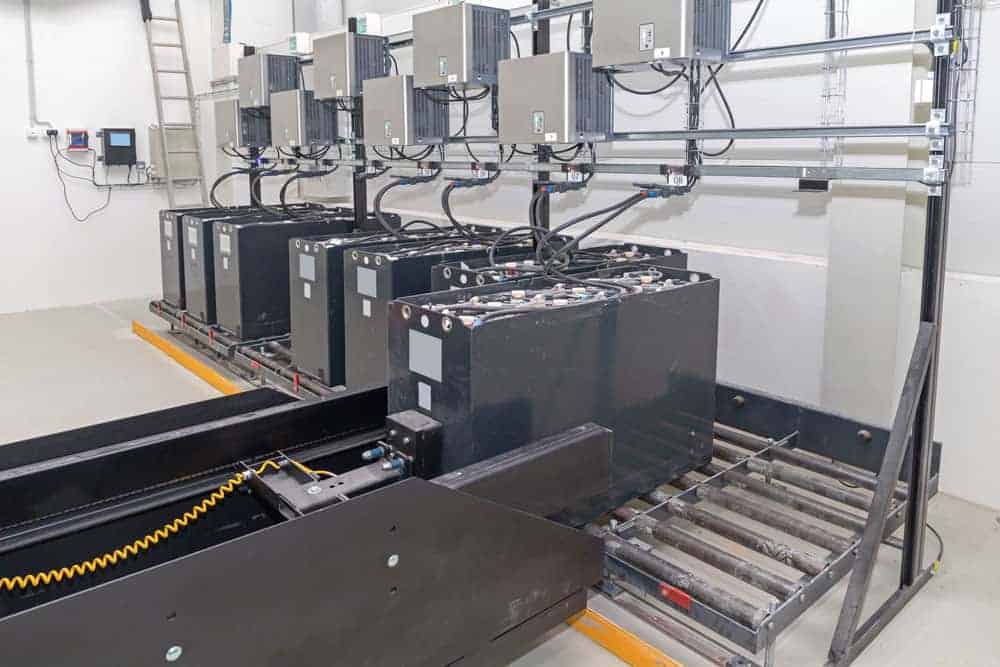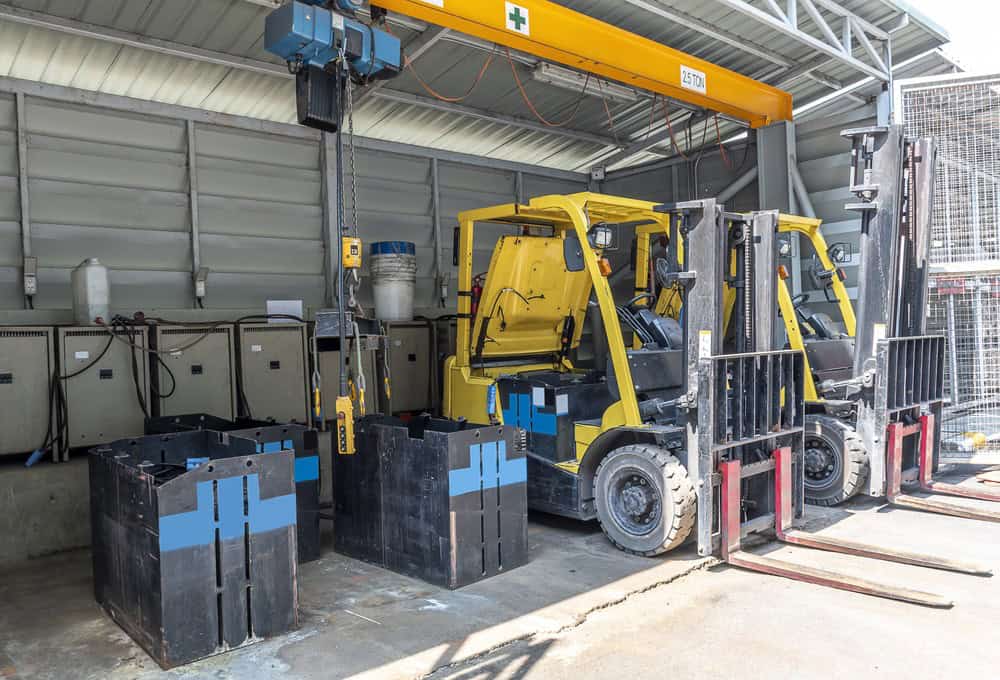
Forklift Battery Warranty Explained: What’s Covered, What Voids It, and How Green Power Compares

Quick Summary

A forklift battery warranty determines how much protection your fleet has against premature capacity loss, cell failure, and manufacturing defects. Coverage terms vary widely between suppliers, and the fine print often matters more than the number of years printed on the paperwork. Proper charging habits, routine watering, and correct voltage testing all play a role in keeping coverage valid. Understanding these terms before you buy helps you avoid unexpected repair costs and choose a battery backed by real, honored protection.

A strong forklift battery warranty is one of the most overlooked factors in a battery purchase decision, yet it has an outsized impact on your total cost of ownership. Two batteries can look identical on a spec sheet and still leave you with very different levels of financial protection if one manufacturer honors five years of coverage and another honors seven.

Here at Green Power Forklift Batteries, we built our warranty program around a simple idea: if we stand behind our products, our customers should never have to guess what happens when something goes wrong.

This guide walks through what a typical forklift battery warranty includes, the most common reasons a claim gets denied, and how our coverage compares to what you’ll find elsewhere in the industry.

What a Forklift Battery Warranty Covers

Most warranties on industrial batteries are prorated, meaning the percentage of the repair or replacement cost the manufacturer covers decreases as the battery ages. A strong warranty will typically address:

  • Manufacturing defects in the plates, jars, or covers
  • Premature capacity loss that falls outside normal wear patterns
  • Cell failure that occurs when the battery has been maintained and charged correctly
  • Structural issues with the case that develop under normal handling

Green Power backs most of our new batteries with a 7-year warranty, one of the strongest terms available for lead-acid forklift power in the industry. That length of coverage reflects the quality control we apply during manufacturing and the testing every unit goes through before it leaves our facility.

What Voids a Forklift Battery Warranty

Warranty denials are rarely about the battery itself. In most cases, they come down to how the battery was maintained in the field. Common causes include:

  • Improper charging. Using a charger that doesn’t match the battery’s voltage and amp-hour rating, or interrupting charge cycles repeatedly, accelerates plate degradation.
  • Water neglect. Lead-acid batteries need regular watering to keep the plates submerged in electrolyte. Letting water levels drop exposes the plates to air and causes irreversible damage.
  • Deep discharging below recommended limits. Running a battery past 80% depth of discharge on a routine basis shortens its usable life and can void coverage.
  • Physical damage. Cracked cases, damaged terminals, or evidence of impact from forklift operation are typically excluded from warranty repair.
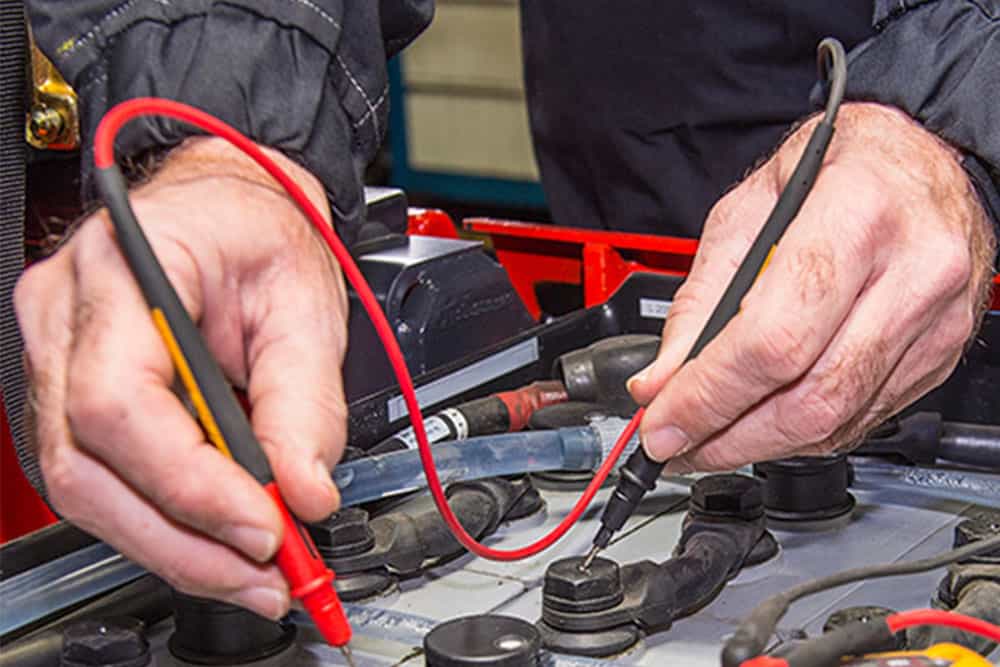
  • Incorrect voltage testing. A fully charged cell should read a stable 2.1 to 2.2 volts. Consistent readings outside that range, without addressing the root cause, can indicate a maintenance issue rather than a defect.

Reading the warranty document before you buy, not after a problem shows up, is the best way to avoid a denied claim. If a supplier is vague about exclusions or won’t put terms in writing, that is worth treating as a red flag.

New vs. Refurbished Forklift Batteries: How Warranty Terms Differ

New forklift batteries generally carry longer and stronger warranty terms because they start from zero cycles and have no prior wear history. Refurbished forklift batteries can still carry meaningful coverage, but the terms are usually shorter and more tightly scoped, since the unit has already completed part of its useful life before resale. Neither option is inherently wrong for every operation.

A warehouse running a single shift with light-duty cycling may get excellent value from a refurbished unit, while a multi-shift operation with heavy daily discharge is often better served by new battery power and the longer protection that comes with it.

Whichever option fits your operation, ask your supplier for the exact prorated schedule in writing, not just the headline number of years.

How Green Power’s Warranty Compares

Industry warranty terms on new lead-acid forklift batteries commonly range from three to five years, with prorated coverage that declines steadily after the first year or two. Green Power’s 7-year warranty on most new batteries sits well above that baseline, and the overwhelming majority of our customers never need to file a claim at all. We built this coverage to match the quality we put into manufacturing, not to be a marketing number that falls apart under scrutiny.

If you want a straightforward answer about what’s covered on a specific battery model, our team can walk you through the terms before you commit to a purchase.

Get a Warranty-Backed Battery Quote Today

If your current battery supplier has left you guessing about coverage, request a quote from Green Power Forklift Batteries and get clear answers about what’s protected, for how long, and under what conditions.

Our team can also help you match the right battery to your shift pattern so you get the most value out of your warranty from day one.

FAQs

How long is a typical forklift battery warranty?

Terms vary by manufacturer and battery type, but most new lead-acid forklift batteries in the industry carry warranties between three and seven years. Green Power backs most of our new batteries with a 7-year warranty.

Yes. Using a mismatched charger, interrupting charge cycles, or overcharging on a regular basis can accelerate wear and lead to a denied claim, since these issues are considered maintenance-related rather than manufacturing defects.

Yes, most refurbished batteries carry a warranty, though the terms are shorter than what you’d get with a new battery, since the unit has already been in service before resale.

A fully charged cell should show a stable voltage between 2.1 and 2.2 volts. Readings consistently outside that range can point to a maintenance issue that should be addressed before it affects your coverage.

No. Cracked cases, damaged terminals, and other impact-related damage are generally excluded from warranty coverage, since they result from handling rather than a manufacturing defect.

Review the warranty period, prorated coverage schedule, maintenance requirements, exclusions, and claim process before purchasing. Confirm that the terms match your charging practices, operating conditions, and expected battery usage.

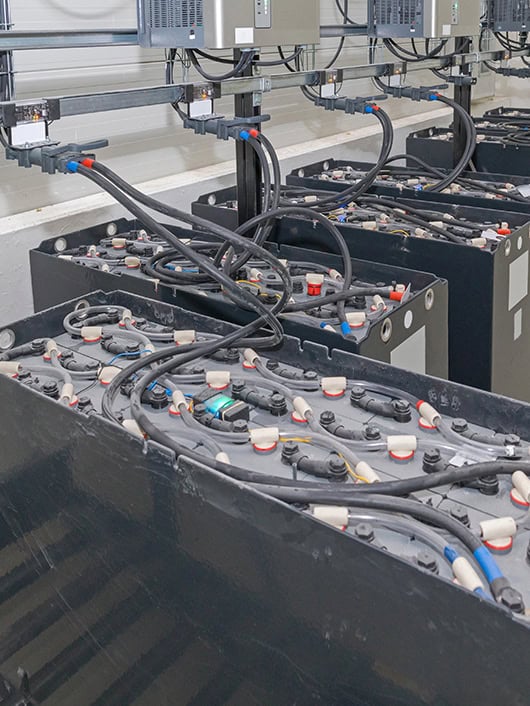
36V vs 48V vs 80V Forklift Battery: Which Voltage Does Your Operation Need?

Quick Summary

Choosing the right forklift battery voltage depends on the equipment you operate, the loads you lift, and the duty cycle of your shift. Lower voltage batteries suit lighter-duty electric forklifts, while higher voltage systems deliver more power for heavier loads and longer operating hours. Matching voltage correctly protects your equipment, avoids compatibility issues, and prevents you from overpaying for capacity you don’t need or underpowering equipment that requires more.

Voltage is one of the first specifications you need to get right when replacing forklift power, and getting it wrong isn’t a small mistake. Installing the incorrect voltage can damage your equipment, void warranties, and create safety issues on the floor.

This guide breaks down the differences between a 36v forklift battery, 48V, and 80V systems, along with how to determine which one your operation actually needs.

Why Voltage Matters

A forklift’s electrical system is designed around a specific voltage, and the battery has to match that design exactly. Voltage affects:

  • Available power: Higher voltage systems generally deliver more power, which supports heavier lift capacities and more demanding applications.
  • Runtime characteristics: Voltage and amp-hour rating together determine how long a battery lasts on a single charge before needing to be swapped or charged.
  • Equipment compatibility: Forklift manufacturers design the drive motor, controller, and charging system around a specific voltage. A mismatch isn’t something that can be adjusted after the fact.
  • Charging requirements: Voltage determines which charger is compatible with the battery, so the charging system must match the battery’s voltage rating.
  • Motor efficiency: The correct voltage allows the forklift’s motor and electrical components to operate within their intended specifications, supporting consistent performance and reducing unnecessary electrical strain.

Green Power Forklift Batteries carries the full range of common configurations, including 24V, 36V, 48V, and 80V, so operations of every size can find the correct match for their equipment.

36V Forklift Batteries

A 36-volt system is common in smaller electric forklifts, pallet jacks, and light-duty warehouse equipment. These batteries are well suited to:

  • Lighter load capacities
  • Smaller warehouses or distribution centers with shorter travel distances
  • Single-shift operations with moderate usage
  • Equipment where a smaller physical battery compartment limits the available options

36V batteries are generally more compact and lighter than their higher-voltage counterparts, which fits the smaller equipment they’re designed to power.

48V Forklift Batteries

48-volt systems represent the most common voltage class for mid-size electric forklifts used across general warehousing and distribution. These batteries typically suit:

  • Standard counterbalance forklifts handling moderate to heavy loads
  • Multi-shift operations that need reliable runtime across a full workday
  • Warehouses with a mix of load types and travel distances
  • Operations looking for a balance between power, battery size, and cost

Because 48V is such a widely used standard, it also tends to offer strong availability and a broad selection of both new forklift batteries and reconditioned options.

80V Forklift Batteries

An 80-volt system delivers the most power among these three configurations and is typically found in larger, heavy-duty electric forklifts built for demanding lift capacities and intensive multi-shift use. These batteries are the right fit when:

  • Your forklifts handle heavier loads on a regular basis
  • Your operation runs extended shifts or multiple shifts back to back
  • You need maximum available power for demanding lift heights or travel distances
  • Your equipment manufacturer specifies an 80V system as the required configuration

Because 80V batteries are larger and more powerful, they also represent a bigger upfront investment, which makes getting the voltage decision right the first time even more important.

How to Confirm the Correct Voltage for Your Equipment

The safest way to confirm voltage is to check your forklift’s data plate or existing battery compartment specifications rather than guessing based on the size of the forklift. If you’re unsure, our team can help you verify the correct configuration before you place an order, which avoids the cost and hassle of returning an incompatible battery.

It’s also worth checking your existing battery’s specification label for the exact voltage, amp-hour rating, and cell configuration, since these details matter as much as voltage alone when matching a replacement.

Testing and Maintaining Your Battery Regardless of Voltage

No matter which voltage configuration your operation runs, proper maintenance matters. A fully charged cell should read a stable voltage between 2.1 and 2.2 volts across 24V, 36V, 48V, or 80V systems, since this reading is measured per cell rather than across the full battery pack.

Consistent readings outside that range are worth investigating regardless of which voltage class you operate.

Voltage and Amp-Hour Rating Work Together

Voltage alone doesn’t tell the full story of a battery’s performance. Amp-hour rating, which measures the battery’s energy storage capacity, works alongside voltage to determine how long a battery will run before it needs to be charged or swapped.

Two 48V batteries can have very different amp-hour ratings depending on the number and size of the cells inside, which means they’ll deliver very different runtimes even though they share the same voltage.

When you request a quote, it helps to provide both your equipment’s required voltage and your typical shift length, so the amp-hour rating can be matched to your actual runtime needs rather than just the voltage requirement alone.

Common Voltage Mistakes to Avoid

  • Assuming a bigger forklift always needs a higher voltage: Voltage is determined by the manufacturer’s electrical design, not simply the physical size of the equipment.
  • Mixing components from different voltage systems: Chargers, batteries, and forklift electrical systems all need to match. Pairing a charger designed for one voltage with a battery of another can cause serious damage.
  • Ignoring the amp-hour rating when comparing quotes: Two quotes at the same voltage can represent very different values if their amp-hour ratings, and therefore runtimes, are different.
  • Skipping verification on used or reconditioned equipment: If you’re purchasing a battery for a forklift you didn’t buy new, don’t assume the previous battery’s voltage was correct. Confirm against the data plate directly.

Get the Right Voltage the First Time

Choosing between a 36V, 48V, or 80V forklift battery doesn’t have to be a guessing game. Our team at Green Power can confirm the exact configuration your equipment requires and provide a forklift battery quote that matches your operation’s real power needs.

Contact us today to get started.

FAQs

How do I know what voltage my forklift battery needs?

Check your forklift’s data plate or the specification label on your existing battery. If you’re unsure, our team can help confirm the correct voltage before you order.

Voltage upgrades typically require changes to the drive motor, controller, and charger, not just the battery, so this should only be done in consultation with the equipment manufacturer or a qualified technician.

No. Voltage should match your equipment’s design and your operation’s power needs, not simply be the highest number available. An 80V battery in equipment designed for 48V would not be compatible.

Voltage works together with amp-hour rating to determine runtime. Two batteries of the same voltage can still have very different runtimes depending on their amp-hour capacity.

We carry 24V, 36V, 48V, and 80V configurations across our new and reconditioned battery lines to match a wide range of forklift equipment.

No. A 48V battery is not a direct replacement for a 36V battery because the forklift’s electrical components are designed for a specific voltage. Using the wrong voltage can damage equipment and create safety risks.

Not necessarily. Charging time depends on the battery’s capacity, charger output, state of charge, and charging system. A higher-voltage battery does not automatically mean faster charging.

How to Sell Your Scrap Forklift Battery: What You’ll Get Paid and How the Process Works

Understanding Barrett Forklift Batteries: Size And Price Guide

Quick Summary

Selling a scrap forklift battery is a straightforward way to recover value from a unit that’s reached the end of its service life while responsibly clearing space in your facility. Payouts are typically based on the battery’s weight and lead content, along with current market rates for scrap lead. Knowing what affects pricing, and how a reputable buyer handles pickup and paperwork, helps you get a fair payout without unnecessary delays or hidden deductions along the way.

If you’ve got an old forklift battery sitting in a corner of your warehouse, you’re sitting on more value than you might think. Industrial lead-acid batteries contain a significant amount of recoverable lead, which means buyers are willing to pay for scrap units rather than let them go to waste.

Learning how to sell scrap forklift batteries the right way can turn a piece of dead equipment into real cash, while also keeping your facility compliant with proper disposal practices.

What Determines the Payout on a Scrap Forklift Battery

Pricing for a scrap forklift battery isn’t a flat rate. Several factors influence what a buyer will offer:

  • Weight. Forklift batteries are priced largely by weight, since the lead content scales with the size of the unit. A large 80V battery will be worth more than a smaller 24V unit.
  • Condition. A battery with an intact case and no signs of leaking electrolyte is easier to transport and process, which can affect the offer.
  • Current scrap lead market rates. Like any commodity, lead prices fluctuate. A buyer’s offer will reflect the market rate at the time of pickup, not a fixed price that never changes.
  • Volume. If you’re clearing out multiple batteries at once, some buyers offer better per-unit rates for bulk pickups.
  • Battery type. Lead-acid units make up the bulk of the scrap market, though older lithium-ion batteries may require specialized handling that affects pricing and pickup logistics differently.

Because pricing shifts with the market, it’s worth asking for a current quote rather than relying on a number you saw months ago.

The Step-by-Step Process for Selling Your Battery

  1. Request a quote. Provide basic details about the battery, including voltage, approximate weight, and condition, so the buyer can give you an accurate estimate.
  2. Confirm logistics. A reputable buyer will coordinate pickup, since forklift batteries are heavy and require proper equipment and a truck lift-gate to move safely.
  3. Battery pickup and weighing. The battery is weighed on-site or at a facility, and the final payout is calculated based on that verified weight.
  4. Payment. Once the battery is confirmed and weighed, payment is issued, typically by check or electronic transfer depending on the buyer’s process.
  5. Documentation. Ask for a bill of sale or transfer record for your files. This protects you in case questions come up later about how the battery was disposed of.

Why Proper Handling Matters

Lead-acid batteries contain sulfuric acid and lead plates, both of which are regulated materials. Selling to a buyer who handles transport and processing correctly keeps your facility on the right side of environmental rules and avoids the liability that comes with improper disposal. It also means the lead inside the battery gets recovered and reused, rather than sitting in a landfill.

Common Mistakes that Cost You Money

  • Waiting too long to get a quote. Scrap prices move with the market, so an old estimate may not reflect what you’d actually get paid today.
  • Not disclosing damage. If a case is cracked or leaking, say so upfront. Buyers will usually still take the battery, but surprises during pickup can slow down payment.
  • Selling piecemeal to unverified buyers. Working with an established company reduces the risk of lowball offers or pickup no-shows.
  • Forgetting about multiple units. If you have several old batteries on-site, bundling them into one pickup is usually more efficient and can improve your overall payout.

Turn Your Old Battery Into Cash

Green Power Forklift Batteries makes it simple to sell your scrap or end-of-life forklift battery. We provide a straightforward quote, handle pickup logistics, and pay promptly once the battery is weighed and confirmed.

Contact us today to find out what your battery is worth.

FAQs

How much can I get for a scrap forklift battery?

Payout depends on the battery’s weight, condition, and current scrap lead market rates. Larger, heavier batteries generally bring higher payouts than smaller units.

No significant preparation is needed. Just disclose the battery’s condition, including any leaks or case damage, so the pickup can be scheduled with the right equipment.

Once the battery is picked up and weighed, payment is typically issued quickly, often within the same visit or shortly after, depending on the buyer’s process.

Yes. Bundling multiple units into a single pickup is common and can streamline both the logistics and your overall payout.

Yes, selling a used lead-acid battery for scrap recovery is legal and common practice, provided it’s handled through a buyer equipped to transport and process it correctly.

Forklift Battery Recycling: EPA Rules, Lead-Acid Disposal, and Green Power’s Buy-Back Program

Quick Summary

Forklift battery recycling is not optional for most facilities, since lead-acid batteries are classified as a regulated material under federal environmental rules. Improper disposal can expose a business to real liability and environmental harm, while proper recycling recovers valuable lead and keeps facilities compliant. Understanding the basic regulatory framework, along with how a buy-back program works, helps operations managers handle end-of-life batteries responsibly and even recover some value in the process.

Every forklift battery eventually reaches the end of its usable life, and what happens next matters more than many facility managers realize. Forklift battery recycling isn’t just good environmental practice; it’s a regulatory requirement for most businesses handling lead-acid batteries.

Understanding the rules, along with the practical steps to recycle correctly, keeps your facility compliant and can even put some money back in your pocket.

Why Lead-Acid Batteries Are a Regulated Material

Lead-acid forklift batteries contain both lead and sulfuric acid, two materials that fall under environmental regulation due to their potential impact on human health and the environment if handled improperly.

The Environmental Protection Agency classifies spent lead-acid batteries as universal waste, a category that comes with specific rules for storage, labeling, and transportation, separate from standard hazardous waste requirements. These rules exist because lead is highly recoverable and reusable when processed correctly, but harmful if it ends up in a landfill or is disposed of improperly.

Businesses that generate spent lead-acid batteries are generally responsible for making sure they’re recycled or disposed of through a permitted handler, not simply thrown out with regular waste.

What Proper Forklift Battery Recycling Looks Like

A compliant recycling process typically includes:

  • Proper storage before pickup. Batteries should be stored upright, protected from physical damage, and kept away from areas where a leak could create a larger hazard.
  • Working with a permitted recycler or buyer. Not every scrap buyer follows the correct handling and transportation protocols. Working with an established company reduces your liability.
  • Documentation. Keep records of when batteries were picked up and by whom. This protects your business if questions ever arise about how the material was handled.
  • Avoiding improper transport. Lead-acid batteries require specific handling during transport due to their weight and acid content. This is not something that should be handled without the right equipment.
  • Prevent unauthorized disposal. Do not send damaged or spent batteries to general waste streams. Keep batteries separated and route them through an established recycling channel that can handle lead-acid materials correctly.
  • Inspect batteries for damage before handling. Look for cracked cases, leaking electrolyte, damaged terminals, or other visible issues so the battery can be handled with appropriate precautions.
  • Follow applicable recycling requirements. Confirm that the recycling process follows local, state, and federal requirements for spent lead-acid batteries, including any rules that apply to storage and transportation.

How Recycling Recovers Value

One of the most encouraging facts about lead-acid battery recycling is how effective it is. The lead inside a spent battery can be recovered and reused in new battery manufacturing, which is part of why buyers are willing to pay for scrap units rather than treat them as waste.

This creates a practical benefit for facility managers: selling scrap forklift batteries through a legitimate buy-back program turns an end-of-life disposal obligation into a source of recovered value instead of a pure cost center.

Green Power’s Buy-Back Program

Green Power Forklift Batteries operates a buy-back program that takes the guesswork out of end-of-life battery handling. Here’s how it works:

  1. Contact us with details about the battery, including voltage and approximate condition.
  2. We provide a quote based on current market conditions.
  3. We coordinate pickup, since these units are heavy and require the right equipment to move safely.
  4. The battery is weighed and payment is issued.

This program gives facility managers a straightforward, compliant path to clear out old batteries without having to research recycling regulations on their own or risk working with an unverified buyer.

What Not to Do With an Old Forklift Battery

Avoid these common mistakes:

  • Storing a damaged or leaking battery without proper containment
  • Disposing of a battery through general waste channels
  • Selling to buyers who can’t confirm how the material will be processed
  • Letting old batteries sit indefinitely instead of recycling them through a buy-back program while they still hold recoverable value

Building Recycling Into Your Fleet Management Routine

Rather than treating recycling as a one-time scramble when a battery finally dies, many facility managers build it into their regular fleet management routine. Tracking approximate battery age and performance trends makes it easier to plan for end-of-life pickup before a battery becomes a storage problem or a safety concern.

This also makes budgeting simpler, since you can anticipate roughly when a batch of batteries purchased around the same time will need to be recycled, and factor the value of a buy-back into your next battery purchase decision rather than treating it as an afterthought.

Recycle Your Old Battery the Right Way

If you have a forklift battery that’s reached the end of its service life, contact Green Power today. We’ll walk you through what your unit is worth and how our buy-back program handles pickup from start to finish.

FAQs

Are forklift batteries considered hazardous waste?

Lead-acid forklift batteries are classified as universal waste by the EPA, a category with specific handling rules that are less stringent than full hazardous waste requirements but still legally binding.

No. Lead-acid batteries must be recycled or disposed of through a permitted handler, not discarded with general waste, due to their lead and acid content.

Contact us with your battery’s details, receive a quote, and we’ll coordinate pickup. Once the battery is weighed and confirmed, payment is issued.

The lead is recovered and reprocessed for reuse in new battery manufacturing, making lead-acid recycling one of the most effective closed-loop recycling processes in industrial materials.

Businesses can face liability for improper disposal, which is why it’s important to work with an established buyer who follows correct handling and transportation practices.

Yes, damaged batteries can still be recycled, but leaking, cracked, or otherwise compromised units require appropriate handling and transportation.

Forklift Battery Reconditioning vs. Replacement: The Financial Case for Reconditioning

Quick Summary

Choosing between a reconditioned forklift battery and a brand-new unit comes down to matching the right product to your operation’s duty cycle and budget. Reconditioned batteries offer a lower upfront cost and can perform well in lighter-duty applications, while new batteries deliver longer service life and stronger warranty protection for demanding, multi-shift environments. Weighing the reconditioning cost against expected remaining lifespan helps operations managers make a purchase decision that holds up financially over the long run.

When a forklift battery starts losing capacity, operations managers face a real financial decision: buy a brand-new battery, or purchase a professionally reconditioned unit at a lower price point. Understanding the true forklift battery reconditioning cost against what you’d pay for new power, and how each option performs over its remaining life, is the key to making a decision that actually saves money instead of just deferring the expense.

Green Power Forklift Batteries sells both new and reconditioned battery products. This guide compares those two purchase options so you can choose the right fit for your operation.

What “Reconditioned” Actually Means

A reconditioned forklift battery has gone through a multi-step process to restore usable capacity. Green Power reconditions every unit using an 18-stage proprietary process that includes testing individual cells, replacing damaged components, cleaning and desulfating plates, and verifying performance against manufacturer specifications before resale. The result is a battery that’s already completed part of its total lifecycle, sold at a meaningfully lower price than a new unit with equivalent voltage and amp-hour rating.

Reconditioning is a full-process restoration completed before a battery is sold to a new owner.

Comparing the Upfront Numbers

New forklift batteries typically cost more upfront than refurbished forklift batteries of comparable voltage and capacity, often by a meaningful margin. That price gap is the main reason reconditioned units are attractive for operations working with tighter capital budgets or older forklift fleets that don’t justify a full new-battery investment.

But the sticker price only tells part of the story. To make a fair financial comparison, you need to look at:

  • Expected remaining service life: A reconditioned battery has already used part of its total cycle life, so its remaining years of service will typically be shorter than a new battery’s.
  • Warranty coverage: New batteries carry stronger warranty terms, including Green Power’s 7-year warranty on most new units, while reconditioned batteries carry shorter, more limited coverage.
  • Duty cycle demands: A single-shift operation with light discharge cycles gets more relative value out of a reconditioned battery than a three-shift operation running batteries hard every day.
  • Downtime cost: If a battery failure means idle forklifts and lost productivity, the calculation shifts toward whichever option minimizes the risk of unplanned downtime for your specific operation.

When Reconditioning Makes Financial Sense

Reconditioned batteries tend to be the stronger financial choice when:

  • Your forklifts run a single shift with moderate to light usage
  • You need a cost-effective backup or spare battery for occasional use
  • Your equipment is older and nearing the end of its own service life
  • Capital budget constraints make a full new-battery purchase impractical this cycle

When New Battery Power Makes More Financial Sense

New batteries tend to deliver better long-term value when:

  • Your operation runs multiple shifts with heavy daily discharge
  • Downtime from a battery failure carries a high cost to your business
  • You want the longest possible warranty protection and predictable performance
  • You’re standardizing your fleet on batteries with matched, known cycle histories

Running the Real Numbers

A useful way to compare the two options is to divide the purchase price by the expected number of remaining service years, giving you a rough annualized cost. A lower upfront price on a reconditioned battery can still work out to a higher annualized cost if its remaining service life is significantly shorter than a new battery’s.

On the other hand, if your usage is light and a reconditioned unit can realistically deliver several more years of reliable service, the lower purchase price often wins on a cost-per-year basis.

There’s no universal right answer. The math depends on your specific duty cycle, how many shifts you run, and how much downtime would cost your operation if a battery underperforms.

Questions to Ask Before You Decide

Before committing to either option, it helps to get clear answers on a few points:

  • How many cycles has the reconditioned unit already completed? A battery close to the end of its realistic cycle life offers far less value than one that’s only lightly used, even at the same reconditioned price point.
  • What does the warranty actually cover, and for how long? A short or vague warranty on a reconditioned battery shifts more of the risk onto you if the unit underperforms sooner than expected.
  • What’s the total cost of downtime if the battery fails early? For some operations, even a small chance of unplanned downtime justifies paying more upfront for new battery power and a longer warranty.
  • Does the reconditioned battery match your exact voltage and amp-hour requirements? Buying a slightly mismatched reconditioned unit to save money often costs more in reduced performance than it saves at checkout.

Asking these questions upfront, rather than after a battery underperforms, is what separates a smart reconditioning purchase from a false economy.

The Bigger Picture on Total Cost of Ownership

It’s tempting to compare reconditioning cost against replacement cost as a single upfront number, but the more accurate way to evaluate the decision is over the full remaining life of the battery.

That means factoring in expected charging efficiency, watering and maintenance labor, warranty protection, and the likelihood of needing an earlier replacement. A battery that costs less today but needs to be replaced again in two years may end up costing more overall than a slightly higher upfront investment in new battery power that lasts considerably longer.

Operations managers who track total cost of ownership rather than just purchase price tend to make better long-term fleet decisions, and battery power is no exception to that rule.

Get a Straight Answer for Your Operation

Our team at Green Power Forklift Batteries can walk through your shift pattern, fleet age, and budget to help you determine whether a new or reconditioned battery makes the most financial sense for your facility.

Request a quote and we’ll give you an honest comparison, not just a sales pitch for whichever product carries a bigger margin.

FAQs

Is a reconditioned forklift battery as reliable as a new one?

A quality reconditioned battery can perform reliably, particularly in light to moderate duty applications, though it typically has a shorter remaining service life and less warranty protection than a new unit.

Pricing varies by voltage, capacity, and brand, but reconditioned batteries are generally priced well below the cost of an equivalent new unit. Request a quote for an exact comparison on your specific battery size.

Green Power Forklift Batteries sells new and professionally reconditioned battery products for a range of operational needs and budgets.

Reconditioned batteries carry a warranty, though the terms are shorter and more limited than the 7-year warranty available on most of our new batteries.

If you run multiple shifts, discharge batteries deeply on a regular basis, or can’t afford downtime from underperforming power, a new battery is generally the safer financial choice.

Compare the battery’s voltage, amp-hour capacity, age, expected remaining service life, warranty coverage, and condition rather than relying on purchase price alone. A lower-cost battery with limited remaining life can cost more over time than a higher-priced unit with stronger performance and warranty protection.

Cold Storage Forklift Batteries: Why Lead-Acid Struggles and When Lithium Wins

Quick Summary

Operating forklifts in cold storage or freezer environments puts unusual strain on battery performance, since low temperatures reduce the chemical reaction rate inside every cell. Lead-acid batteries lose a meaningful percentage of their usable capacity in freezing conditions, while lithium-ion chemistry holds up considerably better under the same stress. Choosing the right battery for a cold environment protects productivity, extends service life, and helps avoid the operational headaches that come with underperforming power in freezer warehouses.

Few environments are harder on industrial batteries than a freezer warehouse. A cold storage forklift battery has to deliver full power in conditions that actively work against how batteries produce energy in the first place. Understanding why cold temperatures cause problems, and which battery chemistry holds up best, can save your operation from chronic downtime and shortened battery life.

Why Cold Temperatures Hurt Battery Performance

Batteries generate power through a chemical reaction, and that reaction slows down as temperature drops. In a lead-acid battery, this means:

  • Reduced usable capacity: A lead-acid battery operating at or below freezing can lose a significant portion of its rated capacity, sometimes 30% or more depending on the specific temperature and battery condition.
  • Slower charge acceptance: Cold electrolyte doesn’t accept a charge as efficiently, which extends charging time and can prevent a full charge if the battery is charged directly in a freezer environment.
  • Increased risk of electrolyte freezing: A battery left in a low state of charge in extreme cold is at higher risk of the electrolyte partially freezing, which can cause permanent internal damage.
  • Faster plate degradation over time: The temperature swings between a warm charging room and a freezer environment accelerate wear on lead-acid plates compared to batteries kept in a stable, moderate temperature range.

These effects compound over time, which is why lead-acid batteries in cold storage applications often show a shorter effective service life than the same battery model used in a standard warehouse.

How Lithium-Ion Performs Differently in the Cold

Lithium-ion forklift batteries handle cold environments considerably better than lead-acid for several reasons:

  • More stable capacity retention: Lithium-ion cells experience a smaller percentage drop in usable capacity at low temperatures compared to lead-acid.
  • Faster, more efficient charging: Lithium-ion batteries can typically accept opportunity charges during breaks, which matters in cold environments where every minute of downtime affects productivity.
  • No watering requirements: Lead-acid batteries need regular watering to function correctly, which becomes an operational hassle in a freezer environment. Lithium-ion eliminates that maintenance step entirely.
  • Sealed design: Lithium-ion batteries are sealed units, which removes the risk of electrolyte-related issues that can affect lead-acid batteries in extreme cold.
  • Better performance during short work cycles: Lithium-ion batteries maintain steadier power delivery during repeated starts, stops, and short operating periods in refrigerated facilities.
  • Reduced battery changeouts: A single lithium-ion battery can support extended operation through opportunity charging, reducing the need to swap batteries during demanding shifts.
  • Less heat loss during charging: Lithium-ion charging systems typically operate with high energy efficiency, helping reduce wasted energy and excess heat in temperature-controlled facilities.

Where Lead-Acid Still Makes Sense

Lead-acid remains a solid, cost-effective choice for many operations, including those with cold storage zones that aren’t running at the most extreme temperatures.

If your freezer environment stays closer to standard refrigeration temperatures rather than deep-freeze conditions, and your shift pattern allows batteries time to recover in a warmer charging area, a well-maintained lead-acid battery can still deliver dependable service.

The upfront cost of new forklift batteries in lead-acid chemistry is also generally lower than lithium-ion, which matters for operations working within a tighter capital budget.

When Lithium-Ion Is Worth the Investment

Lithium-ion tends to be the better financial and operational choice when:

  • Your facility runs true deep-freeze conditions consistently
  • Forklifts move between a freezer zone and a standard warehouse throughout the shift, creating repeated temperature swings
  • You run multiple shifts and rely on opportunity charging to keep equipment moving without swapping batteries
  • Watering and maintenance labor in a cold environment is a persistent operational headache
  • You want to minimize the capacity loss that comes with cold weather operation
  • Your operation needs consistent power output across long shifts without frequent battery changes
  • You want to reduce long-term energy and maintenance costs associated with operating forklifts in refrigerated environments

Making the Right Call for Your Facility

The right battery for a cold storage forklift depends on how cold your environment actually gets, how many shifts you run, and how much productivity loss you can tolerate from reduced capacity.

A facility running occasional trips into a mildly chilled cooler has very different needs than one running forklifts inside a sub-zero blast freezer all day.

The Cost Side of the Decision

Lithium-ion forklift batteries carry a higher upfront purchase price than lead-acid, which is often the first thing that gives facility managers pause. But the comparison looks different once you account for the operational costs that come with running lead-acid in a genuinely cold environment.

Reduced capacity means more frequent battery swaps or charging interruptions, which translates into labor hours and potential production slowdowns.

Faster plate degradation from repeated temperature swings can also shorten the effective service life of a lead-acid battery well below what the same model would achieve in a standard warehouse, which means more frequent replacement costs over time.

For facilities running the coldest, most demanding environments, the higher upfront cost of lithium-ion is often offset within a few years by lower maintenance labor, fewer battery swaps, and a longer effective service life.

Practical Steps for Facilities Sticking With Lead-Acid in the Cold

If lithium-ion isn’t the right fit for your budget or timeline right now, there are still steps that help lead-acid batteries perform better in a cold storage application:

  • Keep batteries as close to a full state of charge as possible before entering the freezer, since a low state of charge increases the risk of electrolyte issues in extreme cold.
  • Charge batteries in a temperature-controlled area whenever possible, rather than directly inside the freezer zone.
  • Stay consistent with watering schedules, since properly maintained electrolyte levels matter even more when temperature is already working against the battery.
  • Monitor voltage readings more closely in cold storage applications, since a battery under cold-weather stress can show warning signs earlier than one operating in standard conditions.

Talk to Green Power About Your Cold Storage Application

Our team at Green Power Forklift Batteries can help you evaluate your specific temperature range, shift pattern, and budget to determine whether lead-acid or lithium-ion is the smarter investment for your cold storage operation.

Request a quote and we’ll help you avoid the guesswork.

FAQs

How much capacity does a lead-acid forklift battery lose in cold storage?

Capacity loss varies by exact temperature and battery condition, but lead-acid batteries can lose a significant percentage of rated capacity, sometimes 30% or more, in freezing conditions.

Not always. Lithium-ion performs noticeably better in true deep-freeze conditions and multi-shift operations, but lead-acid can still be a cost-effective choice for milder cold storage environments with lighter usage.

Charging in extreme cold is not ideal for lead-acid batteries, since cold electrolyte doesn’t accept a charge efficiently. Many operations charge batteries in a separate, temperature-controlled area before returning them to the cold zone.

No. Lithium-ion batteries are sealed and don’t require watering, which removes a maintenance step that becomes more difficult to manage in a freezer environment.

This can range from standard refrigeration temperatures around 35 to 40 degrees Fahrenheit down to deep-freeze conditions well below zero. The lower the temperature, and the more time equipment spends there, the more it affects battery performance.

Consider the lowest operating temperature, time spent inside the cold zone, number of shifts, charging requirements, and expected daily usage. These factors help determine whether lead-acid or lithium-ion technology is better suited to the application.

Why Is My Forklift Battery Losing Charge So Fast? 7 Causes and Fixes

Why Is My Forklift Battery Losing Charge So Fast? 7 Causes and Fixes

Quick Summary

A forklift battery can lose charge quickly due to incomplete charging, an incompatible charger, low electrolyte levels, excessive heat, corroded connections, weak cells, or a battery that is too small for the application or nearing the end of its service life. Review charging records, cell voltage, battery temperature, water levels, cable condition, and actual shift requirements before deciding on replacement. Green Power Forklift Batteries helps buyers compare new and reconditioned replacement options when testing shows that the existing battery can no longer handle the required workload.

When a forklift battery drains quickly, short runtime can interrupt picking, loading, and production while increasing battery changes and operator downtime. Determine whether the problem comes from charging, battery condition, or a mismatch with the application.

Green Power Forklift Batteries supplies electric forklift batteries for 24V, 36V, 48V, and 80V systems. Record the voltage, amp-hour rating, charger information, shift length, and symptoms before deciding on replacement. These details help separate operating issues from permanent capacity loss.

The Forklift Battery Is Not Reaching a Full Charge

A partially charged battery will lose power early. Interrupted cycles, an early timer cutoff, or brief charging sessions can leave a flooded lead-acid battery below capacity. Review charger records instead of assuming a green indicator proves a complete cycle.

The charger must match the battery voltage and amp-hour range. Green Power offers forklift battery chargers for lead-acid and lithium-ion applications. A mismatched or malfunctioning charger can undercharge the battery, overcharge it, or create heat that accelerates performance loss.

The Battery Is Being Discharged Too Deeply

Frequently operating a lead-acid battery below approximately 80% depth of discharge can reduce usable runtime over time.

A forklift that now handles longer shifts, heavier loads, or greater travel distances may require more energy than the original battery selection was designed to handle. Monitor operating hours and record the battery state of charge at the end of each shift to identify changing power demands.

The solution may involve adjusting the charging schedule, selecting a higher-capacity battery that fits the compartment, or adding another battery for multi-shift operations. Voltage, dimensions, weight, connector type, and amp-hour capacity must all match the electric forklift specifications.

Electrolyte Levels Are Too Low or Watering Is Incorrect

Flooded lead-acid batteries need enough electrolyte to cover the plates. Low water exposes active material, while overfilling before charging can force electrolyte out. Check levels after charging and cooling, then add approved water to the specified level.

A consistent inspection schedule is part of sound forklift battery maintenance. Record water additions because a sudden increase in water consumption can point to overcharging, excess heat, or a cell problem.

Dirty, Loose, or Corroded Connections Are Creating Resistance

Corrosion, damaged cables, loose terminals, and worn connectors create resistance, heat, and voltage drop. After trained personnel disconnect the battery, inspect connectors, cables, terminals, and the battery top for residue, damage, or heating.

Our informational guide to forklift battery repair explains common battery faults and diagnostic considerations. Green Power does not offer repair or reconditioning services for customer-owned batteries; we sell finished replacement products.

One or More Cells Are Weak or Out of Balance

A battery may display an acceptable overall voltage while still losing power quickly during operation if one or more cells are weak. A fully charged lead-acid battery should typically show a stable reading of around 2.1 to 2.2 volts per cell. A noticeably lower cell reading, sudden voltage drop, or repeated imbalance may indicate the need for professional evaluation.

Voltage readings alone do not show the complete battery condition. Specific gravity, temperature, charging patterns, and a controlled capacity test provide a clearer assessment. A battery that cannot maintain the required output should be removed from service and replaced.

Heat Is Reducing Battery Efficiency

High ambient temperatures, poor charging-area ventilation, overcharging, and immediate charging after heavy use can raise battery temperature. Heat speeds chemical activity and can accelerate water loss and internal deterioration. Allow the battery to cool, verify ventilation, and confirm that the charger profile matches the battery.

If the case is unusually hot, swollen, leaking, or producing a strong sulfur odor, stop charging or operating the battery. Isolate the area according to facility safety procedures and have trained personnel assess the condition.

The Battery Is Undersized or Has Lost Too Much Capacity

A battery may simply be too small for the workload or may have lost capacity through age and use. Compare measured capacity with the original amp-hour rating and the actual energy required per shift. Repeatedly swapping or charging a weak battery during one shift usually signals that replacement planning should begin.

Our refurbished forklift batteries offer a lower-cost replacement option and must retain at least 85% of rated capacity before sale. For high-use equipment and longer ownership plans, our new batteries are often the stronger long-term choice because most include an industry-leading seven-year warranty.

How to Diagnose a Forklift Battery That Drains Quickly

  • Confirm the battery and charger voltage, amp-hour range, connector, and charge profile.
  • Review charge duration, interruptions, end-of-shift state of charge, and operating hours.
  • Check electrolyte levels, cell voltage, temperature, cables, terminals, and visible damage.
  • Arrange a controlled capacity test when the battery passes visual checks but runtime remains short.

Do not replace a battery based on one short shift. Charger problems, workload changes, or missed watering can create similar symptoms. Consistent records make diagnosis faster.

Choose the Right Replacement Forklift Battery

Green Power makes the quote process simple. Share the electric forklift manufacturer and model, existing battery specifications, compartment dimensions, connector information, charger details, and expected hours per shift.

We can compare current inventory with new forklift batteries and reconditioned options based on price, warranty, lead time, and workload.

FAQs

Why does my forklift battery show full but die quickly?

A surface charge can make voltage look normal even when usable capacity is low. A weak cell, incomplete charge, high resistance, or permanent capacity loss may cause rapid voltage drop under load.

A fully charged lead-acid cell should show a stable voltage of approximately 2.1 to 2.2 volts. Cell-to-cell consistency and performance under load are also important.

No. Green Power does not offer repair or reconditioning services for customer-owned batteries. We sell new, reconditioned, and lithium-ion replacement batteries and help buyers match the product to the electric forklift and workload.

Reconditioned vs. New vs. Lithium Forklift Batteries: Which Is Right for Your Fleet?

Reconditioned vs. New vs. Lithium Forklift Batteries: Which Is Right for Your Fleet?

Quick Summary

New lead-acid batteries deliver strong long-term warranty coverage and consistent performance, while reconditioned batteries reduce the upfront investment. Lithium-ion systems can be a practical choice for high-utilization fleets that need quick charging, opportunity charging, and lower routine maintenance demands. The best option depends on shift duration, charging availability, budget, voltage, amp-hour capacity, battery dimensions, weight, and connector specifications. Green Power Forklift Batteries helps fleet managers evaluate these factors before selecting a battery solution.

Choosing between a reconditioned vs. new forklift battery and a lithium-ion system involves more than comparing which option is newer.

Each battery type is designed for different operating needs. A single-shift warehouse may focus on purchase cost, while a multi-shift distribution center may prioritize charging speed, maintenance requirements, and equipment uptime.

Green Power Forklift Batteries works with electric forklift fleets using 24V, 36V, 48V, and 80V configurations. The team reviews the forklift data plate, daily workload, available charging periods, and budget before recommending a battery type. This process helps buyers avoid investing in features they do not need or choosing a battery that cannot meet their operational demands.

Reconditioned vs. New Forklift Battery Options at a Glance

Most new and reconditioned industrial forklift batteries use flooded lead-acid technology. The primary differences involve component condition, warranty coverage, and purchase price. Lithium-ion batteries use a different chemistry and charging method, meaning they should be evaluated as a complete power solution instead of a direct replacement for every lead-acid application.

  • New lead-acid batteries: Best suited for buyers looking for maximum warranty coverage, new components, consistent performance, and a long-term ownership plan.
  • Reconditioned lead-acid batteries: A good choice for fleets that need reliable capacity at a lower initial cost, especially for moderate-use equipment or forklifts with a shorter expected service period.
  • Lithium-ion batteries: Designed for specific high-use operations that benefit from fast charging, opportunity charging, consistent power output, and reduced watering and equalization requirements.

When New Forklift Batteries Make the Most Sense

Our own brand of new forklift batteries is the primary recommendation for businesses that want the strongest combination of price, lead time, customer service, and warranty protection. Most Green Power new batteries carry an industry-leading seven-year warranty, which gives fleet managers a clear long-term value benchmark.

A new battery is often the right choice for newer forklifts, heavily used equipment, or trucks expected to remain active for many years. Fresh cells and components deliver reliable capacity from the beginning. New units also simplify budget planning because fleets can work with a longer warranty period instead of accepting shorter coverage to reduce the initial purchase cost.

The main consideration is the higher purchase price compared with a reconditioned battery. Availability may also vary depending on the forklift model, battery dimensions, capacity requirements, and current inventory.

Green Power reviews these details during the quote process so buyers can compare pricing and delivery expectations before placing an order.

When Reconditioned Forklift Batteries Deliver Better Value

Our refurbished forklift batteries complete a structured 18-stage process and must meet a minimum of 85% of rated capacity before approval. These batteries include a standard one-year warranty. They can significantly lower upfront expenses while still delivering measured performance for suitable applications.

A reconditioned battery can be a strong option for backup forklifts, equipment used for limited hours, seasonal operations, or trucks that may be replaced within a few years. It can also help expanding businesses increase battery availability without spending the full amount required for multiple new batteries.

Understanding the difference between a reconditioned vs. new forklift battery helps fleet managers choose based on actual operating needs instead of focusing only on purchase price. A reconditioned unit may deliver excellent value when the workload, usage frequency, and expected equipment lifespan match the battery’s capabilities.

When Lithium-Ion Forklift Batteries Fit the Workload

Our lithium-ion forklift batteries are designed for operations that can use their charging and maintenance advantages.

Lithium-ion systems can accept shorter charging periods during scheduled breaks, maintain steadier power throughout the discharge cycle, and eliminate the regular watering tasks required by flooded lead-acid batteries.

These advantages can matter in multi-shift facilities where removing batteries for long charging and cooling periods is difficult. Lithium-ion may also reduce the need for battery changing equipment and dedicated storage space. The higher purchase price, charger requirements, battery management system, and equipment compatibility must all be included in the comparison.

Compare Cost, Warranty, Charging, and Maintenance

Upfront Price and Budget

Reconditioned batteries generally have the lowest initial purchase cost. New lead-acid batteries require a larger investment but typically include longer warranty coverage across Green Power models. Lithium-ion systems usually require the highest upfront budget, although their operating benefits may balance some of the additional cost in high-demand environments.

Warranty and Risk Tolerance

Review the current battery warranty and return policy before comparing quotes. Warranty length is not the same as guaranteed battery life, but it shows how risk is allocated between the buyer and seller. New Green Power batteries lead this category, while reconditioned units trade shorter coverage for a lower purchase price.

Charging Equipment and Facility Layout

Battery chemistry must match the charging system. Our forklift battery chargers include options for different voltages, capacities, input power, and charging strategies. A charger that is undersized, mismatched, or configured for the wrong chemistry can reduce productivity and damage the battery.

Routine Battery Care

Flooded lead-acid batteries need scheduled watering, cleaning, terminal inspection, and appropriate equalization. Lithium-ion systems remove several of those tasks but still require correct charging, clean connections, and attention to the battery management system. Maintenance savings should be calculated against the actual labor practices at the facility.

Match the Battery Specifications to the Electric Forklift

Battery type is only one part of the decision. Voltage must match the forklift electrical system exactly. Amp-hour capacity should fit the shift length and duty cycle. Tray dimensions, minimum battery weight, cable length, connector type, and charger compatibility must also be verified before shipment.

Choose the Battery Around the Shift Pattern

For a light single-shift operation, a reconditioned battery may deliver the needed runtime at the lowest capital cost. A new battery becomes more attractive when the forklift is central to daily output, the equipment will stay in service for years, or the fleet values long warranty coverage.

For two- or three-shift operations, compare battery changing, cooling periods, spare battery inventory, and charger availability. Lithium-ion can be valuable when opportunity charging aligns with scheduled breaks. Conventional lead-acid can still work well when the facility has enough batteries, charging stations, and time for proper charging and cooling.

Request a Forklift Battery Quote From Green Power

Green Power Forklift Batteries makes the quote and ordering process straightforward. Share the forklift manufacturer and model, required voltage, amp-hour rating, tray dimensions, connector details, shipping location, and daily workload. We will help compare new, reconditioned, and lithium-ion choices based on the equipment and budget.

FAQs

Is a reconditioned forklift battery as good as a new battery?

A reconditioned battery can be a strong value, but it is not identical to a new unit. Green Power reconditioned batteries must reach at least 85% of rated capacity and carry a standard one-year warranty. New batteries start with fresh components and most include a seven-year warranty.

The answer depends on charging windows and facility design. Lithium-ion can suit opportunity charging and high utilization. Lead-acid can also serve multiple shifts when the operation has enough batteries, chargers, changing equipment, and cooling time.

No. Voltage, dimensions, weight, connector, charger, communication requirements, and forklift compatibility must be checked. A lithium-ion conversion should be treated as a system decision rather than an automatic drop-in replacement.

The most useful details are the forklift make and model, voltage, amp-hour capacity, battery compartment dimensions, minimum weight, connector type, charger information, shipping location, and expected hours of operation per shift.

How to Choose the Right Forklift Battery Charger: A Complete Selection Guide

How to Choose the Right Forklift Battery Charger: A Complete Selection Guide

Quick Summary

The right forklift battery charger must match the battery voltage, chemistry, amp-hour capacity, connector specifications, and the electrical service available at the facility. The charging method should also align with the operating schedule, especially for fleets running multiple shifts. Green Power Forklift Batteries offers conventional, opportunity, fast, and multi-voltage charging solutions for electric forklift applications. Gather complete battery and facility details before ordering so the charger can restore battery power safely, efficiently, and within the required charging timeframe.

Learning how to choose a forklift battery charger starts with one rule: the charger must be selected for the battery and the facility, not only for the forklift model.

A charger that does not match the battery voltage, chemistry, amp-hour range, or available AC power can cause incomplete charging, excessive heat, unnecessary downtime, or permanent battery damage.

At Green Power Forklift Batteries, we help B2B buyers compare charging equipment for electric forklifts operating on 24V, 36V, 48V, and 80V battery systems. The most reliable selection process uses verified battery specifications, shift demands, charging windows, and electrical details from the installation site.

Start With the Forklift Battery Specifications

Before comparing charger models, record the battery information from the nameplate or purchase documentation. Do not rely on the lift truck voltage alone because two batteries with the same voltage may have different capacities, chemistries, connectors, and charging requirements.

  • Battery voltage, such as 24V, 36V, 48V, or 80V
  • Rated amp-hour capacity and the applicable discharge rate
  • Battery chemistry, including flooded lead-acid, AGM, gel, or lithium-ion
  • Connector type, connector color or keying, cable length, and cable position
  • Battery model, manufacturer, serial information, and current charger model

When testing a fully charged flooded lead-acid battery, each cell should display a stable voltage of approximately 2.1 to 2.2 volts. This measurement helps confirm battery charge status before additional testing, but charger selection must still follow the battery manufacturer’s approved requirements.

Keeping accurate battery records also makes future replacements easier because the facility can reference verified charger information instead of repeating the entire selection process.

Match Charger Output Voltage to Battery Voltage

The charger output voltage must match the battery’s nominal voltage. A 36V battery requires a charger specifically designed for 36V operation. Using a charger with an incorrect output voltage can create safety concerns or prevent the battery from reaching the proper charge level.

Multi-voltage chargers can be useful for facilities operating different battery sizes, but only when the equipment can correctly identify or accept the required settings. Operators should not use improvised adapters or manually adjust charger settings unless the manufacturer approves the configuration.

Choose a Charger Profile for the Battery Chemistry

Lead-acid and lithium-ion batteries require different charging methods.

Flooded lead-acid batteries may need controlled finishing cycles and scheduled equalization, while lithium-ion systems require an approved charger and communication with the battery management system. AGM and gel batteries also need charging profiles designed specifically for sealed battery types.

A charger marketed for multiple battery chemistries is not automatically suitable for every application. Confirm the approved charging profile, communication requirements, and compatibility before connecting the equipment. This helps protect battery performance and reduces risks associated with overheating or repeated undercharging.

Match Charger Amperage to Battery Capacity and Charge Time

The amp-hour rating helps determine the appropriate charger output. A charger that is too small may not restore the battery within the available window. A charger that is too aggressive for the battery can raise temperature and increase stress on the cells.

Consider the starting state of charge, the number of hours available, the number of batteries assigned to each charger, and the battery manufacturer’s recommended current range. The goal is not simply the highest output. The goal is a complete charge within the schedule without exceeding the approved charging rate.

Confirm the Facility AC Input and Electrical Service

Forklift battery chargers may require 110/120V plug-in service or industrial 208V, 240V, or 480V power. Larger units may use single-phase or three-phase service. Verify the actual voltage and phase at the proposed charger location before ordering.

A qualified electrical professional should confirm circuit capacity, disconnects, ventilation, charger placement, and local requirements. Buying the correct DC output charger with the wrong AC input can delay installation and add unplanned electrical costs.

Select the Charging Method for the Fleet Schedule

Conventional Charging

Conventional charging generally fits single-shift operations that can dedicate a longer uninterrupted period to charging and cooling. It is often the simplest choice when each battery has enough time to complete the approved cycle before the next shift.

Opportunity Charging

Opportunity charging adds energy during scheduled breaks or periods of inactivity. It can reduce battery changes, but the battery, charger, operating schedule, and temperature controls must be designed for that strategy.

Fast Charging

Fast charging can support demanding multi-shift applications with limited downtime. The higher charging rate requires a compatible battery, suitable infrastructure, careful temperature management, and a charging plan based on actual utilization.

Review Charger Controls, Data, and Safety Features

Modern charger controls can automate cycle selection, equalization, shutoff, and fault reporting. Useful features may include digital displays, charge history, battery identification, temperature sensing, automatic equalization, and network reporting. Choose features that improve accountability rather than paying for data the operation will not use.

The connector and cable arrangement should also reduce strain and operator error. Confirm polarity, cable length, connector compatibility, mounting location, and clear access around the charger. Charging areas should follow the facility’s battery safety procedures.

Common Forklift Battery Charger Selection Mistakes

  • Selecting by voltage while ignoring amp-hour capacity and chemistry
  • Ordering before confirming the building’s AC voltage and phase
  • Using a lead-acid charger profile for an unapproved lithium-ion battery
  • Choosing fast charging without reviewing battery temperature and duty cycle
  • Ignoring connector type, cable position, and future fleet changes

The lowest initial price may not be the lowest operating cost. A properly matched charger can reduce incomplete cycles, operator delays, and premature battery replacement. We focus on price and customer service while helping buyers compare the practical requirements of each application.

How Green Power Helps You Choose a Forklift Battery Charger

Our selection of forklift battery chargers includes standard, conventional, opportunity, fast, and multi-voltage options for material handling applications. We can review battery voltage, amp-hour capacity, chemistry, AC input, charging window, and connector information before a buyer selects a model.

If the current battery also needs replacement, compare our new forklift batteries, which include an industry-leading 7-year warranty on most units. Buyers can also submit equipment and shipping information through our forklift battery quote system for a faster product match.

Get Help Selecting the Right Forklift Battery Charger

A correct charger match protects battery performance and keeps electric forklifts available for scheduled work. Send us the battery specifications, facility input power, and operating schedule to compare charger options, pricing, and lead time.

Frequently Asked Questions

Can a 36V charger charge a 48V forklift battery?

No. Charger output voltage must match the battery voltage unless the equipment is an approved multi-voltage charger configured for that specific battery. Never connect mismatched equipment.

Use the battery amp-hour capacity, chemistry, starting state of charge, available charging window, and manufacturer-approved current range. A supplier should review all of these details before recommending output amperage.

Only if the charger has approved profiles and communication features for each exact battery. Lithium-ion charging often requires battery management system communication, so compatibility must be confirmed rather than assumed.

Send the battery voltage, amp-hour rating, chemistry, connector details, current charger model, facility AC voltage and phase, charging window, daily operating schedule, and shipping location.

How Much Does a Forklift Battery Cost? (2026 Price Guide by Voltage)

How Much Does a Forklift Battery Cost? (2026 Price Guide by Voltage)

Quick Summary

Forklift battery cost depends on voltage, amp-hour capacity, chemistry, dimensions, and the operating demands of the electric lift. Current 2026 pricing commonly starts near $1,100 for compact 24V models and rises beyond $8,000 for larger 48V and 80V lead-acid units. Lithium-ion options, chargers, shipping, installation, and accessories can increase the total. A model-specific quote is the most reliable way to compare value.

A forklift battery price is not determined by voltage alone. Two batteries may both be rated at 36V, yet differ by thousands of dollars because their amp-hour capacity, tray dimensions, weight, connector, construction, and intended workload are different. For 2026, buyers should expect a broad range rather than one universal number.

At Green Power Forklift Batteries, we help businesses compare the right battery for the electric forklift, schedule, and budget. Our own new batteries are the primary choice for long-term value because most include an industry-leading 7-year warranty, competitive pricing, practical lead times, and guidance from an experienced customer service team.

We also sell reconditioned batteries, BBI batteries, chargers, and lithium-ion options for operations with different priorities. Keep reading to learn more about forklift battery costs and the factors that influence their prices.

2026 Forklift Battery Price Ranges by Voltage

The price ranges below represent general examples based on current product pricing and common lead-acid battery configurations. They are intended for early budgeting purposes and should not be considered guaranteed quotes.

Final pricing depends on battery capacity, dimensions, availability, battery type, shipping requirements, installation needs, and optional equipment.

A 24V battery is commonly used in pallet trucks, walkie stackers, and smaller electric equipment. A 36V system often powers reach trucks and many warehouse lifts. A 48V battery serves a wide range of sit-down electric forklifts, while 80V systems are generally associated with larger, heavier-duty electric lift trucks.

Buyers can review our full selection of forklift batteries before narrowing the choice by model and application.

What Changes the Price of a Forklift Battery?

Voltage sets the number of cells, but several other specifications shape cost. The following details can move a quote higher or lower even when the voltage stays the same:

  • Amp-hour capacity: Higher-capacity batteries contain more active material and can power longer or more demanding shifts, so they usually cost more.
  • Tray size and weight: The battery must fit the compartment and often serves as part of the forklift counterweight. A physically larger and heavier unit carries more material and shipping expense.
  • Battery chemistry: Flooded lead-acid, maintenance-conscious lead-acid options, and lithium-ion systems have different purchase prices, charging requirements, and operating profiles.
  • Connector and accessories: Plug style, watering systems, water-level indicators, covers, cable arrangements, and installation choices affect the order total.
  • Availability and lead time: A common in-stock model may cost less to deliver quickly than a less common configuration that must be built or moved from another location.

New, Reconditioned, and Lithium-Ion Battery Costs

New Forklift Batteries

For operations that need predictable performance and long-term warranty coverage, our new forklift batteries are usually the strongest starting point. Most Green Power new batteries carry a 7-year warranty.

Price, warranty, lead time, customer service, and our experience are the central value points – not an arbitrary claim that every battery lasts a fixed number of years.

Reconditioned Forklift Batteries

A reconditioned unit can reduce upfront cost when the application and duty cycle fit the available inventory. The refurbished forklift batteries we sell are guaranteed to retain at least 85% of their original rated capacity and include a standard 1-year warranty.

Green Power sells reconditioned products; we do not advertise repair or reconditioning as a customer service.

Lithium-Ion Forklift Batteries

Lithium-ion batteries generally have the highest initial purchase price. However, they may deliver stronger value for multi-shift operations that benefit from opportunity charging, consistent power output, reduced watering requirements, and fewer battery changes.

A complete cost comparison should include the compatible charger, operating schedule, available charging periods, installation requirements, and expected usage patterns. Looking only at the battery purchase price does not show the full ownership cost.

Additional Forklift Battery Costs to Budget For

The battery is the largest line item, but the complete project may include several related costs. A matching charger can add roughly $1,400 to $2,900 for many conventional configurations based on published market listings, while specialized or high-capacity systems can cost more.

Green Power offers forklift battery chargers across common voltage requirements, including 24V, 36V, 48V, and 80V applications.

  • Freight: Industrial batteries are extremely heavy, so destination, delivery access, and shipping method matter.
  • Installation: Some facilities can complete a safe battery exchange with existing equipment, while others need installation assistance.
  • Core status: The presence, condition, and handling of an existing battery core can affect the transaction.
  • Watering and monitoring accessories: These options add cost but may simplify routine battery care and help operators follow a consistent process.
  • Electrical compatibility: The charger input, output voltage, amp-hour range, phase, and connector must match the battery and facility.

How to Get an Accurate Forklift Battery Price

The best way to avoid an inaccurate estimate is to collect the forklift make and model, battery voltage, amp-hour rating, compartment dimensions, connector type, and delivery ZIP code. Photos of the battery data plate and compartment can also help identify unusual configurations.

Operating conditions are equally important. Share how many hours the forklift runs each day, the number of shifts, workload demands, and available charging periods.

Green Power’s battery quote tool helps buyers select the electric forklift manufacturer and model before requesting pricing. After confirming the correct fit, Green Power can compare new, reconditioned, BBI, charger, and lithium-ion solutions without requiring customers to estimate technical requirements themselves.

This process also helps identify product availability and expected lead times early.

How Workload Affects Forklift Battery Price

Battery size should match more than the forklift model. A light single-shift warehouse may not need the same amp-hour capacity as a multi-shift distribution center with long travel distances or limited charging windows.

Buying too little capacity can cause premature discharge and interruptions, while excessive capacity can raise the initial price without a practical return.

We review shift length, charging access, load weight, travel distance, and expected growth before recommending a configuration. When evaluating an existing flooded lead-acid unit, a fully charged battery should show a stable reading of about 2.1 to 2.2 volts per cell before capacity testing or replacement planning.

Request a 2026 Forklift Battery Quote

Green Power Forklift Batteries makes the quote and ordering process straightforward. Share the electric forklift model, battery specifications, workload, and delivery location, and our team will identify compatible options. Compare price, warranty, lead time, and long-term operating value before choosing the battery that fits the job.

Frequently Asked Questions

How much is a 24V forklift battery in 2026?

Common published prices for Green Power 24V lead-acid models currently begin around $1,100 and can exceed $2,700 as capacity, size, and options increase. Larger or lithium-ion configurations may cost substantially more.

Voltage does not describe total energy capacity or physical construction. Amp-hour rating, plate design, dimensions, weight, battery type, connector, cover, accessories, and warranty can all change the price.

Usually, yes. Reconditioned batteries are positioned as a lower-cost alternative, but the right decision depends on available capacity, warranty, shift demands, expected ownership period, and model fit.

Not automatically. Battery and charger pricing should be confirmed separately unless the quote clearly identifies a package. The charger must match the battery voltage, amp-hour range, chemistry, and available AC power.