
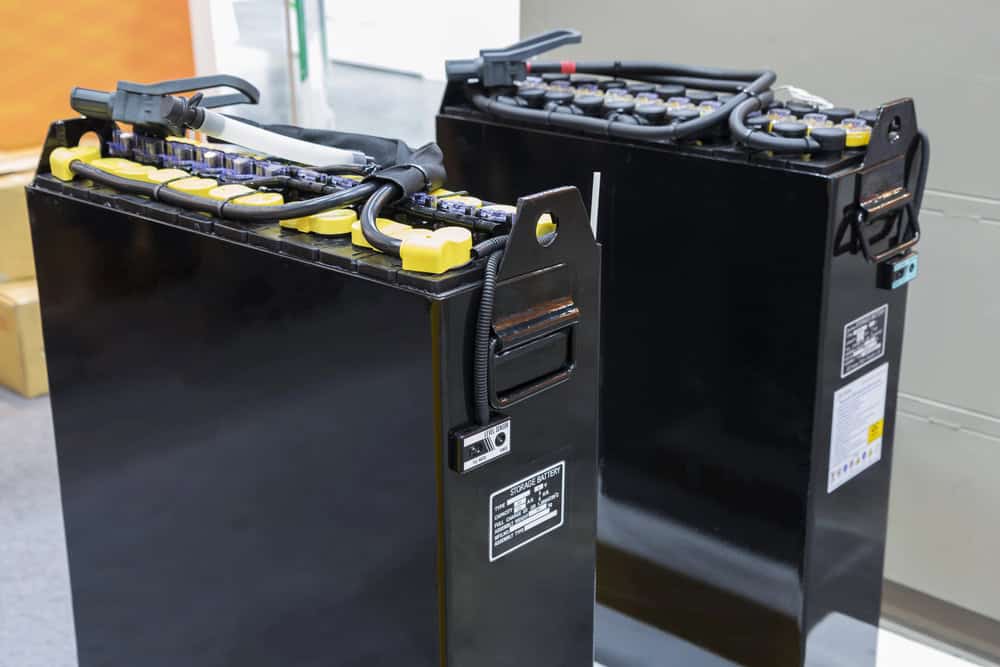
The location of a forklift battery varies depending on each brand’s design approach and engineering priorities. Understanding the battery’s placement is essential for effective maintenance, timely replacements, and ensuring optimal performance. From enhancing stability to balancing loads, the battery’s position is critical to a forklift’s overall functionality.
Battery Placement Under the Operator’s Seat
Many forklifts, including certain models by Toyota, Yale, Hyster, Crown, and Raymond, position the battery beneath the operator’s seat. This design keeps the center of gravity low, enhancing the forklift’s balance when lifting and moving heavy loads. It also offers relatively simple access for routine battery checks and maintenance.
By placing the battery under the seat, these manufacturers improve weight distribution—especially important in high-capacity operations. Operators can easily reach the battery for tasks like cleaning terminals or checking electrolyte levels, reducing downtime and streamlining daily checks.
Rear Compartment Battery Locations
Some forklift models use rear compartments to house their batteries, leveraging the battery’s weight as a counterbalance for the lifting mechanism at the front. This approach promotes smoother handling and better overall equilibrium, making it popular for more heavy-duty applications.
For example, certain Toyota electric forklifts (such as the 8FBCU series) use rear battery compartments to achieve reliable weight distribution and simplify battery access. This design is common in high-volume warehouses where stability and quick battery servicing are top priorities.
Side Compartments for Quick Access
Side battery compartments are favored by operations that require frequent battery changes, particularly in multi-shift environments. Hyster, Crown, and Raymond all offer models with side compartments featuring sliding trays or removable panels for easy battery swaps. This layout lets operators replace batteries swiftly, minimizing interruptions in busy warehouse settings.
Because side compartment designs prioritize accessibility, they’re well-suited for large facilities where forklifts may need multiple battery rotations throughout a shift. It’s a practical choice for maximizing uptime and maintaining workflow efficiency.
Balancing the Forklift with Battery Placement
Battery placement does more than provide convenience—it directly influences how a forklift handles its load. A strategically positioned battery helps counterbalance heavy items being lifted, thereby reducing the risk of tipping or instability.
Manufacturers like Yale and Toyota design their forklifts with specific weight distributions in mind. Whether the battery is located under the seat, in the rear, or on the side, each configuration aims to keep the machine balanced and safe, even when handling demanding tasks or operating on uneven surfaces.
Maintaining Forklift Batteries
No matter where your forklift’s battery is located, proper maintenance is crucial for its longevity and dependable performance. Regularly inspect the battery for corrosion, loose connections, and electrolyte levels. Simple preventative measures—like cleaning terminals—can ward off major issues later.
If you’re considering a battery replacement, Green Power Forklift Batteries offers a variety of refurbished options. These can provide reliable performance at a lower cost, making them a sensible choice for businesses with multiple forklifts or budget considerations.
Adapting to Model-Specific Designs
Different forklift models are built to serve distinct industry needs. Warehouse forklifts may feature quick-access side compartments for seamless battery swaps during multiple shifts. Outdoor or high-capacity forklifts often prioritize battery placement that supports greater stability and balance under challenging conditions.
For instance, Crown might emphasize easy-access compartments for fast-paced logistics applications, while Hyster may design certain models for more rugged terrains. Always consult your forklift’s manual to learn about specific battery placement and maintenance requirements.
The Role of Refurbished and New Batteries for Your Forklift
Choosing the right battery is essential for maximizing forklift performance. Voltage requirements, battery dimensions, and compatibility with your forklift’s design all affect operational efficiency. Whether you opt for a lead-acid or lithium-ion battery will also influence long-term costs and maintenance schedules.
- Lithium-ion batteries: Higher initial investment but less maintenance and longer lifespans—ideal for frequent, high-demand usage.
- Lead-acid batteries: Typically more budget-friendly upfront, but require regular watering and can have shorter lifespans if not properly maintained.
- Refurbished forklift batteries: Offer a balance between cost savings and dependable performance, especially suitable for multi-unit fleets.
Green Power Forklift Batteries can help you explore both new and refurbished options that align with the specific requirements of forklift models from Yale, Toyota, Hyster, Crown, Raymond, and more.
Forklift Battery Safety Practices
Safe handling of forklift batteries is vital to protect both equipment and personnel. Always shut off the forklift and remove the key before accessing any battery compartment. Use protective gear—like gloves and safety eyewear—when inspecting or performing maintenance on batteries.
Establishing consistent safety protocols is especially important for high-usage forklifts in busy industrial or warehouse settings. Regular inspections and adherence to manufacturer guidelines go a long way toward preventing accidents and costly repairs.
Enhancing Efficiency with Strategic Battery Management
Recognizing your forklift’s battery location—under the seat, in a rear compartment, or accessible through a side panel—can streamline your approach to routine servicing and replacements. Proactively scheduling maintenance helps minimize downtime and ensures your equipment is always ready for operation.
In addition, using high-quality batteries, whether new or refurbished, can significantly improve your fleet’s productivity. Green Power Forklift Batteries offers solutions designed to meet various performance and sustainability needs, providing reliable power for a wide range of forklift models.
Powering Your Fleet with Reliable Forklift Batteries
Elevate your forklift’s capabilities by investing in dependable, long-lasting power solutions. Green Power Forklift Batteries provides both new and refurbished batteries tailored to popular brands like Yale, Toyota, Hyster, Crown, Raymond, and others. Visit our website to explore your options and keep your fleet running at peak performance.
