
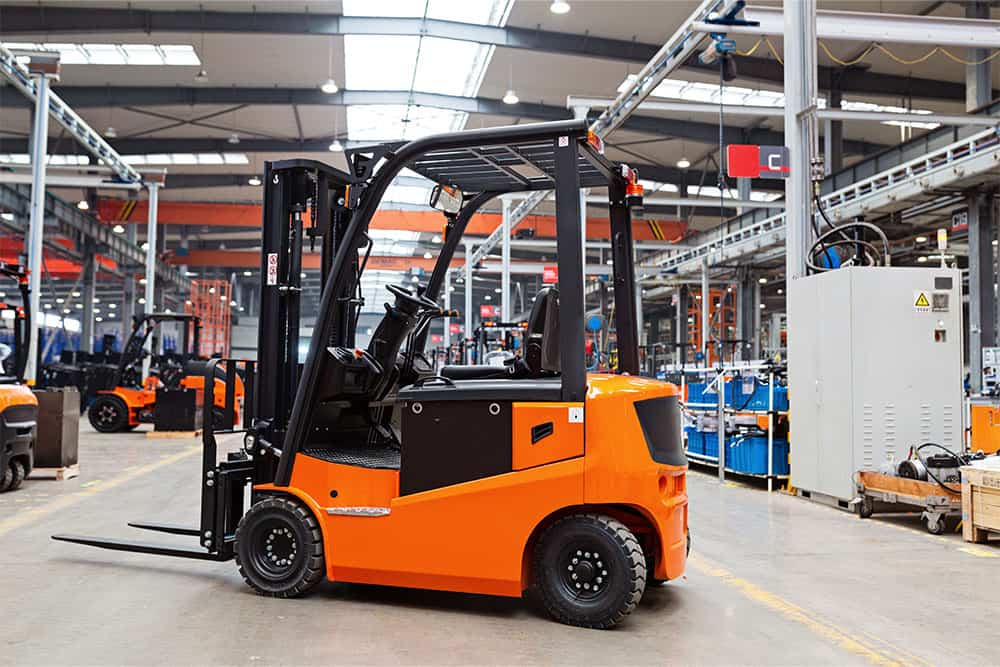
Warehouse operations demand efficiency, reliability, and consistent performance from forklifts. A lithium battery forklift offers a transformative solution for businesses aiming to optimize operations.
These batteries bring advanced energy technology to the material handling industry. This enables forklifts to work longer, charge faster, and perform better. Understanding how lithium batteries outperform traditional options helps businesses make informed decisions to improve productivity and sustainability.
Enhanced Charging Efficiency for Maximum Uptime
Lithium batteries for forklifts charge significantly faster than traditional lead-acid batteries. This fast charging reduces downtime and increases equipment availability. Therefore, it becomes easier to maintain productivity during peak operational hours.
Instead of waiting for hours, forklift operators can recharge a lithium battery during short breaks or downtime between shifts. The flexibility allows warehouses to keep forklifts operational throughout the day.
Opportunity charging is a key feature of a lithium battery forklift. It allows operators to partially recharge the battery as needed without negatively impacting its lifespan. This makes lithium batteries ideal for facilities running multiple shifts or handling time-sensitive deliveries. With no need for long resting periods after charging, businesses experience uninterrupted operations.
Additionally, the efficient charging process reduces energy waste. Lithium batteries convert electricity into usable power with minimal energy loss. They help warehouses meet sustainability goals. Over time, this translates into reduced energy consumption and increased cost savings.
Consistent Voltage for Reliable Performance
One of the significant advantages of lithium batteries is their ability to maintain consistent voltage throughout a shift. Unlike lead-acid batteries, which gradually lose power as they discharge, lithium batteries provide steady performance until their charge is depleted. This makes sure that forklifts operate at optimal capacity – allowing operators to complete tasks efficiently without disruptions.
Consistent voltage directly impacts forklift functionality. With steady power, forklifts can lift heavy loads, maintain speed, and operate attachments without noticeable drops in performance. The reliability improves workflow, especially in high-demand environments like warehouses that process large volumes of goods daily.
Lithium batteries also protect the forklift’s internal components by eliminating power fluctuations. Stable energy delivery prevents unnecessary wear and tear, extends the equipment’s lifespan, and reduces maintenance needs.
Increased Productivity with Minimal Downtime
Forklifts equipped with lithium batteries contribute to higher productivity by reducing downtime associated with charging and maintenance. Traditional lead-acid batteries require extensive upkeep, including watering, cleaning, and equalizing charges. These tasks can interrupt operations and lead to inefficiencies in warehouse workflows.
On the other hand, lithium batteries are virtually maintenance-free. Their sealed design eliminates the need for frequent inspections and upkeep. This allows operators to focus on their tasks without worrying about battery maintenance schedules. For warehouse managers, this means fewer disruptions and a smoother workflow.
Additionally, lithium batteries last longer on a single charge. Their high energy density allows forklifts to operate for extended periods, even in demanding environments. This means less time spent swapping batteries and more time spent moving goods. Warehouses can handle more tasks in less time. This will further help warehouses improve overall throughput and meet tight deadlines.
Simplified Maintenance and Longer Lifespan
Maintenance is a significant consideration when choosing a forklift battery. Traditional lead-acid batteries require regular watering and cleaning to prevent corrosion and maintain performance. Failing to complete these tasks can lead to reduced efficiency and costly repairs. Lithium batteries simplify this process by eliminating the need for regular maintenance altogether.
Lithium batteries feature sealed cells, which do not require watering or cleaning. This design reduces the risk of spills, leaks, and contamination in the warehouse environment. Without the need for specialized maintenance routines, warehouse staff can allocate their time to more critical operational tasks.
The lifespan of lithium batteries is another advantage. They typically last two to three times longer than lead-acid batteries. This helps reduce the frequency of replacements. The longevity translates into significant cost savings over time and contributes to sustainable practices by reducing waste. With lithium batteries, warehouses gain a long-term solution that supports their operational goals.
Environmental Benefits and Sustainability
Switching to lithium batteries aligns with the growing focus on sustainability in the logistics and material handling industry. Unlike lead-acid batteries, which contain hazardous materials such as sulfuric acid and lead, lithium batteries are an environmentally friendly option. They do not emit harmful gases during operation or charging. They are safer for warehouse staff and reducing the facility’s overall carbon footprint.
Lithium batteries are also more energy-efficient. Their advanced charging technology minimizes energy waste and enables warehouses to lower their energy consumption.
In addition, the long lifespan of lithium batteries reduces the frequency of disposal and replacement. This contributes to less battery waste in landfills and supports eco-conscious practices. Warehouses committed to environmental responsibility can benefit from integrating lithium technology into their operations.
Opportunity Charging for Flexible Operations
Lithium batteries enable flexible charging solutions that adapt to the fast-paced demands of modern warehouses. Unlike lead-acid batteries, which require full charging cycles to maintain performance, lithium batteries can be opportunity charged without degrading their capacity. This allows operators to recharge the battery during breaks, making sure forklifts remain operational throughout the day.
Opportunity charging eliminates the need for multiple batteries per forklift. Warehouses no longer have to allocate space for battery swapping stations or manage the logistics of storing spare batteries. This simplifies warehouse operations and reduces the costs associated with maintaining extra inventory.
For warehouses operating in multi-shift environments, opportunity charging is a game-changer. It assures forklifts are always ready to perform, even during peak hours.
Improved Safety for Operators and Equipment
Lithium batteries enhance safety standards in warehouse environments by eliminating several risks associated with traditional lead-acid batteries.
The sealed design of lithium batteries prevents leaks, spills, and emissions of hazardous gases like hydrogen. This makes them a safer choice for operators and reduces the likelihood of accidents caused by improper handling or maintenance.
Additionally, lithium batteries feature advanced battery management systems (BMS) that monitor and regulate their performance. These systems help prevent overheating, overcharging, and other potential issues that could compromise safety. Maintaining optimal operating conditions, lithium batteries protect both the forklift and the operator.
The compact size and lightweight design of lithium batteries also improve the forklift’s balance and stability. They reduce the risk of tipping during operation. These safety benefits make lithium batteries a reliable option for busy warehouse environments.
Enhanced Energy Efficiency
Energy efficiency is a priority for modern warehouses striving to reduce operational costs and environmental impact. Lithium batteries excel in this area by converting a higher percentage of electricity into usable energy compared to lead-acid batteries. This efficiency minimizes energy waste during charging and operation and results in lower electricity consumption over time.
Lithium batteries also retain their charge longer when not in use – reducing the need for frequent recharging. This feature is especially useful for warehouses with fluctuating workloads or seasonal demand. Lithium batteries help make sure that forklifts are ready for use whenever needed by maintaining their energy reserves.
The ability to maximize energy usage aligns with sustainability goals and supports cost-effective warehouse management. Facilities aiming to minimize their carbon footprint can benefit from the reduced energy consumption and waste associated with lithium technology.
Improved Performance in Extreme Temperatures
Warehouses operating in extreme temperature conditions often face challenges with traditional lead-acid batteries, which can lose efficiency in hot or cold environments. However, lithium batteries are designed to perform consistently across a wide range of temperatures. Their advanced chemical composition and thermal management systems assure reliable operation even in demanding settings.
In colder climates, lithium batteries maintain their charge and deliver consistent voltage without requiring additional equipment like battery warmers. In hot environments, their built-in thermal protection prevents overheating and extends battery life. These features make lithium batteries an ideal choice for warehouses dealing with fluctuating or extreme temperatures.
Space Savings and Simplified Logistics
Switching to lithium batteries can lead to significant space savings in warehouse facilities. Different from lead-acid batteries, which require dedicated rooms for charging and maintenance, lithium batteries can be charged on-site without the need for specialized infrastructure. This eliminates the need for battery-swapping stations and frees up valuable floor space for other operations.
The reduced footprint of lithium batteries also simplifies logistics. Warehouses no longer need to manage the storage and transport of spare batteries and streamline inventory management. With fewer components to handle, operations become more efficient, and potential delays caused by battery logistics are minimized.
These space and logistics advantages are particularly beneficial for warehouses operating in urban areas or facilities with limited storage capacity. Businesses can improve their operational efficiency and focus on core activities by optimizing the use of available space.
Long-term Cost Savings
While the initial investment in lithium batteries may be higher, their long-term cost savings make them a financially sound choice for warehouses. The extended lifespan of lithium batteries reduces the frequency of replacements and lowers capital expenses over time. Additionally, their maintenance-free design minimizes the labor and resources required for upkeep.
Lithium batteries also reduce energy costs due to their high efficiency and opportunity charging capabilities. Consuming less electricity and requiring fewer replacements, they contribute to a lower total cost of ownership compared to lead-acid batteries. These savings allow warehouses to allocate resources to other areas of operation and improve overall profitability.
Driving Warehouse Success with Lithium Technology
Green Power Forklift Batteries knows the unique demands of warehouse operations. Our wide selection of lithium-ion batteries for forklifts delivers the reliability, efficiency, and safety your fleet requires.
In addition to lithium batteries, we offer forklift battery products tailored to support businesses of all sizes. With decades of experience, we are committed to helping your warehouse achieve seamless operations and enhanced productivity. Choose our solutions today.
