Green Power Forklift Batteries: Performance and Reliability for Crown Lift Trucks

Green Power Forklift Batteries: Performance and Reliability for Crown Lift Trucks

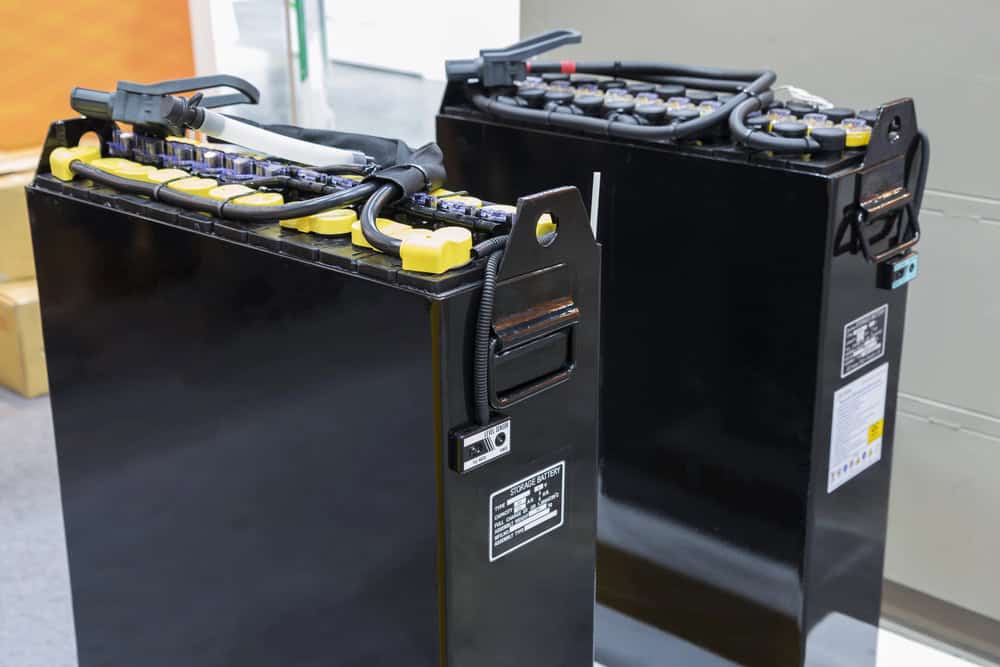
Material handling operations depend on power systems that respond predictably under constant load. Crown forklift batteries play a major role in how lift trucks perform across long shifts, tight aisles, and temperature-variable environments. 

Understanding how these batteries manage output, charging behavior, and operational consistency helps fleet managers make informed decisions. 

This guide explains how to evaluate Crown forklift batteries based on performance characteristics, power delivery, and long-term reliability, while also clarifying how modern battery options influence productivity, planning, and overall equipment efficiency.

Performance Expectations in Demanding Operations

Crown forklift batteries are commonly used in warehouses that operate multiple shifts with limited downtime. Performance in these environments depends on consistent voltage delivery and stable capacity throughout the discharge cycle. Batteries that hold output under load allow lift and travel functions to remain predictable, even during peak activity. This stability helps operators maintain work pace without compensating for sluggish response or reduced lift speed as charge levels drop.

Battery performance also affects how often equipment requires charging. Units designed for steady discharge patterns help managers schedule charging windows without interrupting workflow. In facilities with opportunity charging practices, predictable performance reduces strain on charging infrastructure and simplifies daily planning.

Power Delivery and Charging Behavior

Power output is not only about capacity, but also how energy flows during use and recharge. Crown forklift batteries are available in configurations that accommodate traditional charging cycles as well as more flexible charging approaches. Faster charge acceptance can reduce idle time between shifts, while controlled charge profiles help maintain consistent internal conditions.

Charging behavior also impacts battery availability. Batteries that tolerate partial charges without irregular degradation allow fleets to adapt to fluctuating workloads. This flexibility benefits operations that cannot dedicate long, uninterrupted charging periods. 

Battery Technology Options for Crown Lift Trucks

Crown lift trucks can operate with both lead-acid and lithium-ion battery systems. Each option brings different considerations related to charging, maintenance, and space requirements. Lead-acid batteries remain common in many fleets due to familiarity and upfront cost structure. Lithium-ion systems, by contrast, offer sealed designs, faster charge acceptance, and reduced daily maintenance tasks.

When evaluating forklift batteries for Crown lift trucks, it is important to consider how battery weight, dimensions, and electrical compatibility align with truck design. Proper fit affects not only safety but also handling characteristics and overall equipment balance. 

Battery selection should reflect duty cycle intensity rather than defaulting to one technology across all applications.

Reliability Through Consistent Output

Reliability in forklift batteries is closely tied to how well they maintain output over time. Batteries that exhibit predictable degradation patterns allow facilities to plan replacements based on usage data rather than unexpected performance drops. Consistent runtime across shifts reduces the need for spare batteries and minimizes unplanned downtime.

Voltage stability under load also protects motors, controls, and onboard electronics from unnecessary strain. Batteries that deliver steady power help extend component service intervals and reduce maintenance disruptions. 

Fit, Compatibility, and Fleet Standardization

Battery compatibility extends beyond voltage and capacity ratings. Tray dimensions, connector placement, and ventilation requirements must align with Crown lift truck specifications. Using batteries designed to match these parameters reduces the risk of improper installation or uneven weight distribution.

For fleets operating multiple Crown models, standardized battery options simplify inventory management. Fewer battery variations make replacement planning more efficient and reduce errors during ordering. Facilities seeking compatible options can review forklift batteries for Crown lift trucks to match specifications accurately without unnecessary modifications.

How Green Power Forklift Batteries Helps Your Fleet Move Forward

At Green Power Forklift Batteries, we focus on matching Crown forklift batteries to real operating conditions, not assumptions. We offer a full line of new forklift batteries to move your fleet forward, backed by competitive pricing, exceptional customer service, and our industry-leading 7-year warranty on most new units. Our goal is to make battery selection straightforward and practical by emphasizing our simple and quick quote/order process.

If you want guidance tailored to your equipment and workload, contact us to start the conversation.

Daewoo Forklift Battery Specifications Breakdown

Daewoo Forklift Battery Specifications Breakdown

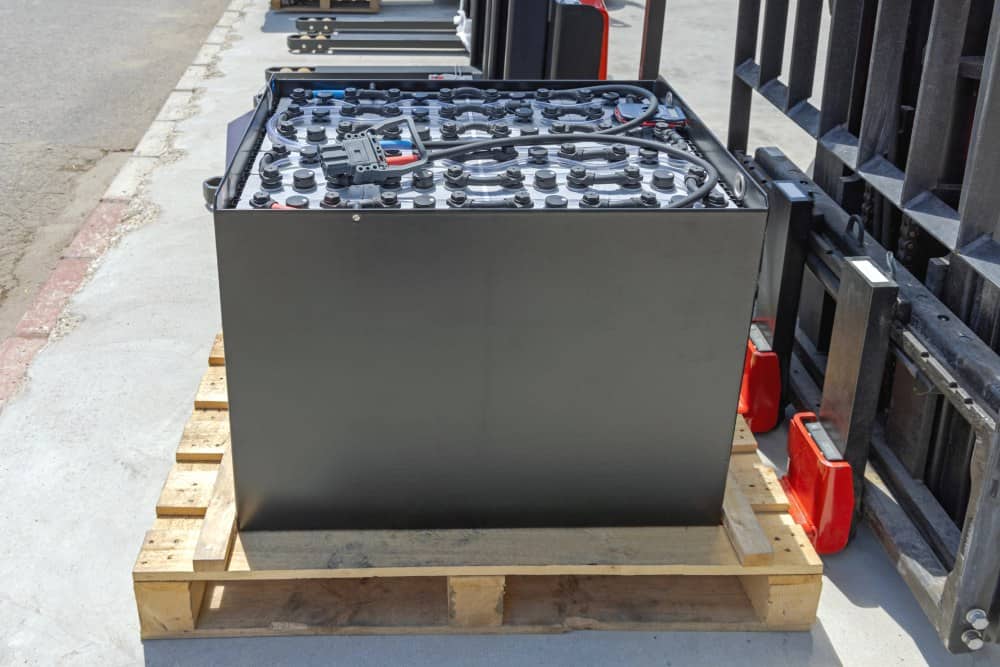
Electric forklift performance depends heavily on battery configuration, especially for brands like Daewoo, now operating under Doosan. Selecting the correct Daewoo forklift battery involves more than matching voltage. 

Capacity, weight, compartment dimensions, and duty cycle alignment all influence stability, runtime, and long-term operating consistency. Many Daewoo electric models operate in demanding warehouse and manufacturing environments, which place steady pressure on battery output.

Understanding how these specifications align with equipment requirements helps fleet managers avoid mismatches that affect productivity, charging schedules, and overall equipment behavior.

Common Voltage Platforms Used by Daewoo Forklifts

Daewoo electric forklifts typically rely on 36V and 48V battery systems. Smaller capacity trucks, including many walkie and mid-range counterbalance units, often use 36V configurations. These systems balance runtime needs with manageable battery weight. Larger trucks handling heavier loads or longer shifts frequently require 48V systems to maintain steady output under sustained demand.

Voltage selection directly affects motor response and lift consistency. A properly matched voltage allows the truck to operate within its intended electrical range without strain on internal components.

Amp Hour Capacity and Duty Cycle Alignment

Amp hour ratings for Daewoo forklift batteries commonly range from 400 Ah to well over 1,000 Ah at the five-hour rate. Lower capacity batteries suit light to moderate duty cycles with planned charging windows. Higher capacity options accommodate extended shifts, heavier lifting, or applications with limited charging access.

Capacity selection should align with real-world usage rather than nameplate assumptions. Oversized batteries add unnecessary weight, while undersized units lead to frequent charging interruptions. Balanced capacity planning helps maintain predictable runtime and stable discharge behavior throughout shifts.

Battery Weight and Counterbalance Requirements

Battery weight plays a dual role in Daewoo electric forklifts. Beyond energy storage, the battery also functions as a counterweight. Many Daewoo models specify minimum battery weights ranging from approximately 2,300 pounds to more than 3,400 pounds, depending on truck size and lift capacity.

Using a battery that falls below weight requirements affects stability and load handling. Correct weight alignment preserves the truck’s designed center of gravity and maintains safe operation during lifting and travel.

Compartment Dimensions and Physical Fit

Battery compartments vary across Daewoo forklift models. Common 48V compartments often measure approximately 38 inches by 30 inches by 23 inches, though dimensions vary by series and capacity class. Accurate compartment measurements remain essential before selecting a replacement battery.

Proper fit prevents movement within the tray, protects electrical connections, and allows ventilation to function as designed. Mismatched dimensions introduce handling risks and complicate installation.

Lead-Acid and Lithium-Ion Battery Options

Flooded lead-acid batteries remain common across Daewoo electric fleets due to predictable performance and broad charger compatibility. Maintenance-free lead-acid options reduce watering tasks while maintaining familiar charging profiles.

Lithium-ion batteries have become an alternative for operations focused on opportunity charging and reduced maintenance tasks. These systems follow different charging behavior and do not require equalization cycles. Facilities considering lithium-ion should review charging infrastructure and usage patterns before making changes.

For operations evaluating replacements, reviewing available options through forklift batteries for Daewoo lift trucks helps clarify configuration compatibility.

Charger Matching and Charging Behavior

Battery performance depends heavily on charger alignment. Voltage, amp output, and charging profile must match battery specifications. Incorrect charger pairing shortens usable capacity and introduces irregular charge cycles.

Facilities updating batteries often review new forklift batteries alongside charger compatibility to maintain stable charging behavior across shifts.

How Green Power Forklift Batteries Help You Move Forward

At Green Power Forklift Batteries, we help fleets match Daewoo forklift battery specifications to real operating demands. Our focus stays on dependable new battery options, clear guidance, strong warranty coverage on most new units, and responsive service across the United States and Canada.

If you need help selecting the right configuration or planning a replacement, contact us to keep your fleet operating with confidence.

Benefits of Using Green Power Forklift Batteries as Your Blue Giant Forklift Batteries: Size Options and Cost Breakdown

Benefits of Using Green Power Forklift Batteries as Your Blue Giant Forklift Batteries: Size Options and Cost Breakdown

Battery selection directly shapes equipment performance, charging routines, and long-term operating costs. Blue Giant forklift batteries are commonly used in walkie stackers, pallet jacks, and compact electric forklifts, where space limits and counterweight requirements influence battery design. Understanding how Blue Giant forklift batteries are sized and priced helps fleet managers avoid fit issues, mismatched chargers, and budget surprises. 

This guide reviews common size formats, voltage ranges, and cost factors while outlining what buyers should evaluate before placing an order. Accurate battery selection improves uptime and reduces operational disruption across daily warehouse activity.

Understanding Battery Sizing for Blue Giant Equipment

Blue Giant forklift batteries are typically industrial lead-acid traction batteries built to match specific truck compartments. Battery size depends on tray dimensions, cell height, and overall weight, not just voltage. Many Blue Giant walkie units rely on compact 24-volt systems that balance runtime with maneuverability. Larger electric models move into higher voltage ranges to handle heavier loads and longer duty cycles.

Battery identification usually includes both voltage and cell series. Common 85-series cells appear across several Blue Giant models, with variations in length and width to match different truck frames. Selecting the correct size helps maintain proper weight distribution, electrical alignment, and ventilation inside the battery compartment. Incorrect sizing may lead to instability, reduced runtime, or charger incompatibility.

Common Blue Giant Battery Size Options

Several battery configurations appear frequently in Blue Giant lift trucks. Many walkie stackers and pallet jacks operate on 24-volt batteries designed for narrow compartments. These units often feature tray lengths between twenty-five and thirty-one inches, with widths adjusted for specific truck designs.

Some compact equipment uses 12-volt battery arrangements paired to meet system requirements. Heavier electric trucks move into 48-volt systems, which require longer trays and higher overall weight. These higher voltage batteries help manage sustained lifting demands while maintaining consistent power delivery. Battery size selection must always align with the exact truck model and data plate specifications.

For buyers sourcing forklift batteries for Blue Giant lift trucks, confirming tray dimensions, connector type, and charger voltage remains a key step before ordering.

Cost Breakdown For Blue Giant Forklift Batteries

Pricing for Blue Giant forklift batteries varies based on voltage, amp-hour capacity, and construction quality. Most 24-volt systems used in walkie equipment fall within a moderate price range, reflecting their compact size and lower capacity. These batteries typically represent the most economical option for light to medium-duty operations.

Larger 48-volt batteries designed for heavier trucks cost more due to additional cells, increased weight, and higher material requirements. Charger compatibility also influences total investment, especially when upgrading from older equipment.

Extended warranty options, delivery logistics, and installation services may affect final pricing. Many suppliers also factor in core credits when old batteries are returned, which can offset part of the purchase cost. Understanding these variables helps buyers compare quotes accurately rather than focusing only on base price.

Operational Factors That Influence Battery Choice

Battery weight plays a dual role in Blue Giant equipment. In many models, the battery acts as part of the counterbalance system. Selecting a battery outside recommended weight ranges may affect lift stability and steering response.

Charging schedules also shape battery selection. Facilities with limited charging windows may favor batteries with higher amp-hour ratings to extend runtime between charges. Charger matching remains just as important, since mismatched voltage or capacity settings can shorten battery life or disrupt daily workflows.

Get The Right Blue Giant Battery Fit

At Green Power Forklift Batteries, we help fleets select the correct battery size and voltage for Blue Giant equipment without guesswork. We focus on dependable new forklift batteries, strong warranty coverage, clear timelines, and straightforward communication. Our team works across the United States and Canada to simplify ordering and installation. 

If you need accurate sizing or pricing guidance, contact us to keep your fleet operating with confidence.

11 Benefits of Using Green Power Batteries as Your Clark Forklift Batteries

11 Benefits of Using Green Power Batteries as Your Clark Forklift Batteries

Power selection shapes how efficiently electric lift trucks perform across demanding industrial settings. Clark forklift batteries are engineered to handle real workload pressures, including heavy lifting, repeated charging cycles, and variable operating conditions. Selecting the right battery affects uptime, charging flexibility, and long-term cost predictability. 

Operations teams researching Clark forklift batteries often evaluate features that influence daily productivity rather than headline specifications alone. From voltage stability to thermal control, each design element plays a role in maintaining steady performance throughout a shift. 

Businesses sourcing forklift batteries for Clark lift trucks benefit from understanding how these features support operational consistency, reduce interruptions, and align battery investment with actual warehouse demands.

High Energy Density for Consistent Power Delivery

Energy density defines how much usable power a battery stores within a given physical footprint. Clark forklift batteries leverage optimized energy density to deliver reliable output without unnecessary bulk. This design approach allows lift trucks to maintain proper counterbalance while supporting compact battery compartments common in modern warehouse layouts. 

Stable energy storage also supports predictable voltage delivery throughout the discharge cycle, which helps operators maintain smooth acceleration and lift control. When energy density remains consistent, trucks avoid late-shift power dips that slow productivity. 

For fleet managers, this feature simplifies battery selection by aligning physical size, weight, and output with equipment specifications. Energy density directly influences handling precision, runtime reliability, and space efficiency, making it a performance-driven characteristic rather than a purely technical metric.

Extended Cycle Life That Limits Replacement Disruption

Cycle life reflects how well a battery retains usable capacity after repeated charging and discharging. Clark forklift batteries are engineered to handle demanding duty cycles while maintaining consistent output over time. Longer cycle stability allows facilities to plan replacements with fewer unexpected interruptions. 

Predictable capacity retention helps maintain steady runtime across shifts, reducing the need for mid-shift battery changes. In high-traffic warehouses, fewer replacements help keep operations moving without disruption. Cycle life also influences charging infrastructure planning, as batteries with consistent degradation patterns allow more accurate scheduling. 

This characteristic helps control costs by aligning battery investment with real usage rather than early replacement caused by uneven performance.

Integrated Battery Management Systems

Battery management systems regulate internal conditions such as voltage balance, temperature, and charge limits. In Clark forklift batteries, these systems maintain controlled performance during both operation and charging. 

Real-time monitoring detects irregular behavior early, lowering the risk of unexpected shutdowns. Balanced cell regulation promotes uniform discharge, helping preserve internal components and sustain steady output. These systems also promote safer charging practices by limiting overcharge and deep discharge scenarios. 

For facilities that monitor equipment performance, battery management systems deliver valuable operational insight without adding complexity to daily use.

Fast Charging Capability That Preserves Availability

Charging speed has a direct impact on fleet availability. Clark forklift batteries designed for faster charging reduce idle time between shifts or during opportunity charging windows. Shorter charging cycles allow trucks to return to service quickly without compromising power stability. 

This flexibility benefits facilities with fluctuating workloads or limited spare equipment. Controlled charging profiles help safeguard internal battery structure while allowing frequent partial charges. 

Faster charging improves scheduling adaptability and helps maintain consistent throughput across extended operating hours.

Adaptability to Temperature Variations

Warehouse environments often expose batteries to temperature extremes, from refrigerated storage areas to warm production floors. Clark forklift batteries are built to maintain stable output across a wide range of operating conditions. 

Temperature adaptability helps preserve capacity and discharge consistency despite environmental changes. Batteries that tolerate temperature variation reduce seasonal performance shifts that interrupt productivity. 

This capability promotes safe operation by managing thermal stress during extended use. Environmental adaptability also simplifies battery selection for facilities operating across multiple regions or climate-controlled zones.

Industrial-Grade Construction for Daily Demands

Forklift batteries are exposed to vibration, repeated movement, and heavy load cycles. Clark forklift batteries feature durable construction that shields internal components from physical stress. 

Reinforced casings and stable internal layouts help preserve performance integrity during daily operation. Strong construction also enhances safety during handling and installation. 

Over time, structural resilience minimizes downtime caused by physical damage. For high-usage fleets, build quality plays a major role in long-term reliability and consistent operation.

Compatibility Across Clark Lift Truck Models

Battery fit directly affects both safety and performance. Clark forklift batteries are designed to match a wide range of Clark lift truck configurations. Proper compatibility allows correct weight distribution, precise electrical alignment, and effective ventilation. 

Standardized fit minimizes the need for modifications that increase risk. For mixed fleets, compatibility streamlines inventory planning by reducing the number of battery variations required. Accurate fit also preserves predictable handling characteristics intended by equipment design.

Stable Voltage Under Heavy Load Conditions

Heavy lifting places sustained demand on battery output. Clark forklift batteries maintain stable voltage during load-intensive tasks, allowing consistent lift speed and travel response. Voltage stability prevents sluggish performance during peak workload periods. 

It also shields electrical systems from fluctuations that strain motors and controls. Consistent output helps operators maintain productivity while extending component service intervals.

Safety-Oriented Design Elements

Safety-focused design lowers operational risk. Clark forklift batteries incorporate thermal regulation, controlled charging behavior, and protective enclosures. These elements limit overheating and reduce exposure risks during normal operation. 

Built-in safeguards help meet workplace safety standards without adding procedural complexity. Safety-oriented design contributes to predictable behavior during both charging and active use.

Efficient Charger Integration

Battery performance depends on charger compatibility. Clark forklift batteries integrate smoothly with modern charging systems to maintain balanced charge cycles. Proper integration keeps batteries ready for use while protecting internal components. 

Effective charger interaction also helps facilities manage electrical load distribution. This capability simplifies deployment and contributes to long-term performance consistency.

Predictable Output for Fleet Planning

Predictable battery behavior improves operational planning. Clark forklift batteries deliver consistent discharge patterns that help managers schedule shifts, charging, and replacements with confidence. Reliable output reduces uncertainty during extended operations.

Predictability also simplifies standardization across multiple locations. Consistent performance allows battery behavior to align with operational expectations rather than forcing workflow adjustments.

Ready to Upgrade Your Clark Forklift Battery Setup

At Green Power Forklift Batteries, we work directly with operations teams to match Clark lift trucks with new batteries that deliver stable performance and long-term value. Our focus is on clear recommendations, competitive pricing, fast lead times, and responsive customer service across the United States and Canada. All of our new forklift batteries are backed by our industry-leading 7-year warranty, and we emphasize a simple and quick quote/order process.

If guidance or pricing details are needed, you can contact us for direct assistance.

Understanding Barrett Forklift Batteries: Size And Price Guide

Understanding Barrett Forklift Batteries: Size And Price Guide

Battery selection directly shapes forklift performance, operating stability, and long-term cost control. For fleet managers working with Barrett equipment, understanding battery specifications helps align power requirements with truck design and workload demands. These batteries vary widely in physical dimensions, amp-hour capacity, and pricing structure, which means selection goes beyond matching voltage alone.

Factors such as compartment size, shift length, charging routines, and weight balance influence compatibility. Reviewing new forklift batteries alongside equipment requirements allows buyers to plan replacements with fewer surprises and clearer cost expectations.

How Barrett Forklift Batteries Are Sized

Barrett forklifts rely on industrial battery configurations designed to fit specific compartments while supporting truck counterbalance needs. Battery size refers to more than footprint. Length, width, height, and total weight must match truck specifications to maintain stability and proper axle loading.

An undersized battery can affect traction and lifting control, while an oversized unit may strain the compartment or interfere with proper seating. Focusing on forklift batteries for Barrett lift trucks helps narrow options based on actual truck data rather than general assumptions.

Voltage requirements usually align with standard industrial classes, yet amp-hour capacity varies based on run-time expectations. Multi-shift operations often require higher capacity batteries to support consistent output across extended work cycles. Accurate sizing begins with the truck data plate and compartment measurements, followed by a realistic assessment of daily operating demands.

Understanding Capacity And Performance Expectations

Capacity defines how long a forklift operates before recharge. Barrett forklift batteries selected with insufficient capacity often show early voltage drop, reduced lift speed, and shorter operating windows. Higher capacity batteries support consistent performance across longer shifts but also add cost and weight.

Charging habits influence how capacity performs in real conditions. Operations with structured charge cycles often succeed with standard capacities, while irregular usage patterns benefit from higher reserves. Selecting the right balance helps control energy costs while maintaining steady truck response.

Price Factors That Affect Barrett Forklift Batteries

Pricing for Barrett forklift batteries reflects several variables beyond brand name. Battery size, plate thickness, internal construction, and lead content all influence cost. Larger batteries with higher amp-hour ratings carry higher material expenses, which increases overall pricing.

Warranty coverage also affects value assessment. Longer warranties often reflect higher build standards and confidence in long-term performance. Freight, installation logistics, and regional availability further shape final cost, especially for heavier battery assemblies.

Buyers comparing options should evaluate total ownership cost rather than focusing solely on upfront pricing.

New Versus Alternative Battery Options

New batteries remain the preferred choice for operations that prioritize reliability and long-term planning. Our selection of new forklift batteries supports Barrett forklifts across multiple configurations, offering consistent performance and strong warranty coverage.

Some fleets also evaluate alternative chemistries based on usage style. Lithium systems attract interest due to charging flexibility and reduced maintenance requirements, though compatibility and upfront cost require careful review. Traditional lead-acid batteries continue to serve many Barrett trucks effectively when sized and managed correctly.

How Green Power Forklift Batteries Supports Barrett Battery Decisions

Choosing the right Barrett forklift battery comes down to accurate sizing, realistic capacity planning, and a clear view of long-term operating costs. With informed selection, fleets can protect performance while avoiding unexpected downtime or replacement expenses.

At Green Power Forklift Batteries, we work with fleets across the United States and Canada to simplify Barrett forklift battery selection. Our team focuses on correct sizing, fair pricing, and fast quotes backed by strong customer support. With multiple battery options, installation assistance, and a recycling program, we help operations transition smoothly without unnecessary complexity or downtime.

Key Benefits Of Using Green Power Batteries as your CAT Forklift Batteries

Key Benefits Of Using Green Power Batteries as your CAT Forklift Batteries

A CAT lift truck is only as productive as the power source driving it. To keep a fleet running at peak efficiency, operations managers need power systems that align with real-world demands—not just what came standard from the factory.

When it comes time to source CAT forklift batteries, the goal isn’t just to find a replacement; it’s to find a solution that addresses charging behavior, energy efficiency, and consistent output under heavy loads. At Green Power Forklift Batteries, we specialize in providing high-performance new and refurbished batteries specifically engineered to meet the rigorous specifications of CAT equipment.

Consistent Power Output Across Every Shift

CAT forklifts are known for their durability, but “voltage drop” in low-quality batteries can lead to sluggish travel speeds and reduced lift capacities late in a shift. The high-performance batteries we provide for CAT trucks maintain a steadier voltage curve.

This consistency ensures your operators experience the same power at hour eight as they did at hour one. Furthermore, stable power output reduces the electrical strain on your CAT truck’s motors and controllers, helping to preserve your equipment’s internal components and prevent premature wear.

Faster Charging and Greater Operational Flexibility

Modern warehouses can’t afford to let equipment sit idle. Whether you are looking for traditional lead-acid or advanced lithium-ion CAT forklift batteries, the right configuration allows for faster charge acceptance.

By utilizing high-quality power cells that support “opportunity charging” during breaks and shift changes, your facility can reduce the need for time-consuming battery swaps. We help you select the battery technology that fits your specific workflow, allowing your CAT fleet to stay in service longer with less downtime.

Reducing Maintenance Costs and Labor

Battery maintenance can be a hidden drain on your labor budget. We offer a range of low-maintenance and maintenance-free options for CAT lift trucks, including sealed designs that eliminate the need for watering, acid checks, and corrosion cleanup.

Transitioning to these systems allows your maintenance team to focus on core equipment needs rather than managing a battery room. Additionally, choosing the right battery reduces the risk of acid spills, creating a cleaner and safer environment for your operators.

Why Source Your CAT Forklift Batteries from Green Power?

While many owners think they have to return to the original equipment dealer for replacements, the reality is that you can often find better lead times, more transparent pricing, and more flexible options by working with a dedicated power specialist.

At Green Power Forklift Batteries, we bridge the gap between OEM quality and aftermarket value. We don’t just sell you a box; we ensure it is the exact fit for your specific CAT model.

  • New & Refurbished Options: Whether you need the longevity of a brand-new battery or the cost-savings of our eco-friendly refurbished units, we have options to fit your budget.
  • Expert Sizing: We ensure your battery meets the exact weight and minimum AH requirements for your CAT truck to maintain safety and counterweight balance.
  • Nationwide Reach: We coordinate delivery, charger compatibility, and installation across the U.S. and Canada through our established dealer networks.
  • Streamlined Quoting: No long wait times or dealer markups. We provide clear, fast quotes to get your equipment back in action.

Get a Quote for Your CAT Lift Truck Today

Don’t let a failing battery slow down your operation. If you are looking for reliable, high-capacity CAT forklift batteries that offer a perfect fit and dependable warranty, our team is ready to help.

Request a Quote for CAT Forklift Batteries Here

How To Tell If A Forklift Battery Is Bad

How To Tell If A Forklift Battery Is Bad

Voltage loss rarely appears without warning. Operators often notice subtle changes long before a truck stops mid-shift. Understanding how to tell if a forklift battery is bad helps decision-makers avoid unexpected downtime, safety concerns, and rushed replacements. Battery performance reflects daily use, charging habits, and operating conditions, not just age.

Recognizing early warning signs allows warehouse teams to act with confidence, plan replacements responsibly, and protect equipment investment. These indicators also help determine when transitioning to dependable options such as new forklift batteries becomes a practical step rather than a reactive one.

Changes in Charging Behavior Signal Trouble

Charging patterns offer one of the earliest insights into battery condition. A battery that takes longer than normal to reach a full charge often struggles internally. Slower charge completion suggests reduced efficiency inside the cells, which limits how much energy the battery can accept and store. In some operations, this decline leads teams to evaluate alternative technologies, including lithium-Ion batteries for forklifts, which follow a different charging profile.

In other cases, chargers appear to finish normally, yet the battery delivers shorter run time afterward. That mismatch points to declining capacity rather than charger issues. When charging behavior changes without adjustments to workload or environment, the battery itself deserves attention.

Shortened Run Time Affects Daily Operations

Reduced run time stands out quickly in active facilities. Forklifts that once completed full shifts without interruption may need charging earlier or require opportunity charging more often. That shift disrupts workflow and increases strain on chargers and operators.

Fast power drain often pairs with inconsistent lifting strength or slower travel speeds. These symptoms reflect limited energy delivery rather than mechanical faults. As capacity drops, voltage stability weakens, which impacts truck performance under load.

Heat and Odor Indicate Internal Stress

Excessive heat during or after operation signals internal resistance. Batteries should warm slightly during use, yet noticeable heat buildup suggests energy loss rather than efficient output. Heat accelerates internal wear and increases safety risk inside battery rooms.

A sulfur or rotten egg odor during charging also points to internal imbalance. This smell often accompanies overheating or electrolyte stress. Facilities should treat these signs seriously, as they indicate declining battery health and potential safety exposure.

Visual Clues Reveal Declining Condition

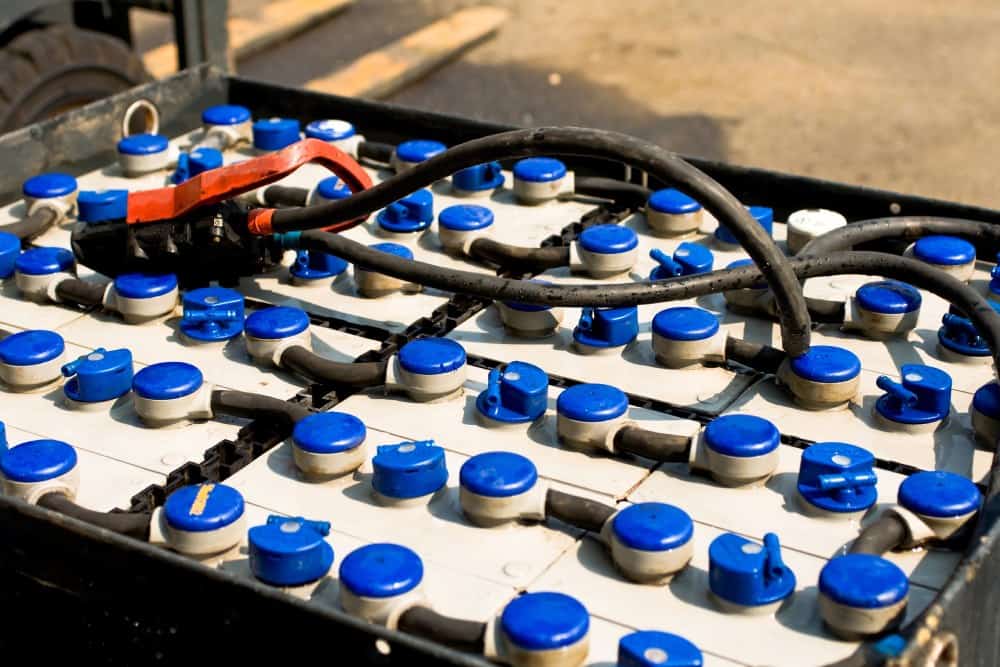
Physical inspection remains an important habit. Corrosion around terminals, acid residue on battery tops, or visible leaks signal internal or containment issues. These conditions interfere with electrical flow and raise safety concerns for operators and maintenance staff.

Cracks, bulging cases, or damaged connectors reflect structural stress that compromises reliability. Visible damage rarely improves with continued use. Ignoring these clues often leads to sudden failure during operation rather than controlled replacement planning.

Voltage Testing Highlights Performance Gaps

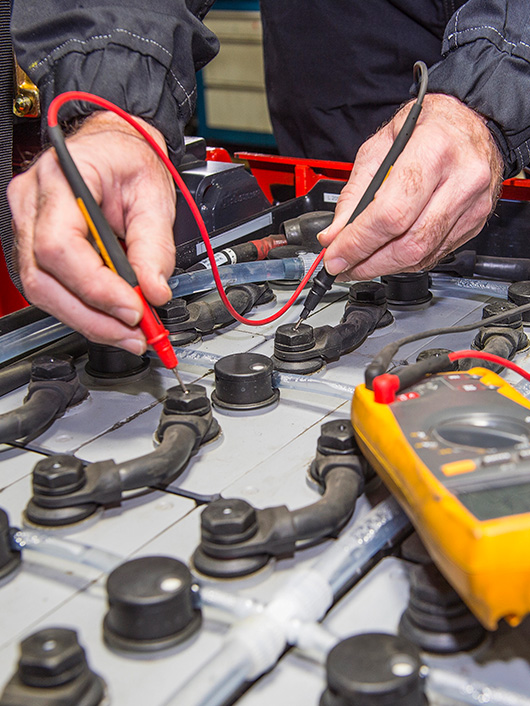
Voltage readings offer objective insight when performance symptoms appear. A fully charged battery should reflect stable voltage between 2.1 and 2.2 volts per cell. Lower-than-expected readings after charging point to capacity loss or internal cell imbalance.

Testing confirms what operators experience daily. When voltage remains low despite proper charging, replacement becomes the responsible path rather than continued operation with reduced output.

Battery Age Versus Battery Condition

Battery age alone does not define performance. Usage patterns, charging discipline, and environmental exposure influence long-term reliability. Some batteries decline faster under heavy cycling, while others maintain stable output for extended periods.

Operational signs matter more than calendar age. Facilities that monitor performance indicators gain clearer insight into replacement timing. This approach reduces guesswork and aligns investment with actual operating needs rather than assumptions.

Replacement Decisions Reduce Risk

When performance issues stack up, replacement planning protects productivity. Continuing to rely on weakened batteries increases downtime, safety exposure, and operational stress. Transitioning to dependable new forklift batteries supports stable output, predictable charging behavior, and long-term planning backed by strong warranty coverage.

Some operations also evaluate sealed alternatives. Lithium-Ion batteries for forklifts eliminate watering requirements and reduce daily battery room demands, offering a different maintenance profile for specific use cases.

Operational Awareness Protects Equipment Investment

Understanding how forklift batteries respond under real conditions empowers better decisions. Operators notice changes first, while managers connect those observations to replacement planning. Addressing performance decline early supports safer work environments and steadier productivity.

Battery health reflects the balance between use, care, and application fit. Recognizing warning signs keeps operations proactive rather than reactive.

How We Help at Green Power Forklift Batteries

Battery issues rarely appear overnight. Recognizing performance changes early allows teams to plan replacements carefully and maintain reliable forklift operation without disruption.

At Green Power Forklift Batteries, we help operations identify the right time to replace underperforming batteries with dependable solutions. We focus on quality replacement options, strong customer support, and simple quoting.

Our new batteries carry a seven-year warranty on most models, backed by responsive service and nationwide reach, so teams can move forward with confidence and clarity.

Can You Wash A Forklift Battery?

Battery rooms rarely draw attention until residue starts spreading across battery tops, cables heat faster than expected, or voltage drops appear without warning. At that point, one question usually comes up fast: can you wash a forklift battery without causing damage or regulatory trouble?

The short answer is yes, but only with a clear understanding of safety practices, legal boundaries, and battery chemistry.

Washing plays a role in responsible lead-acid battery care, especially for operations that rely on dependable power from properly selected equipment such as new forklift batteries. Done incorrectly, however, washing can introduce safety and compliance risks that outweigh its benefits.

Why Forklift Batteries Accumulate Residue

Lead-acid forklift batteries release small amounts of electrolyte mist during normal charge cycles. Over time, that mist settles on battery covers and trays. Mixed with dust and debris, it forms a conductive layer that interferes with proper electrical flow.

This surface contamination can increase self-discharge, raise operating temperatures, and strain connectors. Regular cleaning limits these risks and supports stable operation across demanding warehouse environments.

By contrast, sealed systems such as lithium-Ion batteries for forklifts do not release electrolyte mist, which explains why washing requirements differ by battery type.

Safety Comes First During Battery Washing

Forklift batteries contain sulfuric acid and lead, both of which pose real hazards during cleaning. Direct contact can result in chemical burns or eye injuries, and improper handling can expose workers to harmful fumes. Personal protective equipment is not optional.

Workers should wear acid-resistant gloves, eye protection, face shields, aprons, and chemical-rated footwear. Battery handling tools also matter. Proper lifting devices and stable wash stations reduce spill risk and protect employees during the process. OSHA guidelines address both protective gear and handling practices, making compliance part of daily battery room operations rather than a one-time task.

Legal Considerations You Cannot Ignore

Washing a forklift battery creates wastewater that may contain lead and acidic compounds. Environmental regulations treat this water as potentially hazardous waste. Under federal law, disposal rules apply even to small volumes. Testing procedures such as the Toxicity Characteristic Leaching Procedure determine how wastewater must be managed.

Many facilities limit disposal challenges by using closed-loop wash systems that capture, neutralize, and reuse water. These systems reduce discharge frequency and help operations stay within regulatory limits. In some cases, outside service providers take responsibility for wastewater handling, shifting compliance obligations away from the battery owner. Understanding who holds responsibility under environmental law matters as much as the wash itself.

How Often Should Forklift Batteries Be Washed

Wash frequency depends on operating conditions. Batteries used in dusty warehouses or high-humidity environments may need more attention than those in controlled spaces. Monthly washing serves as a common benchmark for many fleets, though some facilities adjust schedules based on visual inspection and performance data.

Washing should follow charging, not precede it. Charging causes electrolyte expansion, and cleaning afterward reduces overflow risk. Watering practices also play a role. Deionized water keeps electrolyte levels stable and limits mineral contamination that shortens battery service life.

Battery Washing Versus Battery Maintenance Myths

Washing addresses surface contamination only. It does not repair internal battery damage, restore lost capacity, or correct plate degradation. Confusing cleaning with repair leads to unrealistic expectations and delayed replacement decisions. Proper washing supports stable performance, but it does not reverse aging.

This distinction matters when evaluating replacement timelines. For many operations, upgrading to dependable new forklift batteries offers predictable output, strong warranty coverage, and reduced downtime compared to extended maintenance of aging units. Battery care and battery replacement work together, not against each other.

Special Considerations for Different Battery Types

Lead-acid batteries require routine washing and watering. Lithium-based systems operate differently. They remain sealed, do not release electrolyte mist, and eliminate the need for watering or surface washing. Facilities transitioning part of their fleet to lithium-Ion batteries for forklifts often see reduced battery room maintenance and simplified compliance tasks.

That difference does not make one option universally better. Lead-acid batteries remain common across many fleets due to cost structure and compatibility. Understanding cleaning needs helps decision-makers match battery technology to operational priorities rather than assumptions.

Where Green Power Forklift Batteries Fits In

Washing a forklift battery can support safe operation when done correctly and within regulatory limits. Understanding when and how to clean helps facilities protect equipment while avoiding unnecessary compliance risk.

At Green Power Forklift Batteries, we work with operations that want reliable power without unnecessary complexity. We focus on replacement solutions, not repair or reconditioning services. Our lineup includes our own brand of new lead-acid forklift batteries, supported by strong warranty coverage and practical lead times, along with reconditioned options, BBI batteries, chargers, and lithium-ion systems.

We help customers across the United States and Canada choose batteries that match their maintenance approach, compliance goals, and budget priorities.

Big Joe Forklift Battery Size And Price: What You Need To Know

Big Joe Forklift Battery Size And Price: What You Need To Know

Electric pallet trucks and forklifts rely on battery systems that do more than supply voltage. A Big Joe forklift battery must match equipment design, shift intensity, and weight balance to support stable operation.

Big Joe equipment spans compact pallet trucks and higher-capacity forklifts, which leads to wide variation in battery size, chemistry, and price. Selecting the correct battery affects uptime, charging efficiency, and long-term operating costs.

Understanding how size and price relate helps fleet managers avoid mismatches that limit run time or strain electrical components, especially when evaluating new forklift batteries for replacement or fleet upgrades.

Battery Types Used In Big Joe Equipment

Big Joe forklifts and pallet trucks typically operate on lead-acid or lithium-ion battery systems based on model design and duty cycle demands. Smaller walkie pallet trucks commonly rely on sealed AGM or traditional lead-acid options found within forklift batteries for Big Joe lift trucks selections. These batteries handle light to moderate workloads while fitting compact compartments, where weight balance and dimensional accuracy directly affect truck stability and handling.

Larger Big Joe forklifts use lithium-ion battery systems built for higher capacity and faster charge acceptance, which aligns with heavier workloads and extended shift use. Many facilities evaluate new forklift batteries in lithium-ion configurations to reduce daily maintenance tasks and allow opportunity charging during short breaks. This approach suits multi-shift operations where consistent uptime and predictable power delivery remain a priority.

Battery chemistry selection often reflects how frequently the truck runs and how much downtime a facility can tolerate between charges. Matching specifications accurately becomes easier when sourcing forklift batteries for Big Joe lift trucks that align with model requirements and operational demands.

How Battery Size Varies By Big Joe Model

Battery size goes beyond voltage. Physical dimensions and total weight matter just as much for Big Joe trucks. Pallet trucks in the lower capacity range often rely on 12V systems with amp-hour ratings between 65 and 100 Ah. These batteries remain compact and lightweight to match narrow chassis designs.

Mid-range Big Joe forklifts, such as PDC series models, typically use 24V lead-acid batteries with capacities around 500 Ah. These batteries fill the compartment to support counterbalance requirements and longer run times. Larger electric forklifts like the LXE and LPE series rely on integrated lithium-ion packs rated by kilowatt-hours rather than amp-hours. These systems remove the need for battery swaps and maintain consistent output across shifts.

What Influences Big Joe Forklift Battery Pricing

Price differences stem from battery chemistry, capacity, and design complexity. Smaller pallet truck batteries often fall in the lower hundreds of dollars. AGM and basic lithium-ion replacements for walkie units sit in this range, depending on brand and capacity.

Larger lead-acid batteries for counterbalanced forklifts move into four-figure pricing due to size, material cost, and weight. Integrated lithium-ion systems command higher upfront prices, reflecting longer service life, faster charging, and reduced maintenance labor. Freight, installation, and charger compatibility also affect final cost and should factor into budgeting decisions.

Charging Behavior and Operating Costs

Charging requirements vary across Big Joe battery types and directly influence daily workflow. Lead-acid batteries rely on full charge cycles followed by cooling periods, which limits flexibility and extends planned downtime. Inconsistent charging habits reduce available capacity over time and lead to more frequent interruptions during shifts.

Lithium-ion batteries reach usable charge levels faster and handle partial charging without performance loss. This charging freedom fits operations with tight schedules and rotating shifts. Higher energy efficiency also allows more input power to convert into usable output, which lowers long-term electricity use and stabilizes operating costs.

How Green Power Forklift Batteries Helps Big Joe Fleets

Choosing the right Big Joe forklift battery depends on matching size, chemistry, and charging behavior to actual operating demands. Proper alignment supports consistent performance and predictable long-term costs.

At Green Power Forklift Batteries, we help fleets select properly sized battery options for Big Joe equipment with a straightforward process. We focus on accurate specifications, competitive pricing, and fast access to new battery solutions.

Facilities across the U.S. and Canada rely on our experience for replacement batteries, compatible chargers, and coordinated installation through established dealer networks.

How Long Does A Lithium Forklift Battery Last?

How Long Does A Lithium Forklift Battery Last?

When considering a battery lithium forklift, one of the most common questions businesses ask is, “How long does the battery last?”

A lithium battery can last 10+ years. Understanding the lifespan of your forklift’s battery is important for budgeting, maintenance, and overall performance. Lithium-ion batteries have been making waves in the material handling industry due to their efficiency, longevity, and low maintenance requirements compared to traditional lead-acid batteries.

But how long do they last, and what factors influence their lifespan? Let’s look into the details.

What Is a Lithium Forklift Battery?

A battery lithium forklift is a type of rechargeable battery designed specifically to power electric forklifts. These batteries utilize lithium-ion technology–known for offering high energy density, fast charging capabilities, and significantly longer lifespan than traditional lead-acid batteries.

Lithium-ion batteries are popular in forklifts. They are not only efficient and compact but also offer reliable performance throughout their life cycle.

Lithium-ion technology is used in various applications, from smartphones to electric vehicles. It has now found its place in the industrial sector with forklifts. If you are considering switching your fleet to electric forklifts powered by lithium batteries, understanding how long these batteries will last is key to making an informed decision.

The Average Lifespan of a Lithium Forklift Battery

One of the biggest advantages of a battery lithium forklift is its longevity.

On average, lithium-ion batteries can last a minimum 3,000 charge cycles. This typically translates to well over 10 year of use under optimal conditions. This is significantly longer than lead-acid batteries, which usually last around 2,000 charge cycles (around 7 to 10 years).

The longevity of a lithium forklift battery depends on various factors. However, overall, they have capabilities to outlast their lead-acid counterparts by a considerable amount. This makes lithium batteries an excellent long-term investment for businesses looking to reduce operational downtime and maintenance costs.

Factors That Affect the Lifespan of a Lithium Forklift Battery

Although lithium batteries have a long lifespan, several factors play a role in determining how long they will last. Let’s take a look at the key factors that influence the longevity of a battery lithium forklift:

  • Charging Practices

How you charge the battery has a significant impact on its lifespan. Different from lead-acid batteries, which require deep discharges before recharging, lithium-ion batteries do not have this requirement. In fact, deep discharging can shorten the lifespan of the battery.

It is generally recommended to charge the battery lithium forklift when it reaches around 20-30% of its capacity. Charging to full capacity is fine. However, regularly allowing the battery to run down to zero can damage the cells and reduce their overall life.

Opportunity charging, where the battery is charged multiple times throughout the day, is another benefit of lithium batteries. Lithium-ion batteries can be topped off at any time without affecting the battery’s performance. This is especially helpful in multi-shift operations. It helps reduce downtime and keep your forklifts operational throughout the day.

  • Operating Conditions

The temperature in which the battery lithium forklift is used plays a significant role in determining how long the battery will last. Lithium-ion batteries perform best in moderate temperatures.

The ideal temperature range for these batteries is between 32°F and 113°F (0°C to 45°C). If the battery is exposed to extreme heat or cold, it can degrade faster and lose capacity over time.

Extreme temperatures can also affect the efficiency of the battery. For instance, in extremely hot environments, the battery may overheat and lose power faster. Meanwhile, in cold conditions, the battery’s capacity can be significantly reduced, leading to shorter run times.

It is important to store and use the battery within the recommended temperature range. Many lithium forklift batteries come equipped with built-in temperature management systems to prevent overheating. However, it is still vital to keep them in a temperature-controlled environment.

  • Battery Maintenance

While lithium-ion batteries are known for their low maintenance requirements, this does not mean they are entirely maintenance-free.

Regular inspections are necessary to make sure that the battery is functioning properly and safely. Periodic checks on the battery’s overall condition, including connections, voltage levels, and external wear, are necessary to prevent problems that could lead to a shorter lifespan.

Unlike lead-acid batteries, lithium-ion batteries do not require water maintenance or regular cleaning. However, keeping the battery terminals clean and guaranteeing the battery is not exposed to excessive dirt or debris will help extend its lifespan.

Most battery lithium forklift manufacturers recommend regular servicing, although the frequency of these checks will depend on the specific model and usage patterns.

  • Depth of Discharge (DOD)

The Depth of Discharge (DOD) refers to the percentage of the battery’s total capacity that is used before the battery is recharged. Generally, the lower the DOD, the longer the battery will last. For lithium batteries, it is ideal to maintain a DOD of around 20-30%.

Frequent deep discharges can shorten the lifespan of the battery. For example, if a forklift uses 80-90% of the battery’s capacity regularly before charging, the battery will not last as long as one that is regularly recharged before reaching such a low charge. It’s best to keep the battery in a higher charge range to maximize its lifespan.

  • Battery Management System (BMS)

Lithium-ion batteries are often equipped with a Battery Management System (BMS). This helps monitor and manage the battery’s performance. The BMS makes sure that the battery operates within safe parameters, such as temperature and voltage, and protects the battery from damage due to overcharging, deep discharging, or excessive temperatures.

The BMS also helps extend the battery’s life by guaranteeing it is charged and discharged at the right rates to prevent any performance degradation. Keeping your battery lithium forklift equipped with a high-quality BMS is a great way to maximize its longevity.

Benefits of Lithium Forklift Batteries Over Lead-Acid

Now that we’ve covered the lifespan of a battery lithium forklift, let’s explore some of the advantages of choosing lithium over traditional lead-acid batteries:

  • Longer Lifespan: As mentioned earlier, lithium batteries generally last much longer than lead-acid batteries. This means fewer battery replacements and a lower total cost of ownership over time.
  • Faster Charging Times: Lithium forklift batteries charge much faster than lead-acid batteries. A lithium battery can reach up to 80% charge in just 1-2 hours. Its fast-charging capability reduces downtime and increases your forklift fleet’s productivity.
  • Lower Maintenance Costs: Lithium batteries require much less maintenance than lead-acid batteries. With no need for watering, cleaning, or frequent inspections, you can reduce labor costs and keep your forklifts running smoothly without worrying about routine battery upkeep.
  • Higher Efficiency and Power: Lithium-ion batteries maintain their power output even as they discharge. Lead-acid batteries, on the other hand, lose efficiency as they drain. This means that with a lithium battery, you can expect consistent performance throughout the entire shift. For this reason, they are ideal for high-demand environments.

A lithium battery forklift can last a minimum of 10 years. This makes it a great long-term investment for your business. Lithium-ion technology offers longer lifespans, faster charging, and lower maintenance compared to traditional lead-acid batteries.

Green Power Forklift Batteries offers premium lithium forklift batteries at competitive prices. Most new batteries include a 7-year warranty, offering long-term reliability. They have fast lead times to help you reduce downtime and keep your operations running. Our customer service team has years of experience and is always ready to assist.

Whether you need guidance on choosing the right battery or support after your purchase, we are here to help. Feel free to reach out to us for more information on our battery lithium forklift options.