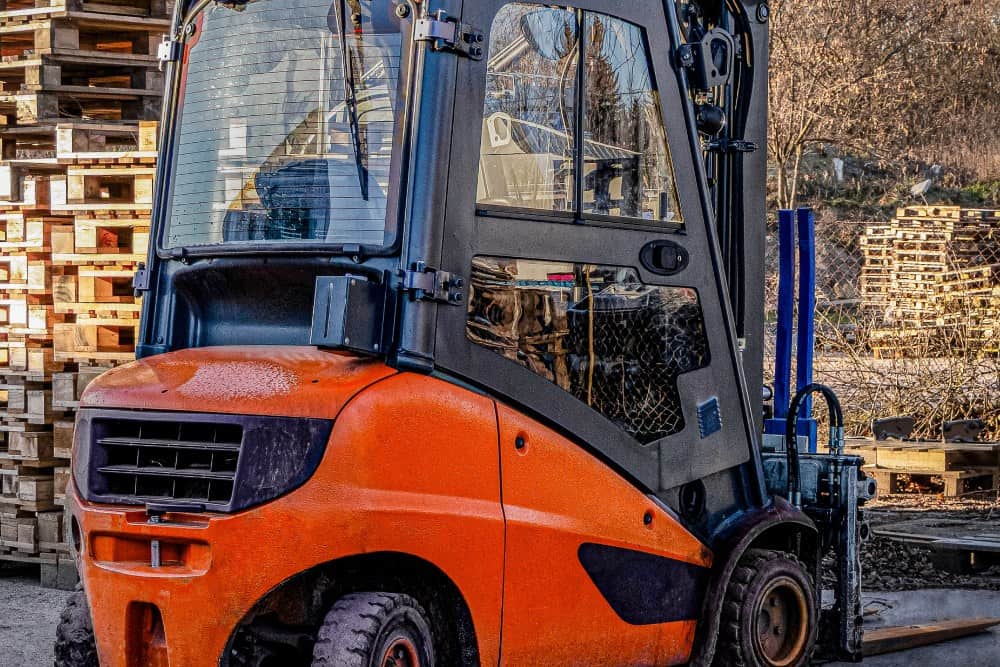
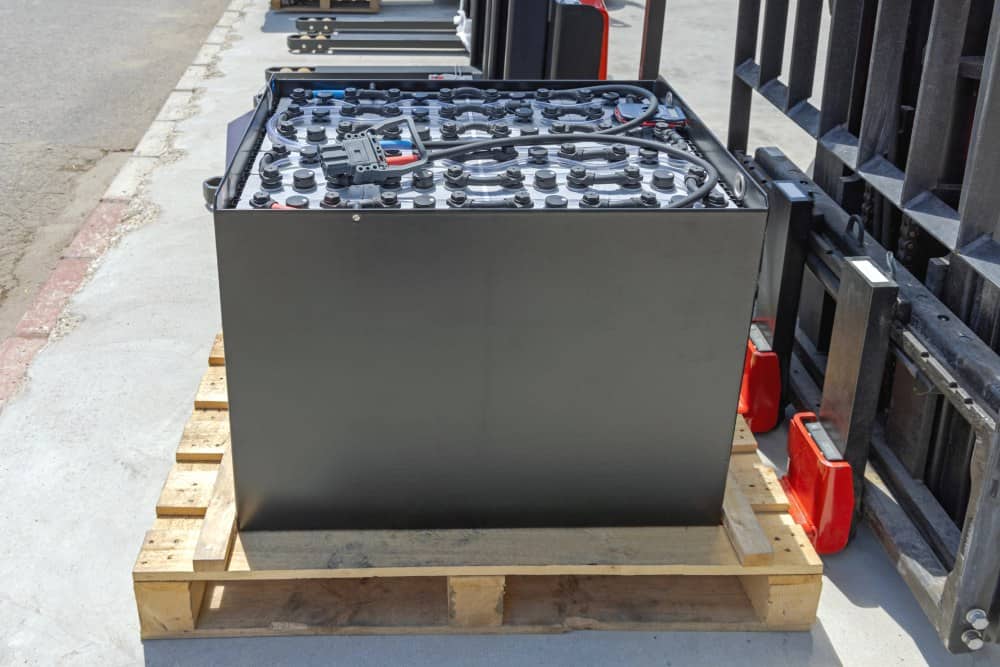
Key Benefits of Using Green Power Batteries for your Jungheinrich Forklift Operations

Key Benefits of Using Green Power Batteries for your Jungheinrich Forklift Operations

Upgrading your Jungheinrich forklift battery is no longer just about replacement. It is about improving uptime, reducing operating costs, and keeping your equipment running consistently across shifts. Many operations still rely on older battery setups that limit performance, increase downtime, and require constant attention.

Green Power Forklift Batteries provides battery solutions designed for real operational demands. Whether you are managing a single unit or an entire fleet, the right battery choice directly affects productivity, charging efficiency, and long-term cost control.

Improved Uptime Through Faster Charging Cycles

Downtime often comes from long charging cycles and battery swaps. Traditional setups require extended charging periods and cooling time, which slows down operations.

Modern battery systems support faster and more flexible charging patterns. Opportunity charging during short breaks allows operators to keep equipment running without interruption. This reduces the need for spare batteries and dedicated charging rooms.

For operations running multiple shifts, this translates into consistent availability. Instead of planning around battery limitations, your equipment works around your schedule.

Consistent Performance Across Shifts

A common issue with aging batteries is the drop in performance as charge levels decrease. This affects lifting power, travel speed, and overall efficiency.

A well-matched battery system maintains stable output throughout the discharge cycle. This allows operators to work at consistent performance levels without adjusting their workflow.

When evaluating Jungheinrich forklift batteries, consistency matters as much as capacity. Stable performance reduces strain on equipment and helps maintain predictable operating conditions.

Lower Maintenance Demands and Operational Disruptions

Routine upkeep often adds hidden costs. Watering schedules, cleaning, and monitoring take time and introduce risk if not handled correctly.

Modern battery solutions reduce these requirements significantly. Sealed systems eliminate the need for watering and reduce exposure to acid-related issues. This simplifies daily operations and allows teams to focus on productivity rather than maintenance routines.

This also improves safety conditions within the warehouse by reducing handling risks associated with traditional battery care.

Long-Term Cost Control Without Compromising Reliability

Battery replacement is one of the largest recurring expenses in forklift operations. Choosing the right battery impacts both upfront cost and long-term value.

Green Power Forklift Batteries focuses on delivering strong value through pricing, product reliability, and support. Our new batteries are backed by a 7-year warranty, which reflects their performance and durability in real-world use.

In addition to new batteries, reconditioned options provide a cost-effective alternative for operations managing tighter budgets. This allows businesses to align their investment with operational needs without sacrificing performance.

Compatibility Across Common Voltage Systems

Fleet operations often include a mix of equipment with different power requirements. A reliable supplier must support a wide range of configurations.

Green Power Batteries provides solutions across standard systems, including:

  • 24V
  • 36V
  • 48V
  • 80V

Matching the correct voltage and capacity to your forklift model is essential. Incorrect pairing can lead to inefficiency, overheating, or reduced runtime.

Battery health can also be evaluated through voltage readings. A fully charged battery should typically reflect a stable range of 2.1 to 2.2 volts per cell, which helps confirm proper charging and performance.

Stronger Control Through Forklift Battery Management

Battery performance does not depend on the product alone. It also depends on how it is monitored and managed over time.

Effective forklift battery management includes tracking charge cycles, monitoring voltage stability, and identifying early signs of performance decline. Advanced systems allow operators to make informed decisions rather than reacting to unexpected failures.

Practical Approach to Forklift Battery Maintenance

Even with reduced maintenance requirements, proper handling still plays a role in performance.

Forklift battery maintenance should focus on:

  • Keeping charging schedules consistent
  • Avoiding deep discharge cycles where possible
  • Monitoring voltage levels during operation
  • Ensuring proper charging equipment is used

These practices help maintain efficiency and prevent avoidable wear over time.

Simplified Purchasing and Support Across North America

Sourcing the right battery should not be complicated. Delays in quoting, ordering, or installation can disrupt operations and increase costs.

Green Power Forklift Batteries focuses on a simple and efficient process. Quick quotes, clear communication, and access to a wide product range make it easier to find the right solution without unnecessary delays.

With coverage across the United States and Canada, along with installation support through a network of dealers, businesses can move forward with confidence knowing support is available when needed.

Powering Smarter Decisions for Your Fleet

Choosing the right battery is not just about replacement. It is about improving how your operation runs every day. From charging efficiency to cost control, each decision impacts productivity.

We work directly with businesses to simplify that decision. Whether you need a new battery, a cost-effective alternative, or support in selecting the right configuration, our team helps you move forward with clarity and confidence.

Request a quote today to get the right battery solution for your Jungheinrich forklift without delays.

Key Benefits of Using Green Power Batteries for your Hoist Forklift Applications

Key Benefits of Using Green Power Batteries for your Hoist Forklift Applications

Selecting the right Hoist forklift battery plays a direct role in how efficiently your equipment performs throughout the day. In many operations, battery limitations still create unnecessary downtime, inconsistent power, and added maintenance effort.

Green Power Forklift Batteries provides solutions that align with real operating conditions. From charging flexibility to reduced upkeep, the right battery setup supports smoother workflows and better cost control.

Stronger Performance During Daily Operations

Battery performance affects how consistently a forklift operates across a shift. Older systems often lose power as the charge drops, which impacts lifting capability and travel speed.

Modern battery technology delivers steady output throughout the discharge cycle. This allows operators to maintain the same level of performance without interruption. Stable power also reduces stress on equipment and improves overall handling.

For businesses evaluating forklift batteries for Hoist lift trucks, consistent performance is a key factor in maintaining productivity.

Faster Charging That Supports Continuous Use

Charging time directly affects equipment availability. Traditional setups require long charging cycles and cooling periods, which limits how often a forklift can be used.

Lithium-ion battery systems support faster charging and allow opportunity charging during short breaks. This removes the need for battery swapping and helps keep forklifts available across multiple shifts.

The ability to recharge in shorter intervals gives operations more flexibility without changing workflows or adding extra equipment.

Reduced Maintenance and Simpler Daily Handling

Battery maintenance often requires time and oversight. Watering, cleaning, and monitoring can add to operational workload and increase the risk of handling errors.

Newer battery systems reduce these requirements. Sealed designs remove the need for watering and minimize exposure to acid-related issues. This simplifies daily routines and improves workplace safety.

Even with fewer maintenance demands, proper forklift battery maintenance still plays a role in keeping performance consistent. Charging habits and monitoring help maintain efficiency over time.

Lower Operating Costs Through Efficiency

Energy efficiency is often overlooked when selecting a battery. Systems that waste energy during charging or operation lead to higher long-term costs.

Lithium-ion batteries use stored energy more efficiently, which reduces electricity consumption. Over time, this creates measurable savings, especially in operations running multiple forklifts.

For companies searching for forklift batteries for sale, balancing upfront cost with long-term efficiency leads to better overall value.

Improved Safety and Workplace Conditions

Battery safety is an important consideration in any warehouse environment. Traditional batteries can produce gases during charging and require controlled spaces.

Modern battery systems eliminate these concerns. They do not release harmful emissions during charging, allowing them to be used in a wider range of environments. This removes the need for dedicated charging rooms and creates a cleaner workspace.

Stable battery chemistry also supports reliable performance in both indoor and temperature-controlled environments.

Better Visibility Through Forklift Battery Management

Battery performance improves when it is monitored consistently. Effective forklift battery management allows operators to track charge cycles, voltage levels, and usage patterns.

A fully charged battery should show a stable range between 2.1 and 2.2 volts per cell, which helps confirm proper operation. Monitoring these levels helps identify performance changes early and reduces unexpected downtime.

Flexible Options That Match Operational Needs

Different operations require different battery solutions. Some focus on cost, while others prioritize efficiency and uptime.

Green Power Forklift Batteries offers:

This range allows businesses to choose solutions based on actual usage rather than fixed assumptions.

Making the Right Choice for Your Operation

We focus on helping businesses choose battery solutions that match how their equipment is used every day at Green Power Forklift Batteries. From new batteries with dependable warranty coverage to cost-effective alternatives, we make the process simple and efficient.

Request a quote today from Green Power Forklift Batteries to find the right Hoist forklift battery solution for your operation.

Green Power Battery Size Chart For your Hoist Forklift Replacement Needs

Selecting the correct Hoist forklift batteries requires matching voltage, capacity, and physical dimensions to your equipment so performance remains stable and safe.

Green Power Forklift Batteries provides options designed to fit standard battery compartments while meeting operational demands.

Understanding how sizing works in batteries helps avoid common mistakes that lead to downtime or poor performance.

Understanding Battery Voltage and Application Fit

Voltage determines how much power your forklift can deliver. Choosing the wrong voltage can affect lifting performance and system efficiency.

Common configurations include:

  • 24V for light-duty equipment such as pallet jacks
  • 36V for medium-duty forklifts
  • 48V for standard warehouse operations
  • 80V for heavy-duty and high-lift applications

Each system is designed to match specific motor requirements. When evaluating forklift batteries for Hoist lift trucks, always confirm the voltage listed on the data plate before selecting a replacement.

Capacity Range and Runtime Expectations

Capacity, measured in amp-hours, determines how long a forklift can operate before needing a recharge.

Typical ranges include:

  • 200Ah to 300Ah for lighter applications
  • 300Ah to 500Ah for mid-level operations
  • 400Ah to 775Ah for heavier usage
  • 300Ah to 1000Ah+ for large, high-demand equipment

Higher capacity supports longer runtime, but it must align with the forklift’s design. Oversizing or undersizing can affect both efficiency and safety.

Battery Size and Compartment Compatibility

Physical fit is a critical factor during replacement. The battery must match the dimensions of the existing tray to avoid installation issues.

Modern lithium-ion batteries are designed as drop-in replacements. They fit standard compartments while maintaining the required voltage and performance levels.

Weight also plays a role. Traditional lead-acid batteries can weigh several thousand pounds. Lighter lithium systems may require added ballast to maintain forklift stability.

Connector Types and Installation Considerations

A replacement battery must connect properly to the forklift’s electrical system. Connector types such as SB-350 are commonly used, but compatibility should always be verified before installation.

Incorrect connectors can lead to delays or additional costs. Checking this detail early helps avoid complications during setup.

Charging Flexibility and Operational Efficiency

Charging behavior differs depending on battery type. Modern systems allow opportunity charging, where forklifts can be recharged during short breaks.

This reduces the need for multiple batteries per truck and supports continuous operation across shifts. It also simplifies charging infrastructure and frees up space within the facility.

Monitoring Performance Through Forklift Battery Management

Battery performance improves when it is monitored consistently. Effective forklift battery management helps track usage patterns, charging cycles, and voltage stability.

A fully charged battery should show a stable reading between 2.1 and 2.2 volts per cell, which confirms proper charging. Monitoring these levels helps identify performance issues before they affect operations.

Maintaining Efficiency Over Time

Even with advanced battery systems, proper care still matters. Forklift battery maintenance should focus on consistent charging practices, avoiding deep discharge, and using the correct charger for the system.

These steps help maintain performance and prevent unnecessary wear. A structured approach to maintenance supports longer-term efficiency without adding complexity.

Choosing the Right Battery with Confidence

We work closely with businesses to match battery specifications with real operating conditions. From standard replacements to higher-efficiency options, our goal is to simplify the process and reduce uncertainty.

At Green Power Forklift Batteries, we help you select the right battery based on your forklift model, usage patterns, and performance requirements. From sizing to installation support, we make the process simple so your operation keeps moving.

Request a quote today from Green Power Forklift Batteries to find the right Hoist forklift battery for your replacement needs.

Comparing The Top Lithium Forklift Battery Companies: Why Green Power Forklift Batteries Stand Out

Comparing The Top Lithium Forklift Battery Companies_ Why Green Power Forklift Batteries Stand Out

The market for lithium forklift battery companies has grown fast. More suppliers, more brands, and more claims about who offers the best performance, price, and warranty. Sorting through all of it takes real time and effort for warehouse managers and fleet operators.

This guide breaks down what separates one supplier from another, what to watch for when comparing options, and how we approach things at Green Power Forklift Batteries.

What the Lithium Forklift Battery Companies Market Actually Looks Like

There are a few different kinds of players in this space, and they don’t all operate the same way.

On one end, you have large-scale manufacturers that produce batteries at volume and sell through distribution channels. On the other hand, you have specialized suppliers who stock multiple brands, offer more flexibility, and tend to be closer to the end user in terms of service and communication.

Most operations fall somewhere in the middle of this. You need a battery that fits your voltage requirements (24V, 36V, 48V, or 80V), your shift patterns, and your budget. Getting all three right from a single source is where things can get complicated.

Lithium-ion has become a serious option for operations running multiple shifts or dealing with long charge times on lead acid. The upfront cost is higher, but the total cost of ownership over time is often worthwhile. If you’re exploring that route, our lithium-ion batteries for forklifts cover what we carry and what specs to look for.

How to Choose Between Buying from Manufacturers vs. Specialized Suppliers like Green Power

This is where the conversation among industrial lithium battery manufacturers gets interesting. Buying direct from a manufacturer sounds appealing in theory. You’re cutting out a step in the chain. In practice, it comes with some trade-offs worth thinking through.

Working directly with manufacturers often means:

  • Minimum order quantities that don’t fit smaller fleets
  • Longer lead times, especially for custom configurations
  • Limited flexibility on returns or exchanges
  • Single-brand inventory with no alternative if the spec doesn’t line up
  • Less visibility into what’s happening with your order

Working with a specialized supplier tends to mean:

  • Access to multiple brands and battery types under one roof
  • More flexibility on order size and lead time
  • A team that knows the product and can help you find the right fit
  • Options across new, reconditioned, and alternative chemistries
  • Easier communication when something needs to be sorted out

We stock reconditioned forklift batteries alongside our new inventory, which gives customers more pricing options without sacrificing reliability. Not every operation requires a brand-new unit, and having both new and used options in one place makes the process more practical. It gives customers the flexibility to choose what fits their needs without having to look elsewhere.

What Separates the Best Lithium Forklift Battery Brands from the Rest

Not all lithium batteries are spec’d the same, and price alone doesn’t tell you much. Here’s what’s worth paying attention to when comparing brands and suppliers:

  • Warranty terms: This is one of the clearest signals of how much a supplier stands behind their product. A longer, well-defined warranty means less risk on your end. Look at what’s covered, not just the headline number.
  • Compatibility: Lithium batteries need to be matched to your charger and your forklift’s BMS. A supplier worth working with will flag potential compatibility issues before the order goes through.
  • Lead time: Some suppliers quote short lead times, only to push them back. Ask specifically which items are in stock and which need to be ordered.
  • Technical knowledge: You want a team that can talk through the details. Voltage per cell, charge cycles, and depth-of-discharge tolerances. If a sales rep can’t answer those questions, that’s worth noting.
  • Availability of support after the sale: Installation, troubleshooting, and knowing who to call when you have a question all matter more than most buyers realize until they need it.

Lithium Forklift Battery Suppliers vs. Manufacturers: What Operators Usually Ask Us

A few questions come up often when operators are working through this decision.

  • “Is lithium worth it if we’re only running one shift?”

Honestly, it depends on your charging setup and how tight your turnaround windows are. Lead-acid batteries can be the more practical choice in single-shift operations. We’re happy to walk through the specifics rather than push one option over another.

  • “Can we get the installation handled through the same source?”

Yes. We work with a network of forklift dealers across most of the US, so installation can often be arranged without having to source a separate contractor.

  • “What if we have old batteries to deal with?”

We have a recycling program for battery cores. It’s a straightforward process and keeps disposal off your plate.

  • “How long does it take to get a quote?”

The quote process is intentionally simple. You don’t need to fill out a form and wait a week. Getting a number back quickly lets you make decisions on your own timeline.

Where to Buy Industrial Lithium Batteries Without the Runaround

The options for sourcing lithium forklift batteries have expanded, but that doesn’t always make the buying process easier. Big distributors can move volume, but often lack the product-specific knowledge to help you make a confident decision. Manufacturers give you depth on one product line but nothing else.

 Specialized suppliers sit in a different position. The focus is narrower, the inventory is curated, and the conversation tends to be more useful. We serve customers across the US and Canada. No matter if a customer needs a single replacement unit or is stocking up across a whole facility, the process is the same: get a quote, ask questions, and make a decision that fits the operation.

The Bottom Line on Choosing a Lithium Forklift Battery Partner

Comparing lithium forklift battery companies comes down to a few fundamentals. Pricing transparency, warranty terms you can trust, a team that knows the product, and a process that doesn’t waste your time.

We’ve developed our approach around those things. Our new forklift batteries come with an industry-leading 7-year warranty on most units, which speaks to how we stand behind what we sell. Add reconditioned options, chargers, a recycling program, and installation access across most of the US, and it all comes together through one source with straightforward pricing.

The quote process is quick, the team is reachable, and there’s no runaround when you have a question. If you’re ready to compare options or get a quote for a replacement unit, contact us today.

Understanding Green Power Battery Specifications for your Elwell‑Parker Forklifts

Understanding Green Power Battery Specifications for your Elwell‑Parker Forklifts

Elwell-Parker has a long-standing reputation in the material handling industry, particularly with electric pallet jacks, rider trucks, and tow tractors. These machines depend entirely on their battery to perform, and getting the specifications right is not a minor detail.

At Green Power Forklift Batteries, we regularly work with operations teams to source the right batteries for Elwell-Parker lift trucks. The questions we hear most often come down to voltage, capacity, and fit.

Getting those three things wrong can mean reduced run time, premature wear, or equipment that simply won’t operate safely. Reviewing our full forklift battery product range is a practical first step before placing any order.

Elwell-Parker Forklift Battery Specifications: What to Know Before You Order

Elwell-Parker equipment typically operates on 24V or 36V systems, depending on the model. Rider trucks and walkie pallet jacks most commonly run on 24V, though some heavier-duty configurations run on 36V.

Getting the voltage confirmed before ordering is non-negotiable. It takes less than a minute to check the nameplate on the existing battery or the equipment data plate.

Capacity is measured in ampere-hours (Ah), and it directly determines how long a machine runs between charges. An undersized battery for the application will struggle to complete a full workday without an interruption for recharging.

Oversizing is also possible and can create weight distribution issues in certain Elwell-Parker tow tractor configurations. We help customers identify the right Ah rating based on their actual shift length and usage intensity.

Physical dimensions matter just as much as electrical specs. The battery tray on an Elwell-Parker unit is designed around a specific footprint, and a battery installed in the wrong tray size creates both a safety concern and a performance issue. The connector type must also match. A mismatched connector is a fixable problem, but it adds time and cost that are easy to avoid upfront.

New Batteries vs. Reconditioned: Choosing What Fits Your Operation

New batteries are the right call for operations running extended hours or multiple days without downtime. Our Green Power brand new batteries come with an industry-leading 7-year warranty on most units, along with competitive pricing and fast lead times. Warranty coverage at that level is uncommon in this space. It gives fleet managers a longer planning horizon without unexpected replacement costs interrupting the budget.

Reconditioned batteries are a legitimate option for lighter-duty applications or operations looking to manage costs on older equipment. Our reconditioned forklift batteries undergo a thorough evaluation before leaving our facility. A fully charged lead-acid battery should hold a stable voltage of 2.1 to 2.2 volts per cell. Anything outside of that range is a red flag, and units below that threshold do not make it into our reconditioned inventory.

Voltage Testing and Long-Term Battery Health

Battery health is something many operations overlook until performance drops noticeably. Testing cell voltage regularly takes very little time and catches problems before they cascade. If individual cells fall below the 2.1-volt threshold, the battery is likely nearing the end of its life. It means that replacement planning should begin soon.

Proper watering schedules and correct charging practices extend battery life considerably. Opportunity charging throughout the day without a proper full charge cycle can degrade cell condition faster than most operations realize.

Get the Right Elwell-Parker Battery at the Right Price

Specification accuracy and price should not be a trade-off. We offer both, along with a quote process designed to be fast and straightforward. Contact us if you manage a fleet of Elwell-Parker equipment and want to confirm specs or get pricing.

Key Benefits of Using Green Power Batteries as your Drexel Forklift Batteries

Key Benefits of Using Green Power Batteries as your Drexel Forklift Batteries

Drexel SwingMast forklifts are engineered for one of the most demanding warehouse environments. Narrow aisles, high-density storage, and operations where a mid-shift power failure is not just inconvenient, it’s costly.

A battery that underperforms can put the entire operation at risk. At Green Power Forklift Batteries, our Drexel forklift batteries deliver dependable runtime and accurate fitment.

Why Green Power Drexel Forklift Batteries Are the Right Choice for Your Fleet

Voltage Matching Across the Full Drexel Range

Drexel electric models run on 36V, 48V, or 72V systems, depending on the series. Getting the voltage wrong can damage equipment and void existing warranties. Our battery range covers the full spectrum of Drexel configurations, so you get the correct specification every time without having to cross-reference them yourself.

Explore our full range of new and reconditioned forklift batteries to meet the specific voltage and sizing requirements of Drexel equipment.

Runtime Built for High-Intensity VNA Operations

Drexel forklifts are deployed in some of the busiest warehouse environments in North America. A battery running low mid-shift in a very narrow aisle application disrupts the entire floor. Our new lead-acid batteries are specified to deliver the runtime these operations demand.

On the reconditioned side, our batteries go through a rigorous 18-stage process that restores lost capacity before anything leaves our facility. This way, you are not receiving a refurbished unit with a fraction of its original performance.

Correct Fitment for Fast Battery Swaps

Drexel forklifts feature a rollout battery compartment designed specifically for fast swaps in multi-shift operations. A battery that does not fit the tray properly defeats the whole purpose of that design. Our batteries are correctly sized and configured for Drexel compartments, so change-outs stay quick.

Reconditioned Batteries Worth Considering

Not every operation needs to buy new. Our reconditioned forklift batteries are a well-tested alternative for operations managing tighter budgets without compromising reliability. Restored through our 18-stage reconditioning process, these units are brought back to a dependable performance standard.

Competitive Pricing Across the Board

Drexel equipment represents a significant capital investment, and the battery powering it should deliver value rather than drain it. Our new Green Power brand batteries are priced to deliver upfront cost savings. The reconditioned options take that further. Across both categories, you are getting a quality product at a price that makes sense for the operation.

Nationwide Supply and Installation Access

We supply batteries across the entire continental US and all of Canada. Beyond delivery, installation services are available through our network of forklift dealer partners across most of the US. One supplier handling both supply and installation means fewer vendors to coordinate and fewer opportunities for things to fall through the gaps.

A Core Program That Closes the Loop

When old batteries reach the end of their life, we buy them back. Our core program accepts used, surplus, and scrap units directly from customers, turning retired inventory into value and keeping the disposal process simple. It is one less thing to manage when a battery finally reaches the end of its life.

Power Your Drexel Fleet With a Supplier Who Knows the Equipment

Choosing the right battery supplier affects more than your bottom line. It affects uptime, shift continuity, and how the whole operation runs day to day.

We know the Drexel platform, we stock the right configurations, and we make the purchasing process as simple as possible. Contact us today if you are ready to get accurate pricing on new or reconditioned units.

Key Benefits of Using Green Power Batteries as Your Dockstocker Forklift Batteries

Key Benefits of Using Green Power Batteries as Your Dockstocker Forklift Batteries

Dockstocker forklift batteries play a direct role in lift stability, hydraulic response, and runtime consistency. These lifts operate in tight dock areas where power delivery must remain predictable under repeated load cycles. Selecting the correct battery involves more than voltage matching. Tray dimensions, amp hour capacity, weight distribution, and discharge behavior all influence how a Dockstocker performs across daily shifts. 

Understanding these compatibility factors helps fleets avoid power drop issues, controller faults, and premature downtime while maintaining smooth dock operations across varied facility conditions.

Common Voltage Requirements for Dockstocker Forklifts

Most Dockstocker forklifts operate on either 24V or 48V electrical systems. Light duty dock lifts and compact walkie stackers often rely on 24V systems, while heavier Dockstocker models handling sustained vertical lifting typically use 48V configurations. 

Higher voltage systems reduce current draw during peak hydraulic demand, which improves efficiency and limits voltage sag under load. Selecting forklift batteries for Dockstocker lift trucks requires confirmation of the controller voltage range to prevent electrical mismatches that disrupt lift performance.

Capacity Ranges and Runtime Expectations

Battery capacity for Dockstocker forklifts commonly falls between 240Ah and 350Ah. Lower capacity batteries suit intermittent dock use, while higher amp hour ratings align with longer shifts and continuous lifting cycles. Capacity selection affects more than runtime alone. 

Batteries with stable discharge profiles maintain hydraulic pressure consistency, which helps lifts respond predictably during extended dock activity. Oversizing capacity without confirming tray clearance or weight requirements may introduce balance concerns within the lift design.

Battery Tray Dimensions and Fit Accuracy

Physical fit remains one of the most overlooked compatibility factors. Dockstocker battery trays vary by manufacturer and model year. Battery length, width, and height must align precisely to prevent movement during operation. Improper fit can stress cables, damage connectors, and create safety risks during lift travel. 

Tray clearance also impacts ventilation and heat dissipation, particularly for lead acid systems operating under frequent charge cycles. Accurate measurements remain necessary before selecting replacements or upgrades.

Lead Acid Battery Options for Dockstocker Lifts

Flooded lead acid batteries remain widely used in Dockstocker forklifts due to predictable discharge behavior and compatibility with existing charging infrastructure. These batteries deliver stable voltage when properly maintained and suit facilities with scheduled charging windows. 

Weight also plays a functional role, acting as part of the counterbalance system. Selecting new forklift batteries built for Dockstocker applications helps maintain correct weight distribution without compromising lift stability.

Lithium Ion Battery Compatibility Considerations

Lithium ion batteries increasingly serve Dockstocker applications that require faster charging and reduced maintenance. These systems offer higher usable capacity per charge cycle and maintain voltage consistency across longer duty periods. Lithium packs must integrate a battery management system to regulate cell balance and charging limits. 

Compatibility checks should include controller tolerance for lithium voltage profiles and available space for integrated electronics. Facilities upgrading from lead acid benefit from reduced battery swaps and improved dock throughput.

Connector Types and Electrical Integration

Dockstocker forklifts commonly use standardized connectors designed for industrial traction batteries. Matching connector type and cable orientation prevents resistance buildup and overheating during high current draw. Electrical compatibility also includes charger alignment. 

Chargers must match both voltage and capacity ratings to maintain proper charge cycles and avoid premature battery stress.

Keep Your Dock Operations Moving With Green Power Forklift Batteries

At Green Power Forklift Batteries, we help fleets select Dockstocker forklift batteries that match voltage, capacity, and physical requirements without confusion. We focus on dependable new battery options and highlight our industry-leading 7-year warranty on most new units. Our team works across the United States and Canada to simplify the selection, quick quote, and ordering process.

For guidance tailored to your Dockstocker equipment, visit our forklift battery resources or contact us to start the conversation.

How To Properly Equalize A Forklift Battery For Peak Performance

How To Properly Equalize A Forklift Battery For Peak Performance

Battery performance rarely declines all at once. Subtle voltage imbalance, reduced runtime, and uneven cell behavior usually appear long before a forklift stops mid-shift. 

Understanding how to equalize forklift battery systems helps operations teams address these gradual changes before they affect productivity. Equalization focuses on restoring balance within lead-acid batteries that experience repeated charge cycles under industrial workloads. 

When handled correctly, this process improves voltage consistency and helps batteries deliver reliable power throughout daily operations. 

Knowing when equalization is appropriate, how it works, and when it is not recommended allows businesses to manage battery performance more effectively while avoiding unnecessary downtime.

What Equalization Means for Forklift Batteries

Equalization refers to a controlled charging phase applied to lead-acid forklift batteries after a full charge cycle. During this phase, voltage rises slightly above normal charging levels to balance individual cells within the battery. 

Over time, cells can drift apart in voltage due to uneven discharge and charge patterns. Equalization addresses that imbalance by bringing all cells back into alignment. This process also helps reduce sulfate buildup on battery plates, which commonly forms during routine use. 

Equalization does not apply to lithium-based systems and should only occur when recommended by the battery manufacturer. Understanding this distinction prevents misuse and protects battery integrity.

Why Cell Balance Affects Daily Performance

Forklift batteries rely on multiple cells connected in series to produce usable voltage. When some cells discharge faster than others, overall output declines sooner than expected. Even small imbalances can reduce available runtime, forcing earlier charging or battery changes. Equalization restores uniform voltage across all cells, which improves discharge stability. 

Balanced cells allow forklifts to maintain consistent lift speed and travel response across an entire shift. For operations running tight schedules, this consistency plays a major role in maintaining workflow efficiency without unexpected slowdowns.

When Equalization Should Take Place

Equalization timing varies based on battery type, usage intensity, and manufacturer guidance. Many operations schedule equalization during planned downtime because the process extends beyond a standard charge cycle. 

A typical lead-acid battery may require several additional hours to complete equalization and cool down afterward. Performing equalization too frequently can increase wear, while skipping it entirely allows imbalance to worsen. 

Monitoring runtime changes, uneven water consumption, or inconsistent voltage readings helps determine appropriate timing. Always follow manufacturer recommendations rather than relying on fixed schedules.

Equipment Requirements for Proper Equalization

Not all chargers handle equalization. Forklift batteries require chargers designed to manage higher voltage phases safely. Some chargers perform equalization automatically based on programmed intervals, while others require manual activation. 

Using incompatible equipment risks overheating or uneven charging. Before equalization begins, operators should confirm charger compatibility and review operating guidelines.

Proper ventilation during charging also remains important, as higher voltage levels increase gas release in lead-acid batteries. Adequate preparation reduces safety risks and protects battery components.

Operational Considerations During Equalization

Equalization generates additional heat compared to standard charging. Batteries require sufficient cooldown time before returning to service. Skipping cooldown periods can affect electrolyte balance and plate condition. 

Water levels should also be checked after equalization, not before, since electrolyte expands during charging. Adding water too early may cause overflow. 

Attention to these details helps maintain battery condition without introducing new issues. Equalization works best as part of a broader battery management routine rather than an isolated task.

Why Equalization Does Not Apply to Lithium Systems

Lithium-based forklift batteries operate under entirely different charging and management principles. Internal battery management systems control cell balance automatically, removing the need for manual equalization. 

Attempting to equalize lithium batteries can damage internal components. Operations using lithium-Ion batteries for forklifts benefit from simplified charging routines and consistent voltage control without additional maintenance steps. 

Recognizing which battery chemistry is in use prevents costly errors and helps teams apply the correct practices for each system.

How Equalization Fits Into Long-Term Battery Planning

Equalization plays a role in preserving lead-acid battery performance but does not replace proper charging habits or equipment selection. Consistent charge practices, correct charger pairing, and workload alignment matter just as much. 

Facilities evaluating replacement options often transition to new forklift batteries when performance declines beyond recoverable levels. Equalization helps extend usable performance but should never compensate for batteries that no longer meet operational demands.

Safety Awareness During Equalization

Higher voltage charging increases the importance of safety awareness. Operators should follow established charging area protocols, including eye protection and proper ventilation. Battery covers should remain secure, and open flames must stay clear of charging zones. 

Monitoring temperature and charge progress reduces risk. Clear procedures and training help teams carry out equalization confidently while protecting both personnel and equipment.

Get the Right Battery Strategy With Green Power Forklift Batteries

At Green Power Forklift Batteries, we help businesses match battery solutions to real operating demands, equipment requirements, and usage conditions. Our focus stays on dependable new forklift batteries, strong warranty coverage on most new units, quick lead times, and clear communication from start to finish. We work with fleets across the United States and Canada to keep battery selection and ordering simple and predictable. 

If you want guidance that aligns with long-term performance goals, contact us to start the conversation.

Green Power Forklift Batteries: Performance and Reliability for Crown Lift Trucks

Green Power Forklift Batteries: Performance and Reliability for Crown Lift Trucks

Material handling operations depend on power systems that respond predictably under constant load. Crown forklift batteries play a major role in how lift trucks perform across long shifts, tight aisles, and temperature-variable environments. 

Understanding how these batteries manage output, charging behavior, and operational consistency helps fleet managers make informed decisions. 

This guide explains how to evaluate Crown forklift batteries based on performance characteristics, power delivery, and long-term reliability, while also clarifying how modern battery options influence productivity, planning, and overall equipment efficiency.

Performance Expectations in Demanding Operations

Crown forklift batteries are commonly used in warehouses that operate multiple shifts with limited downtime. Performance in these environments depends on consistent voltage delivery and stable capacity throughout the discharge cycle. Batteries that hold output under load allow lift and travel functions to remain predictable, even during peak activity. This stability helps operators maintain work pace without compensating for sluggish response or reduced lift speed as charge levels drop.

Battery performance also affects how often equipment requires charging. Units designed for steady discharge patterns help managers schedule charging windows without interrupting workflow. In facilities with opportunity charging practices, predictable performance reduces strain on charging infrastructure and simplifies daily planning.

Power Delivery and Charging Behavior

Power output is not only about capacity, but also how energy flows during use and recharge. Crown forklift batteries are available in configurations that accommodate traditional charging cycles as well as more flexible charging approaches. Faster charge acceptance can reduce idle time between shifts, while controlled charge profiles help maintain consistent internal conditions.

Charging behavior also impacts battery availability. Batteries that tolerate partial charges without irregular degradation allow fleets to adapt to fluctuating workloads. This flexibility benefits operations that cannot dedicate long, uninterrupted charging periods. 

Battery Technology Options for Crown Lift Trucks

Crown lift trucks can operate with both lead-acid and lithium-ion battery systems. Each option brings different considerations related to charging, maintenance, and space requirements. Lead-acid batteries remain common in many fleets due to familiarity and upfront cost structure. Lithium-ion systems, by contrast, offer sealed designs, faster charge acceptance, and reduced daily maintenance tasks.

When evaluating forklift batteries for Crown lift trucks, it is important to consider how battery weight, dimensions, and electrical compatibility align with truck design. Proper fit affects not only safety but also handling characteristics and overall equipment balance. 

Battery selection should reflect duty cycle intensity rather than defaulting to one technology across all applications.

Reliability Through Consistent Output

Reliability in forklift batteries is closely tied to how well they maintain output over time. Batteries that exhibit predictable degradation patterns allow facilities to plan replacements based on usage data rather than unexpected performance drops. Consistent runtime across shifts reduces the need for spare batteries and minimizes unplanned downtime.

Voltage stability under load also protects motors, controls, and onboard electronics from unnecessary strain. Batteries that deliver steady power help extend component service intervals and reduce maintenance disruptions. 

Fit, Compatibility, and Fleet Standardization

Battery compatibility extends beyond voltage and capacity ratings. Tray dimensions, connector placement, and ventilation requirements must align with Crown lift truck specifications. Using batteries designed to match these parameters reduces the risk of improper installation or uneven weight distribution.

For fleets operating multiple Crown models, standardized battery options simplify inventory management. Fewer battery variations make replacement planning more efficient and reduce errors during ordering. Facilities seeking compatible options can review forklift batteries for Crown lift trucks to match specifications accurately without unnecessary modifications.

How Green Power Forklift Batteries Helps Your Fleet Move Forward

At Green Power Forklift Batteries, we focus on matching Crown forklift batteries to real operating conditions, not assumptions. We offer a full line of new forklift batteries to move your fleet forward, backed by competitive pricing, exceptional customer service, and our industry-leading 7-year warranty on most new units. Our goal is to make battery selection straightforward and practical by emphasizing our simple and quick quote/order process.

If you want guidance tailored to your equipment and workload, contact us to start the conversation.

Daewoo Forklift Battery Specifications Breakdown

Daewoo Forklift Battery Specifications Breakdown

Electric forklift performance depends heavily on battery configuration, especially for brands like Daewoo, now operating under Doosan. Selecting the correct Daewoo forklift battery involves more than matching voltage. 

Capacity, weight, compartment dimensions, and duty cycle alignment all influence stability, runtime, and long-term operating consistency. Many Daewoo electric models operate in demanding warehouse and manufacturing environments, which place steady pressure on battery output.

Understanding how these specifications align with equipment requirements helps fleet managers avoid mismatches that affect productivity, charging schedules, and overall equipment behavior.

Common Voltage Platforms Used by Daewoo Forklifts

Daewoo electric forklifts typically rely on 36V and 48V battery systems. Smaller capacity trucks, including many walkie and mid-range counterbalance units, often use 36V configurations. These systems balance runtime needs with manageable battery weight. Larger trucks handling heavier loads or longer shifts frequently require 48V systems to maintain steady output under sustained demand.

Voltage selection directly affects motor response and lift consistency. A properly matched voltage allows the truck to operate within its intended electrical range without strain on internal components.

Amp Hour Capacity and Duty Cycle Alignment

Amp hour ratings for Daewoo forklift batteries commonly range from 400 Ah to well over 1,000 Ah at the five-hour rate. Lower capacity batteries suit light to moderate duty cycles with planned charging windows. Higher capacity options accommodate extended shifts, heavier lifting, or applications with limited charging access.

Capacity selection should align with real-world usage rather than nameplate assumptions. Oversized batteries add unnecessary weight, while undersized units lead to frequent charging interruptions. Balanced capacity planning helps maintain predictable runtime and stable discharge behavior throughout shifts.

Battery Weight and Counterbalance Requirements

Battery weight plays a dual role in Daewoo electric forklifts. Beyond energy storage, the battery also functions as a counterweight. Many Daewoo models specify minimum battery weights ranging from approximately 2,300 pounds to more than 3,400 pounds, depending on truck size and lift capacity.

Using a battery that falls below weight requirements affects stability and load handling. Correct weight alignment preserves the truck’s designed center of gravity and maintains safe operation during lifting and travel.

Compartment Dimensions and Physical Fit

Battery compartments vary across Daewoo forklift models. Common 48V compartments often measure approximately 38 inches by 30 inches by 23 inches, though dimensions vary by series and capacity class. Accurate compartment measurements remain essential before selecting a replacement battery.

Proper fit prevents movement within the tray, protects electrical connections, and allows ventilation to function as designed. Mismatched dimensions introduce handling risks and complicate installation.

Lead-Acid and Lithium-Ion Battery Options

Flooded lead-acid batteries remain common across Daewoo electric fleets due to predictable performance and broad charger compatibility. Maintenance-free lead-acid options reduce watering tasks while maintaining familiar charging profiles.

Lithium-ion batteries have become an alternative for operations focused on opportunity charging and reduced maintenance tasks. These systems follow different charging behavior and do not require equalization cycles. Facilities considering lithium-ion should review charging infrastructure and usage patterns before making changes.

For operations evaluating replacements, reviewing available options through forklift batteries for Daewoo lift trucks helps clarify configuration compatibility.

Charger Matching and Charging Behavior

Battery performance depends heavily on charger alignment. Voltage, amp output, and charging profile must match battery specifications. Incorrect charger pairing shortens usable capacity and introduces irregular charge cycles.

Facilities updating batteries often review new forklift batteries alongside charger compatibility to maintain stable charging behavior across shifts.

How Green Power Forklift Batteries Help You Move Forward

At Green Power Forklift Batteries, we help fleets match Daewoo forklift battery specifications to real operating demands. Our focus stays on dependable new battery options, clear guidance, strong warranty coverage on most new units, and responsive service across the United States and Canada.

If you need help selecting the right configuration or planning a replacement, contact us to keep your fleet operating with confidence.