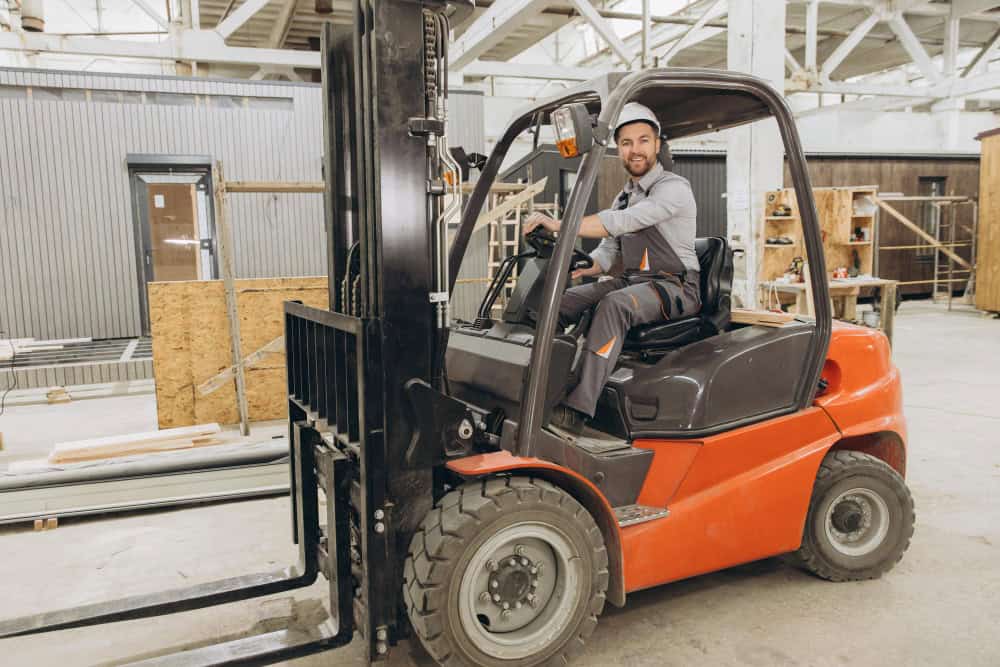
Key Benefits of Using Green Power Batteries For Your Schreck Forklifts

Key Benefits of Using Green Power Batteries For Your Schreck Forklifts

Quick Summary

Schreck forklift batteries play a critical role in maintaining consistent forklift performance across warehouse and industrial operations. Proper battery selection affects runtime, charging efficiency, and overall equipment reliability. Key factors include voltage compatibility, capacity sizing, charging systems, and battery chemistry. Businesses using forklift batteries for Schaeff forklifts must also consider maintenance requirements and operational workload to avoid downtime.


Electric forklifts depend on stable energy output to maintain productivity across shifts. Schreck forklift batteries must align with operational demands such as lift capacity, runtime expectations, and charging schedules.

When battery specifications are not properly matched, operators may experience reduced efficiency, slower lift response, or unexpected downtime. This makes correct battery selection a core part of fleet management rather than a secondary consideration.

Many operations evaluating forklift batteries for Schaeff forklifts focus on voltage alone, but real performance depends on a combination of capacity, chemistry, and charging compatibility.

Efficiency Gains From Proper Battery Selection

A correctly matched battery improves forklift efficiency by delivering consistent power output throughout the discharge cycle. This reduces performance drops during heavy lifting or extended shifts.

Battery efficiency also affects charging frequency. Well-matched systems reduce unnecessary charging interruptions, allowing forklifts to stay in operation longer before returning to charging stations.

Over time, efficient energy use contributes to lower operational strain on both batteries and equipment, reducing unplanned downtime.

Role of New Forklift Batteries in Fleet Stability

Using new forklift batteries ensures predictable performance and standardized specifications across the fleet. This helps operators maintain consistent runtime expectations and simplifies scheduling for charging cycles.

New units also reduce variability caused by aging cells or uneven discharge patterns. This stability is particularly important in multi-shift environments where equipment is in continuous use.

Green Power Forklift Batteries supplies new industrial battery solutions designed to support consistent Schreck forklift performance with structured specifications and reliable output.

Lithium-Ion Advantages in Industrial Operations

Lithium-Ion batteries for forklifts provide operational advantages in environments requiring fast turnaround and reduced maintenance effort. These systems maintain stable voltage output during discharge, which helps reduce performance fluctuations.

They also support faster charging cycles compared to traditional systems. This allows facilities to optimize charging schedules and reduce downtime between shifts.

While initial investment is higher, many operations choose lithium-ion systems for long-term efficiency and reduced dependency on frequent servicing.

Maintenance Impact on Forklift Battery Performance

Battery maintenance directly affects performance consistency and lifespan. Poor maintenance practices often lead to reduced runtime, inefficient charging, and premature replacement needs.

Key maintenance factors include:

  • Proper charging discipline
  • Regular inspection of terminals and connectors
  • Avoiding inconsistent partial charging cycles
  • Monitoring temperature exposure during operation

Facilities that follow structured maintenance practices experience fewer operational interruptions and more stable fleet performance.

Charging Compatibility and Operational Flow

Charging systems must match battery specifications to ensure proper energy transfer. Incorrect charger pairing can result in incomplete charging cycles or overheating issues, both of which impact long-term battery reliability.

Operations using multiple voltage systems should confirm charger compatibility before expanding or modifying fleets. Proper alignment between battery and charger systems supports smoother workflow and reduces operational delays.

Operational Consistency Through Proper Battery Matching

Battery performance is not only about power output but also about consistency across shifts. Properly matched Schreck forklift batteries help maintain stable lifting performance, reduce unexpected downtime, and support predictable scheduling.

This consistency is especially important in warehouse and distribution environments where delays can affect entire supply chains.

Reliable Power Solutions for Schreck Forklift Fleets

Green Power Forklift Batteries focuses on delivering battery systems that align with real operational demands. Each solution is designed with attention to voltage compatibility, capacity requirements, and charging behavior to support consistent forklift performance across daily operations.

Most new batteries include a 7-year warranty, helping businesses plan long-term fleet operations with greater confidence and fewer interruptions.

Keep Your Forklift Operations Running Without Interruptions

If your Schreck forklifts are experiencing inconsistent runtime or charging delays, reviewing your battery setup is essential. Green Power Forklift Batteries provides practical battery solutions designed to support stable performance and reduce operational disruptions through properly matched industrial systems.

Built for Reliable Daily Fleet Performance

Get clear, dependable guidance on selecting and maintaining forklift battery chargers that match your fleet’s real workload and charging cycles. If your Schreck forklifts are facing downtime, inconsistent charging, or reduced runtime, now is the time to reassess your setup.

Green Power Forklift Batteries helps you align the right battery and charger combination for stable daily performance and fewer interruptions.

Reach out today to make your charging system more consistent, efficient, and ready for continuous operations.

FAQs

What affects Schreck forklift battery performance?

Voltage, capacity, charging compatibility, and maintenance practices all directly influence performance and runtime.

Are lithium-ion batteries suitable for Schreck forklifts?

Yes, in many applications. They offer stable voltage output and faster charging but must match system specifications.

How does maintenance impact forklift battery life?

Proper maintenance improves efficiency and reduces the risk of premature performance decline or operational downtime.

Why is battery matching important for forklift fleets?

Incorrect matching can lead to inefficient charging, reduced runtime, and inconsistent forklift performance.

High‑Duty Cycle Performance: Using Green Power Batteries for your Mitsubishi Forklifts

High‑Duty Cycle Performance: Using Green Power Batteries for your Mitsubishi Forklifts

In high-demand environments, battery performance directly affects productivity. A Mitsubishi forklift battery must support continuous operation, stable output, and efficient charging to keep equipment moving across shifts. When the battery cannot keep up with workload demands, downtime increases and operational flow slows.

Green Power Forklift Batteries provide solutions built to handle these conditions, helping businesses maintain consistent performance without adding complexity.

Supporting High-Duty Cycle Operations

Multi-shift environments require batteries that can perform without extended downtime. Traditional systems often struggle with long charging cycles and limited availability.

Modern battery solutions support faster charging and allow opportunity charging during short breaks. This keeps forklifts active without requiring battery swaps or extended idle time.

For operations evaluating forklift batteries for Mitsubishi lift trucks, the ability to maintain uptime across shifts is essential for consistent output.

Stable Power Throughout the Work Cycle

Performance should remain consistent from the start of a shift to the end. Drops in voltage can affect lifting capability and reduce efficiency.

Advanced battery systems provide steady power throughout the discharge cycle. This allows operators to maintain predictable performance without interruptions.

Battery condition can be verified through voltage readings. A fully charged battery should typically show a stable range between 2.1 and 2.2 volts per cell, confirming proper charging and balanced output.

Reducing Maintenance Without Slowing Operations

Battery maintenance can interrupt daily workflows. Watering, cleaning, and monitoring require time and create potential safety concerns.

Modern battery systems reduce these requirements. Sealed designs eliminate the need for watering and reduce exposure to acid-related issues.

Even with simplified systems, proper forklift battery maintenance remains important. Consistent charging practices and monitoring help maintain performance and prevent avoidable issues.

Improving Efficiency in Charging and Energy Use

Charging efficiency plays a role in both uptime and cost control. Batteries that take longer to charge or lose energy during the process increase operational costs.

Lithium-ion systems offer faster charging and improved energy efficiency. This allows forklifts to return to service quickly while using less energy overall.

In high-duty cycle operations, these improvements reduce interruptions and support more efficient workflows.

Smarter Oversight Through Forklift Battery Management

Monitoring battery performance helps prevent unexpected downtime. Effective forklift battery management allows operators to track charge cycles, voltage stability, and usage patterns.

This level of visibility supports better planning and helps maintain consistent performance across the fleet. It also allows issues to be addressed before they impact operations.

Flexible Options for Different Workloads

Not all operations have the same requirements. Some prioritize cost control, while others focus on performance and uptime.

Green Power Forklift Batteries offers a range of options:

  • New batteries with strong pricing and a 7-year warranty
  • Reconditioned batteries for cost-focused operations
  • Lithium-ion batteries for higher efficiency and flexible charging
  • Chargers designed to support consistent performance

For businesses searching for forklift batteries for sale, having multiple options allows for better alignment with operational needs.

Simplifying Battery Selection and Replacement

Battery replacement should be straightforward. Delays in sourcing or installation can disrupt operations.

Green Power Batteries focuses on a simple and efficient process. Quick quotes, clear communication, and support across the United States and Canada help businesses move forward without delays.

Installation support through a network of dealers also helps reduce setup time and ensures proper integration.

Built to Support Your Daily Operations

We work closely with businesses to match battery solutions to real operating conditions at Green Power Forklift Batteries. From new batteries with dependable warranty coverage to cost-effective alternatives, we help simplify the process and keep your operation moving.

Request a quote today from Green Power Forklift Batteries to find the right Mitsubishi forklift battery for your operation.

How A Green Power Forklift Battery Watering System Saves You Money

How A Green Power Forklift Battery Watering System Saves You Money

Quick Summary

A forklift battery watering system helps maintain correct electrolyte levels in lead-acid batteries, preventing damage caused by under-watering or over-watering. This directly supports stable charging performance and reduces unexpected downtime in industrial operations. It also lowers routine maintenance effort, especially in fleets using forklift batteries for Schaeff forklifts and other heavy-duty equipment. When combined with proper charging practices and regular inspection, it helps extend usable battery performance and reduces avoidable replacement costs. Operations using new forklift batteries or lithium-Ion batteries for forklifts benefit from more predictable energy output and fewer performance interruptions over time.


A forklift battery watering system is designed to maintain consistent electrolyte levels inside industrial batteries. In lead-acid systems, water loss happens during charging cycles, and manual refilling can be inconsistent or delayed. Over time, this affects charging efficiency and battery stability.

For operations managing forklift batteries for Schaeff forklifts, this consistency becomes important because uneven water levels can lead to reduced runtime and unnecessary strain on equipment. A controlled watering process reduces these risks and supports smoother daily performance.

How Proper Water Levels Reduce Operating Costs

Incorrect water levels are one of the most common causes of reduced battery life. Too little water exposes plates, while too much can cause overflow and contamination. Both scenarios increase maintenance frequency and reduce efficiency.

A structured watering system minimizes these errors. It helps fleets avoid early battery degradation, reducing the need for premature replacement and lowering long-term operating expenses. This becomes especially relevant in environments relying on new forklift batteries where consistent performance is expected from the start.

Impact on Charging Efficiency and Runtime Stability

Battery performance is closely tied to electrolyte balance. When water levels are stable, charging cycles become more predictable and efficient. This reduces irregular charging patterns and helps maintain steady runtime across shifts.

Operations using lithium-Ion batteries for forklifts typically see fewer watering-related concerns, but many mixed fleets still depend on lead-acid systems. In those environments, a watering system helps bridge the gap between manual upkeep and consistent output.

Reducing Manual Maintenance Load

Manual battery watering is time-consuming and often inconsistent across large fleets. It requires training, scheduling, and attention to detail. Even small errors can lead to performance issues later.

A forklift battery watering system reduces the need for frequent manual checks. This allows maintenance teams to focus on broader maintenance priorities instead of repetitive topping-up tasks. Over time, this improves operational efficiency without increasing labor costs.

Supporting Long-Term Battery Stability

Battery stability depends on routine care, including proper charging behavior and electrolyte management. When maintenance processes are inconsistent, batteries degrade faster and become less predictable in performance.

Green Power Forklift Batteries focuses on providing systems and solutions that align with practical fleet usage patterns. Most of our new batteries are supported by a 7-year warranty, reflecting consistent manufacturing standards and long-term operational reliability in real-world use.

Why Watering Systems Matter in Industrial Operations

In high-usage environments, even small inefficiencies accumulate into measurable cost increases. A forklift battery watering system helps standardize one of the most overlooked maintenance steps.

Built Around Efficient Fleet Performance

We help operations choose practical battery solutions based on workload, charging behavior, and daily usage patterns. Green Power Forklift Batteries provide dependable industrial power systems designed to reduce unnecessary maintenance complexity while maintaining stable forklift performance across demanding environments.

Most of our new batteries are backed by a 7-year warranty, giving operations long-term confidence in performance consistency without added maintenance burden.

If your fleet is dealing with inconsistent battery performance or rising maintenance effort, it may be time to reassess how your watering and charging systems are managed. Green Power Forklift Batteries provides reliable battery solutions focused on stable performance, reduced downtime, and straightforward maintenance requirements.

Get in touch to align your fleet with a more efficient and predictable power setup.

FAQs

How does a forklift battery watering system improve battery life?

It maintains correct electrolyte levels, preventing plate exposure and internal damage that typically shortens battery lifespan.

Is a watering system useful for all forklift fleets?

It is most useful for fleets using lead-acid batteries, especially in multi-shift or high-usage environments where maintenance consistency matters.

Does a watering system reduce maintenance costs?

Yes. It reduces manual labor, prevents avoidable damage, and lowers the frequency of corrective maintenance.

Can lithium-Ion batteries for forklifts use a watering system?

No. Lithium-Ion batteries do not require watering, as they operate on a sealed system with different energy management requirements.

Cost Guide: Choosing Green Power Batteries As Your Schaeff Forklift Replacement

Cost Guide_ Choosing Green Power Batteries As Your Schaeff Forklift Replacement

Quick Summary

The cost of replacing a Schaeff forklift battery depends on factors such as battery type, capacity, brand quality, installation, and shipping. Lead-acid batteries have lower upfront costs, while lithium-ion options reduce long-term maintenance and operational downtime. Proper sizing and voltage compatibility are essential to avoid inefficiencies or equipment issues. Operational usage patterns and charging practices also influence replacement timing and overall value. Understanding these factors helps businesses choose forklift batteries for Schaeff forklifts that balance performance, reliability, and total cost of ownership.


A Schaeff forklift battery replacement is not determined by price alone. It is influenced by how the equipment is used, the battery chemistry selected, and the operational demands of the fleet. In warehouse and industrial environments, battery replacement decisions directly affect uptime and productivity.

Many businesses evaluate forklift batteries for Schaeff only when performance drops, but cost planning should begin earlier. Runtime reduction, slower charging cycles, and inconsistent power delivery are early indicators that a replacement may be required.

Key Factors That Influence Replacement Cost

Battery type is one of the largest cost drivers. Lead-acid batteries typically have a lower upfront price but require consistent maintenance, including watering and cleaning. Lithium-ion systems reduce ongoing service requirements but require a higher initial investment.

Capacity also affects pricing. Higher amp-hour ratings increase runtime but also raise replacement cost. Selecting the correct capacity ensures forklifts operate through full shifts without unnecessary charging interruptions.

Labor costs contribute to total expense when installation support is required. Additional handling and setup time may vary depending on facility layout and fleet size.

Battery Chemistry and Long-Term Value

Lead-acid batteries remain common due to affordability, but operational costs increase over time due to maintenance needs and charging discipline requirements. Improper charging practices can shorten lifespan and reduce efficiency.

Lithium-Ion batteries for forklifts provide more stable voltage output and faster charging cycles. They also reduce downtime associated with watering and routine servicing. These characteristics make them suitable for multi-shift operations where consistent performance is required.

Role of New Forklift Batteries in Cost Planning

Investing in new forklift batteries provides predictable performance and standardized specifications. New units reduce variability in runtime and eliminate uncertainty associated with worn or inconsistent cells.

Most new industrial batteries also come with structured warranty coverage. At Green Power Forklift Batteries, most new units include a 7-year warranty, supporting long-term operational planning without frequent replacement cycles under normal use conditions.

Charging Compatibility and Operational Efficiency

Incorrect charger pairing can increase replacement frequency and overall cost. A mismatch between charger output and battery capacity can result in incomplete charging cycles or overheating conditions.

Proper alignment between battery voltage, charger configuration, and usage patterns helps extend usable battery life. Facilities with structured charging schedules typically experience fewer replacement events and improved fleet uptime.

Maintenance Impact on Replacement Timing

Regular maintenance plays a direct role in determining replacement costs over time. Poor maintenance practices accelerate battery degradation and reduce efficiency.

Key maintenance factors include:

  • Consistent charging routines
  • Terminal cleaning and inspection
  • Avoiding partial or inconsistent charging cycles
  • Monitoring temperature exposure during operation

When maintenance standards are followed correctly, battery replacement cycles become more predictable and cost-effective.

Operational Considerations for Replacement Decisions

Replacement timing is not only based on age. It is determined by operational impact. When forklifts show reduced runtime, inconsistent power delivery, or increased charging frequency, performance loss becomes a cost factor in daily operations.

At this stage, continuing to use degraded batteries can increase downtime and reduce productivity across the fleet.

Keep Your Fleet Moving With the Right Replacement Choice

If your Schaeff forklifts are showing reduced runtime or charging inefficiencies, it may be time to evaluate your battery setup. Green Power Forklift Batteries helps operations select properly matched replacement batteries designed for consistent performance, stable charging behavior, and long-term operational reliability.

Operational Battery Support That Keeps Costs Under Control

We help facilities make practical replacement decisions based on workload, charging behavior, and fleet demands. Green Power Forklift Batteries offers new industrial solutions designed to reduce downtime and support consistent Schaeff forklift performance. Most of our new batteries are backed by a 7-year warranty, giving operations long-term confidence in daily productivity without unnecessary maintenance complexity.

Get in touch with Green Power Forklift Batteries today to find the right Schaeff forklift battery solution and keep your fleet running with fewer interruptions and more predictable operating costs.

FAQs

What affects the cost of a Schaeff forklift battery replacement?

Battery type, capacity, labor, shipping, and charger compatibility are the main cost drivers.

Are lithium-ion batteries more cost-effective long term?

Yes, they typically reduce maintenance requirements and charging-related downtime, improving operational efficiency over time.

When should a forklift battery be replaced?

When runtime decreases, charging becomes inconsistent, or maintenance costs rise significantly compared to performance output.

Does maintenance impact replacement cost?

Yes, poor maintenance shortens battery lifespan and increases the frequency of replacement.

Comparing The Top Lithium Forklift Battery Companies: Why Green Power Forklift Batteries Stands Out

Comparing The Top Lithium Forklift Battery Companies_ Why Green Power Forklift Batteries Stands Out

Quick Summary

Choosing between lithium forklift battery companies comes down to performance, cost control, and operational fit. Lithium-ion batteries improve uptime with faster charging and reduced maintenance, but not all suppliers offer the same level of support or product consistency. Understanding what affects battery performance, warranty coverage, and long-term value helps operations avoid costly mistakes. The right supplier simplifies the buying process while delivering reliable power across daily workloads.


When evaluating lithium forklift battery companies, the differences are not always obvious at first. Many suppliers promote similar benefits, but actual performance depends on how well the battery fits the operation.

Lithium-ion batteries have gained attention because they reduce downtime and simplify daily operations. Unlike traditional systems, they do not require watering and maintain consistent output throughout the discharge cycle. This creates a more predictable workflow for operations running tight schedules.

At the same time, switching battery types without evaluating supplier quality can lead to mismatched expectations. Not every battery performs the same under load, and not every supplier provides the same level of support after the sale.

Why Lithium-Ion Batteries Are Changing Warehouse Operations

The shift toward lithium-ion batteries for forklifts is driven by operational efficiency. Charging times are shorter, and batteries can often be opportunity charged without affecting performance.

This changes how facilities manage equipment across shifts. Instead of planning around long charging cycles, operators can keep equipment running with shorter, controlled charging intervals.

Another factor is consistency. Lithium-ion systems maintain stable voltage output, which improves lift performance and reduces variation during operation. This matters in high-demand environments where even small performance drops can disrupt workflow.

Key Factors That Separate Reliable Suppliers From the Rest

Not all battery suppliers deliver the same results. Choosing the right partner requires looking beyond basic specifications.

Performance should be evaluated based on real usage, not just stated capacity. A battery must handle continuous workloads without noticeable drops in output.

Reliability also depends on build quality and internal monitoring systems. Batteries that include advanced management systems tend to perform more consistently and reduce the risk of unexpected issues.

Support is another factor that often gets overlooked. A supplier should provide clear guidance during selection and remain responsive when questions come up after installation.

Cost Considerations Go Beyond the Initial Purchase

Upfront pricing is only one part of the decision. Long-term cost depends on how the battery performs over time.

Operations should consider energy efficiency, charging behavior, and how often batteries need to be replaced or rotated. Batteries that maintain stable output reduce strain on equipment and improve overall efficiency.

This is where new forklift batteries can offer an advantage. Instead of managing declining performance from older units, newer systems provide predictable operation and reduce the need for constant adjustments.

A balanced approach looks at both initial cost and operational impact.

The Role of Maintenance in Battery Selection

One of the main reasons businesses consider lithium systems is reduced maintenance. Traditional lead-acid batteries require regular watering, cleaning, and monitoring.

Lithium-ion systems eliminate many of these tasks. There is no need to manage electrolyte levels or deal with boil-over risks. This reduces labor requirements and improves safety in battery areas.

However, reduced maintenance does not mean no oversight. Charging practices, storage conditions, and usage patterns still affect performance. Choosing a supplier that provides clear operational guidance helps maintain consistency.

Evaluating Performance Across Different System Configurations

Battery performance must match the equipment it powers. Forklift systems operate across different voltage configurations, including 24V, 36V, 48V, and 80V.

Each configuration has different energy demands. Higher voltage systems typically support larger equipment and heavier workloads. Selecting the wrong battery can lead to underperformance or unnecessary strain on equipment.

Consistency during charging is also important. A properly managed system should stabilize at around 2.1 to 2.2 volts per cell in comparable lead-acid systems. While lithium-ion operates differently, this benchmark highlights how important controlled charging behavior is across all battery types.

Understanding how a battery performs within your specific setup prevents issues after installation.

Why Warranty and Support Should Not Be Overlooked

Warranty coverage reflects the confidence a supplier has in its product. It also plays a direct role in long-term cost control.

A strong warranty reduces financial risk and provides reassurance that the battery will perform as expected. It also indicates that the supplier stands behind its product beyond the initial sale.

Support matters just as much. When questions arise, fast and clear responses can prevent downtime and operational delays.

Where Green Power Forklift Batteries Fits Into the Market

Green Power Forklift Batteries approaches the market with a focus on simplicity, reliability, and value.

Instead of overcomplicating the buying process, the goal is to provide straightforward solutions that match real operational needs. This includes helping customers choose the correct battery configuration based on workload and equipment type.

The emphasis is not just on product availability, but also on making the selection process efficient. Clear communication, fast quotes, and consistent support reduce delays and help operations move forward without unnecessary friction.

Choosing the Right Supplier Comes Down to Practical Fit

There is no single battery solution that works for every operation. The best choice depends on how the equipment is used, how often it runs, and what level of performance is required.

A reliable supplier focuses on these details instead of offering a one-size-fits-all approach. Matching the battery to the application leads to better performance and fewer issues over time.

Taking the time to evaluate these factors helps avoid costly adjustments later.

Power Your Operation With Confidence

If you are comparing lithium forklift battery companies and need a clear path forward, the right approach starts with understanding your equipment and workload. Reach out today for a fast quote and practical guidance based on your operation. The goal is to help you move forward with a battery solution that delivers consistent performance without unnecessary complications.

Get the Right Battery Solution Without Delays

If you are comparing lithium forklift battery companies and want a solution that fits your operation, contact Green Power Forklift Batteries today.

Get a fast, straightforward quote based on your equipment, usage, and workload. Our team will help you choose a battery that delivers consistent performance while keeping your operation running without unnecessary interruptions.

FAQs

What should I look for when comparing lithium forklift battery companies?

Focus on performance consistency, warranty coverage, supplier support, and how well the battery fits your equipment and workload.

Are lithium-ion batteries suitable for all forklift operations?

They work well in many environments, especially where reduced maintenance and faster charging improve productivity. However, suitability depends on usage patterns and infrastructure.

How do lithium-ion batteries reduce maintenance requirements?

They do not require watering or electrolyte management, which eliminates common maintenance tasks associated with traditional batteries.

Do voltage configurations affect battery selection?

Yes. Forklifts operate on systems such as 24V, 36V, 48V, and 80V. The battery must match the equipment requirements to ensure proper performance.

5 Types Of Green Power Batteries For Your Raymond Forklift Fleet

5 Types Of Green Power Batteries For Your Raymond Forklift Fleet

Quick Summary

Choosing the right Raymond forklift batteries affects runtime, charging efficiency, maintenance requirements, and long-term operating costs. Different battery types support different workloads, shift structures, and charging environments. From traditional lead-acid systems to lithium-ion solutions, understanding how each option performs helps operations avoid downtime and maintain consistent forklift productivity across the fleet.


Forklift performance depends heavily on battery configuration. Choosing the right Raymond forklift batteries can help reduce charging delays, inconsistent runtime, and unnecessary operational interruptions.

Many Raymond forklifts operate in high-demand warehouse environments where equipment runs continuously across single or multiple shifts. Battery type directly impacts how efficiently those operations function each day.

This is why selecting the right battery involves more than voltage alone. Charging behavior, maintenance demands, runtime expectations, and fleet usage patterns all play a role.

Operations using 24V, 36V, 48V, or 80V systems should also verify charger compatibility and battery capacity requirements before making changes across the fleet.

Lead-Acid Batteries Remain a Practical Option

Traditional lead-acid batteries continue to support many warehouse operations because they provide reliable power at a lower upfront cost.

These batteries work especially well for single-shift operations where charging schedules remain predictable. They are widely available and compatible with many Raymond forklift models.

However, lead-acid systems require consistent maintenance to operate efficiently. Water levels must be monitored regularly, terminals should remain clean, and charging procedures need to follow manufacturer recommendations.

A properly charged lead-acid battery should stabilize between 2.1 and 2.2 volts per cell after charging is complete.

Lithium-Ion Batteries Support Faster Operations

Many facilities are transitioning toward lithium-ion batteries for forklifts because they reduce downtime and simplify charging routines.

Unlike lead-acid systems, lithium-ion batteries do not require watering and can handle opportunity charging throughout the day. This allows operators to recharge during breaks without damaging long-term battery performance.

Lithium-ion systems also maintain more stable power output during discharge, helping forklifts perform consistently during demanding workloads.

For multi-shift facilities or high-throughput warehouses, lithium-ion batteries often improve operational flexibility and reduce charging interruptions.

TPPL Batteries Offer a Middle Ground

Thin Plate Pure Lead batteries combine some advantages of both traditional lead-acid and lithium-ion systems.

TPPL batteries charge faster than standard lead-acid batteries while requiring less maintenance overall. They also perform well in operations that need dependable runtime without fully transitioning to lithium-ion infrastructure.

Facilities looking for improved charging speed without major operational changes often consider TPPL systems as an intermediate option.

New Forklift Batteries Improve Operational Consistency

Aging batteries eventually create inconsistent runtime, longer charging cycles, and reduced productivity. Replacing declining units with reliable new forklift batteries helps stabilize daily operations.

New battery systems provide more predictable charging performance and reduce strain on chargers and electrical systems. This becomes increasingly important in fleets running heavy daily workloads.

Battery replacement also allows operations to evaluate whether their current power setup still matches production demands.

In many cases, updating the battery system improves efficiency more than repeatedly managing aging equipment.

Battery Configuration Should Match Operational Demands

No single battery type works for every warehouse environment.

Single-shift facilities may prioritize lower upfront cost and straightforward charging schedules. Multi-shift operations often benefit more from faster charging systems and reduced maintenance requirements.

Temperature conditions, charging infrastructure, runtime expectations, and available labor for battery care should all factor into battery selection decisions.

The best battery setup is the one that aligns with how the forklifts are actually used each day.

Keep Your Equipment Running Without Unnecessary Delays

Battery performance directly affects productivity, charging schedules, and equipment reliability. Contact Green Power Forklift Batteries today for fast quotes, practical guidance, and dependable Raymond forklift batteries designed around your operational workload and fleet requirements.

FAQs

What voltage options are available for Raymond forklift batteries?

Common configurations include 24V, 36V, 48V, and 80V systems depending on forklift size and operational requirements.

Are lithium-ion batteries better for multi-shift operations?

Yes. Lithium-ion batteries support faster charging and opportunity charging, making them useful for facilities operating across multiple shifts.

Do lead-acid forklift batteries require regular maintenance?

Yes. Lead-acid systems require watering, terminal cleaning, and proper charging practices to maintain consistent performance.

Why Green Power Batteries are the Top Choice for your Linde Forklifts

Why Green Power Batteries are the Top Choice for your Linde Forklifts

Choosing the right Linde forklift batteries has a direct impact on uptime, energy efficiency, and operating costs. Many operations still rely on outdated battery systems that slow down productivity and require constant attention. Upgrading your battery setup is not just a technical decision. It is an operational one.

Green Power Forklift Batteries provides a range of battery options designed for electric forklift environments, helping businesses align performance with real workload demands.

Built for Demanding Warehouse Operations

Modern warehouses operate under tight timelines, fluctuating demand, and multi-shift schedules. Battery performance plays a central role in keeping equipment available without interruption.

Traditional setups often require extended charging time and battery swaps. This creates gaps in productivity and adds complexity to daily operations.

Advanced battery systems reduce these limitations. Faster charging cycles allow equipment to return to service quickly. In many cases, short charging intervals during breaks are enough to maintain steady operation across shifts.

For businesses evaluating forklift batteries for Linde lift trucks, the focus should be on reducing downtime while maintaining consistent output.

Consistent Energy Output Across the Work Cycle

Battery performance should remain stable from the beginning of a shift to the end. A drop in power affects lifting capacity, travel speed, and operator efficiency.

Modern battery systems deliver consistent voltage throughout the discharge cycle. This helps maintain predictable performance without forcing operators to adjust their workflow.

Battery health can also be monitored through voltage levels. A fully charged system should show a stable range between 2.1 and 2.2 volts per cell, which indicates proper charging and balanced performance.

Reducing Maintenance Burden Without Compromising Reliability

Routine battery maintenance often requires time, labor, and oversight. Tasks such as watering, cleaning, and monitoring add to operational overhead.

Newer battery technologies reduce these requirements. Sealed designs eliminate the need for water refilling and lower the risk of spills or corrosion. This simplifies daily routines and improves safety conditions.

Even with reduced upkeep, proper forklift battery maintenance remains important. Charging habits, usage patterns, and monitoring all contribute to long-term performance.

Simplified maintenance allows teams to focus on operations rather than constant battery care.

Energy Efficiency That Supports Cost Control

Energy consumption is often overlooked when evaluating battery performance. Inefficient systems lead to higher electricity usage and increased operating costs over time.

Lithium-ion technology provides higher energy efficiency compared to traditional lead-acid setups. More of the stored energy is used during operation, which reduces waste and improves overall system performance.

For operations running multiple forklifts, these gains add up. Lower energy consumption combined with stable performance creates measurable cost savings over time.

Flexible Charging and Infrastructure Advantages

Charging infrastructure can limit how efficiently a fleet operates. Traditional setups require designated charging areas and ventilation systems, which take up valuable space.

Modern battery solutions offer more flexibility. Chargers can be placed closer to operational zones, allowing quick access during breaks. This supports shorter charging cycles and reduces the need for dedicated battery rooms.

In higher-demand environments, this flexibility supports continuous operation without the need for multiple battery sets.

Smarter Control Through Forklift Battery Management

Battery performance improves when it is actively monitored. Effective forklift battery management allows operators to track usage patterns, charging cycles, and voltage stability.

Advanced systems help identify potential issues early. This reduces unexpected downtime and allows for better planning across shifts.

Better visibility into battery performance also supports more efficient energy use. It helps maintain balance across the fleet and prevents overuse of individual units.

Options That Match Different Operational Needs

Not every operation requires the same battery setup. Some prioritize upfront cost, while others focus on long-term efficiency or multi-shift performance.

Green Power Forklift Batteries offers multiple options to match these needs:

  • New forklift batteries with strong pricing and a 7-year warranty
  • Reconditioned batteries for cost-conscious operations
  • Lithium-ion batteries for higher efficiency and flexible charging
  • Chargers that support consistent and reliable performance

This range allows businesses to choose based on their actual workload rather than a one-size approach.

For companies searching for forklift batteries for sale, having access to multiple configurations makes it easier to find the right fit without delays.

Scalable Solutions Across North America

Operational demands change over time. Battery supply and support should be able to scale with those changes.

Green Power Batteries provides coverage across the United States and Canada, making it easier for businesses to source batteries, request quotes, and arrange installation support when needed.

A simple ordering process and responsive communication reduce delays and help businesses move forward without unnecessary complications.

Where Simplicity Meets Operational Performance

We focus on making battery selection straightforward at Green Power Forklift Batteries. Our team works with you to match the right battery to your equipment, usage, and budget. From new batteries with strong warranty coverage to cost-effective alternatives, we help you move forward without delays.

Request a quote today from Green Power Forklift Batteries to get the right battery solution for your Linde forklift operation.

Why Green Power Batteries are the Ideal Choice for your Hyster Forklifts

Why Green Power Batteries are the Ideal Choice for your Hyster Forklifts

Warehouse performance often comes down to one overlooked factor: battery reliability. When Hyster forklift batteries cannot maintain stable voltage, require long charging cycles, or demand frequent maintenance, it affects more than just one machine. It slows down picking rates, delays loading schedules, and increases labor inefficiencies across the floor.

Many operations continue to run with battery setups that no longer match their workload. The result is avoidable downtime, inconsistent performance, and rising operational costs.

Green Power Forklift Batteries addresses these challenges with solutions built for steady output, faster charging, and simplified handling.

Built for Continuous and Multi-Shift Operations

Forklifts are expected to perform consistently throughout the day. In high-demand environments, battery downtime can disrupt entire workflows.

Modern battery systems support fast charging and allow opportunity charging during short breaks. This keeps equipment available without the need for battery swaps or extended downtime.

For operations evaluating forklift batteries for Hyster lift trucks, the ability to maintain continuous performance is a key advantage.

Consistent Power Without Performance Drop

Battery output should remain stable from the start of a shift to the end. Inconsistent voltage can affect lifting performance and reduce operational efficiency.

Advanced battery systems provide steady power throughout the discharge cycle. Operators can maintain the same level of performance without adjusting their workflow.

Battery condition can be checked through voltage readings. A fully charged system should show a stable range between 2.1 and 2.2 volts per cell, which indicates proper charging and reliable performance.

Reduced Maintenance and Simplified Operations

Battery maintenance often requires time and attention. Watering, cleaning, and monitoring can add to daily workload and introduce potential safety concerns.

Newer battery technologies reduce these requirements. Sealed systems eliminate the need for watering and reduce exposure to acid-related issues. This allows teams to focus on operations instead of routine battery upkeep.

Proper forklift battery maintenance still plays a role in maintaining performance. Consistent charging practices and monitoring help prevent avoidable issues.

Improved Energy Efficiency and Cost Control

Energy efficiency affects long-term operating costs. Batteries that lose energy during charging or operation increase electricity usage over time.

Lithium-ion systems provide higher efficiency, allowing more of the stored energy to be used during operation. This reduces waste and supports better cost control.

For businesses searching for forklift batteries for sale, efficiency and long-term value are important factors when making a decision.

Flexible Charging and Space Optimization

Charging infrastructure can limit how efficiently a facility operates. Traditional setups often require dedicated charging areas and ventilation systems.

Modern battery solutions allow charging to take place closer to operational areas. This supports shorter charging cycles and removes the need for large battery rooms.

Flexible charging also improves space utilization, allowing businesses to use their facility more efficiently.

Smarter Performance Through Forklift Battery Management

Battery performance improves when it is monitored and managed consistently. Effective forklift battery management allows operators to track usage patterns, charging cycles, and overall battery condition.

This level of visibility helps reduce unexpected downtime and supports better planning across shifts. It also helps maintain consistent performance across the fleet.

Where Practical Performance Meets Simplicity

We focus on helping businesses choose battery solutions that match how their equipment is used every day at Green Power Forklift Batteries. From new batteries with dependable warranty coverage to cost-effective alternatives, we make the process simple and efficient.

Request a quote today from Green Power Forklift Batteries to find the right Hyster forklift battery solution for your operation.

Why Choose Green Power Batteries as your Komatsu Forklift Replacement Solution

Why Choose Green Power Batteries as your Komatsu Forklift Replacement Solution

Battery performance plays a direct role in how efficiently forklifts operate throughout the day. When Komatsu forklift batteries are not matched correctly to the equipment, it can lead to inconsistent output, longer charging times, and higher operating costs.

Green Power Forklift Batteries provides solutions built around real operational needs. From selecting the correct size to improving charging efficiency, the right battery setup helps maintain steady performance across your fleet.

Matching the Right Battery to Your Equipment

Every forklift depends on its battery for power and balance. The battery acts as a counterweight, which means selecting the correct size and weight is essential for safe operation.

Voltage configurations typically include:

  • 24V for lighter applications
  • 36V for mid-range use
  • 48V for standard warehouse operations
  • 80V for heavy-duty lifting

Choosing the correct configuration ensures the forklift operates as intended without unnecessary strain on components.

For businesses reviewing forklift batteries for Komatsu lift trucks, confirming voltage and compartment dimensions is the first step in avoiding performance issues.

Improving Uptime Through Faster Charging

Charging time affects how often forklifts are available for use. Traditional systems often require long charging cycles, limiting productivity during peak hours.

Modern battery systems support faster charging and allow opportunity charging during breaks. This reduces downtime and removes the need for frequent battery changes.

Improved charging efficiency also reduces electricity usage, which helps control long-term operating costs.

Reducing Maintenance Without Losing Performance

Battery maintenance often adds hidden costs to daily operations. Watering, cleaning, and monitoring require time and create potential safety concerns.

Newer battery systems reduce these requirements. Sealed designs remove the need for watering and reduce exposure to acid-related risks.

Even with simplified systems, proper forklift battery maintenance is still important. Consistent charging and monitoring help maintain stable performance and prevent avoidable issues.

Managing Performance with Better Visibility

Battery performance improves when it is tracked consistently. Effective forklift battery management allows operators to monitor usage, charging cycles, and voltage stability.

A fully charged battery should typically show a stable reading between 2.1 and 2.2 volts per cell, which confirms proper charging. Monitoring these values helps identify changes before they affect operations.

This approach supports better planning and reduces unexpected downtime.

Flexible Battery Options for Different Operations

Different operations require different solutions. Some prioritize cost savings, while others focus on performance and uptime.

Green Power Forklift Batteries offers:

For companies searching for forklift batteries for sale, having multiple options makes it easier to select the right fit without delays.

Simplifying the Replacement Process

Battery replacement should not disrupt operations. Delays in sourcing or installation can create unnecessary downtime.

Green Power Batteries focuses on a simple and efficient process. Quick quotes, clear communication, and support across the United States and Canada help businesses move forward without complications.

Installation support through a network of dealers also helps reduce setup time and ensures proper integration.

Designed Around Real Workload Demands

Forklift operations vary based on shift patterns, load requirements, and facility layout. Battery selection should reflect these factors rather than relying on a standard approach.

Matching the battery to actual usage improves uptime, reduces interruptions, and supports consistent output. This creates a more stable and predictable operation.

Built for Smarter Battery Decisions

We focus on helping businesses choose battery solutions that match how their equipment is used every day at Green Power Forklift Batteries. From new batteries with dependable warranty coverage to cost-effective alternatives, we make the process simple and efficient.

Request a quote today from Green Power Forklift Batteries to find the right Komatsu forklift battery solution for your operation.

Understanding Green Power Battery Specifications for your Nissan Forklifts

Understanding Green Power Battery Specifications for your Nissan Forklifts

Choosing the correct Nissan forklift batteries starts with understanding specifications, not just availability. A mismatch in voltage, capacity, or weight can affect lifting performance, stability, and runtime. Many battery issues come from incorrect sizing rather than product quality.

Green Power Forklift Batteries focuses on matching battery specifications to real operating conditions, helping businesses avoid performance gaps and unnecessary costs.

Why Specifications Matter More Than Brand Labels

Forklift batteries are not interchangeable across all models. Each truck is designed to operate within a specific voltage range, weight requirement, and compartment size.

A battery that does not meet these requirements can lead to reduced efficiency or safety concerns. This is especially important when evaluating forklift batteries for lift trucks, where incorrect configurations often result in inconsistent output or charging issues.

Understanding specifications allows for better decisions and more reliable performance.

Voltage Selection and System Compatibility

Voltage determines how power is delivered to the forklift. Selecting the correct voltage ensures the motor and control systems operate as intended.

Most forklift systems fall into these ranges:

  • 24V for lighter equipment
  • 36V for moderate use
  • 48V for standard warehouse operations
  • 80V for heavy-duty lifting

Matching voltage to the forklift’s requirements prevents performance drops and protects internal components from unnecessary strain.

Capacity and Runtime Considerations

Capacity, measured in amp-hours, defines how long a forklift can operate before recharging. Higher capacity supports longer runtime, but it must align with the workload.

Selecting the right capacity helps avoid interruptions during peak hours. It also prevents overloading the system with unnecessary battery weight.

For operations reviewing forklift batteries for sale, balancing runtime and efficiency is key to maintaining steady productivity.

Weight and Balance in Battery Design

The battery serves as part of the forklift’s counterbalance system. This means weight is not just a specification but a functional requirement.

A battery that is too light or too heavy can affect stability and handling. Lithium-ion systems, which are often lighter, may require added ballast to maintain proper balance.

Matching weight specifications ensures safe operation and consistent performance across different load conditions.

Charging Behavior and Operational Flow

Charging patterns influence how efficiently forklifts operate throughout the day. Traditional charging methods often require extended downtime.

Modern battery systems support opportunity charging, allowing forklifts to recharge during short breaks. This reduces interruptions and improves overall availability.

Charging efficiency also affects energy usage, making it an important factor in long-term cost control.

Monitoring Performance with Forklift Battery Management

Battery performance improves when it is tracked consistently. Effective forklift battery management provides insight into charge cycles, voltage levels, and usage patterns.

A fully charged battery should show a stable range between 2.1 and 2.2 volts per cell, confirming proper charging. Monitoring these values helps identify performance changes before they impact operations.

Maintaining Performance Over Time

Even with advanced systems, proper care is still required. Forklift battery maintenance should focus on consistent charging practices, avoiding deep discharge, and using the correct charger.

These steps help maintain efficiency and reduce the risk of avoidable performance issues. A structured approach to maintenance supports long-term reliability without adding complexity.

Selecting the Right Battery Without Delays

Battery replacement should be based on accurate specifications rather than assumptions. Aligning voltage, capacity, size, and weight ensures the forklift operates as intended.

Green Power Forklift Batteries offer a range of options designed to match different operational needs, making it easier to select the right solution without unnecessary delays.

Precision That Supports Daily Operations

We work with you to match battery specifications to your forklift and workload at Green Power Forklift Batteries. From new batteries with dependable warranty coverage to cost-effective alternatives, we help simplify decisions and keep your equipment running consistently.

Request a quote today from Green Power Forklift Batteries to find the right Nissan forklift battery for your operation.