
Quick Summary
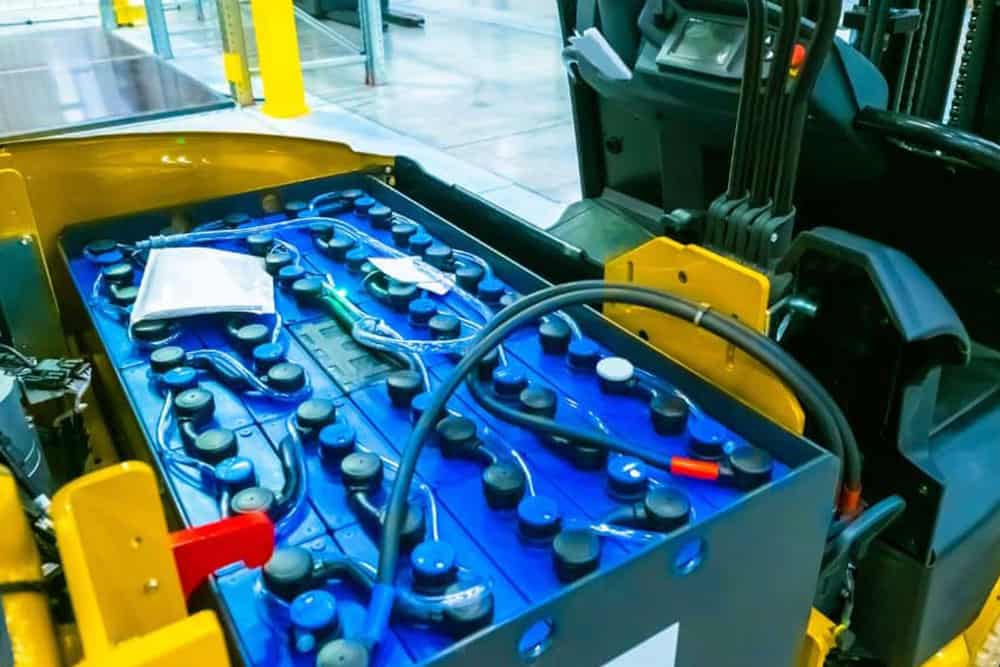
Forklift battery overheating can happen because of overcharging, an incompatible charger, low electrolyte levels, limited ventilation, heavy discharge cycles, electrical resistance, or internal battery cell problems. Common warning signs include an unusually hot battery case, excessive gassing, strong sulfur odor, swelling, electrolyte leaks, charger errors, and reduced operating time. Stop charging or operating the battery, separate it from normal use, ventilate the area, and have trained personnel inspect the system before returning it to service.
Forklift battery overheating is a safety concern and a performance warning. Lead-acid batteries naturally warm during charging and heavy use, but excessive temperature can damage internal components, increase water loss, shorten runtime, and raise the risk of electrolyte exposure or hydrogen accumulation.
Green Power Forklift Batteries supplies batteries and charging solutions for 24V, 36V, 48V, and 80V electric forklifts. When a battery becomes unusually hot, first follow a controlled safety response, then identify the charging, maintenance, or internal condition behind the heat.
Common Causes of Forklift Battery Overheating
Overcharging or an Incorrect Charger
A charger with the wrong voltage, amp-hour range, or charging profile can send excessive current into the battery or continue charging beyond the required cycle. Repeated overcharging increases battery temperature, accelerates water loss, and can shorten battery life.
Green Power offers forklift battery chargers for lead-acid and lithium-ion applications. The charger should be selected as part of the battery system rather than treated as a universal accessory.
Low Electrolyte or Improper Watering
In flooded lead-acid batteries, low electrolyte levels expose the plates and reduce the battery’s ability to control heat. Adding too much water can also cause electrolyte overflow when the fluid expands during charging.
Check water levels after the battery has completed charging and cooled down. Add approved water only to the manufacturer’s recommended level.
A documented forklift battery maintenance schedule helps identify abnormal water use before the battery overheats repeatedly. A sudden need for frequent watering may indicate overcharging or elevated operating temperature.
Poor Ventilation in the Charging Area
Lead-acid batteries release hydrogen and oxygen during charging. Insufficient airflow can trap heat and gases around the battery area. Charging locations should have proper ventilation, remain free from ignition sources, and follow the facility’s battery safety procedures.
A suitable charging environment helps manage normal heat generation and reduces risks associated with gas accumulation.
Heavy Discharge and Insufficient Cooling Time
Extended operating hours, heavy loads, and repeated deep discharge cycles increase battery temperature. Charging immediately after intensive forklift use can add more heat before the battery has time to cool.
Monitor battery temperature, discharge levels, and operating patterns. Include adequate cooling periods in the charging schedule, especially for high-use fleets.
Corrosion, Loose Connections, or Damaged Cables
Electrical resistance converts energy into heat. Corroded terminals, loose inter-cell connections, worn connectors, and damaged cables can create localized hot spots, arcing, voltage drop, and charging problems. Trained personnel should inspect the battery only after it is disconnected and safe to handle.
Our informational page about forklift battery repair describes common fault areas. Green Power does not perform repair or reconditioning services for customer-owned batteries; we sell finished replacement products.
A Weak, Shorted, or Imbalanced Cell
A damaged or failing cell can cause the remaining cells and charger to operate incorrectly. A fully charged lead-acid battery should display a stable reading of approximately 2.1 to 2.2 volts per cell.
A cell that consistently shows lower voltage, produces unusual heat, or releases more gas than surrounding cells requires evaluation from qualified personnel. Internal cell problems can affect the performance of the entire battery.
Warning Signs of an Overheating Forklift Battery
- The battery case, cables, connector, or terminal area is hotter than normal.
- The battery produces excessive bubbling, visible vapor, or a strong sulfur or rotten-egg odor.
- The case appears swollen, cracked, distorted, or wet with electrolyte.
- The charger displays repeated faults, runs unusually long, or fails to reach normal completion.
- Runtime drops, voltage falls rapidly under load, or the forklift loses power earlier in the shift.
Odor, swelling, leaking, and abnormal gassing are not normal. Stop the process and follow the facility’s battery incident procedure.
How to Respond to Forklift Battery Overheating
- Stop operating or charging the battery. Turn off the charger before disconnecting whenever conditions allow safe access.
- Keep untrained personnel away, remove ignition sources, and ventilate the charging area.
- Use required personal protective equipment and follow the site’s electrolyte, eyewash, spill, and fire-response procedures.
- Allow the battery to cool before trained personnel inspect electrolyte levels, connectors, cables, cell readings, and charger compatibility.
- Remove the battery from service if the case is damaged, electrolyte is leaking, or cell behavior remains abnormal.
Review the full forklift battery safety guidance before establishing charging and handling procedures. Only trained and authorized personnel should change, charge, inspect, or handle industrial batteries.
Preventing Repeat Overheating
Preventing future heat issues requires proper charging, maintenance, and operating practices. Match the charger to the battery, complete recommended charge cycles, avoid frequent deep discharge, maintain correct electrolyte levels, clean battery surfaces, inspect cables and connectors, and keep the charging area properly ventilated.
Record charging duration, water usage, battery temperature, and runtime performance. These records can reveal developing issues before they interrupt daily operations.
An undersized or aging battery may also generate excessive heat when the workload repeatedly pushes it beyond its practical limits. Compare measured battery capacity with the original amp-hour rating and actual shift requirements. A controlled capacity test provides more useful information than relying on a single open-circuit voltage measurement.
When an Overheating Battery Should Be Replaced
Replacement is usually the safer business decision when the battery has recurring heat problems, damaged components, leaking electrolyte, a failing cell, or insufficient capacity for the shift. Green Power can compare new forklift batteries with lower-cost reconditioned inventory based on voltage, dimensions, weight, connector, capacity, warranty, lead time, and daily use.
Most new Green Power batteries include an industry-leading seven-year warranty. Share the forklift model, battery specifications, charger details, and operating hours for a quick quote and product match.
FAQs
Is it normal for a forklift battery to get warm while charging?
Some temperature rise is normal, but the case should not become excessively hot, swollen, leaking, or accompanied by strong odor or abnormal gassing. Compare the condition with normal charging records and stop the process when symptoms are unusual.
Can low water cause a forklift battery to overheat?
Yes. Low electrolyte can expose plate material and reduce the battery’s ability to manage heat. Check levels after charging and cooling, and add only approved water to the specified level.
Does Green Power repair an overheating forklift battery?
No. Green Power does not offer repair or reconditioning services for customer-owned batteries. We supply new, reconditioned, and lithium-ion replacement batteries and invite buyers to browse our battery models for their electric forklift and workload.
