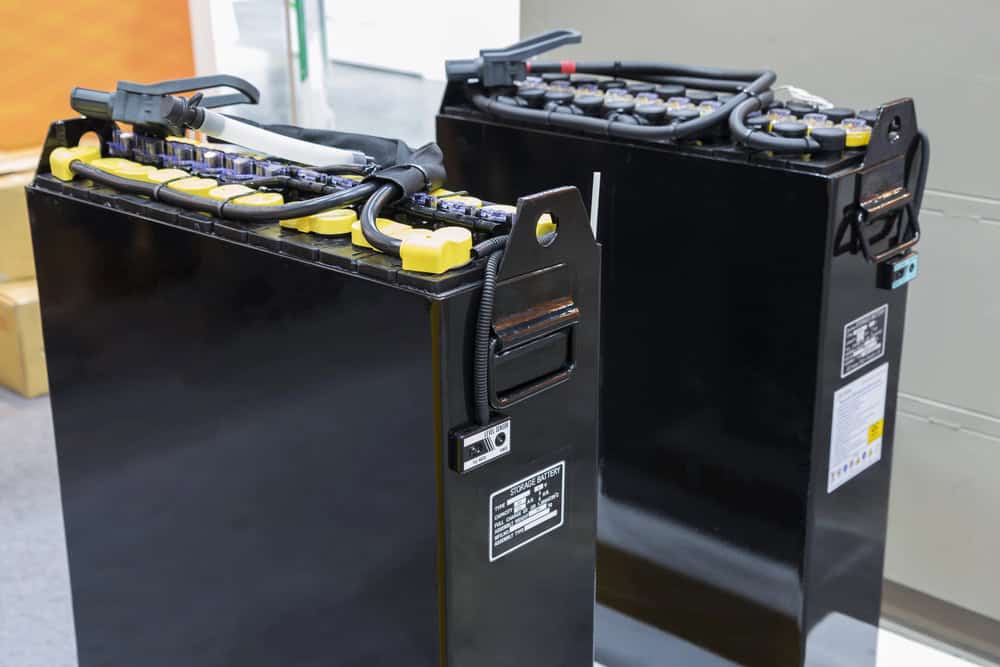
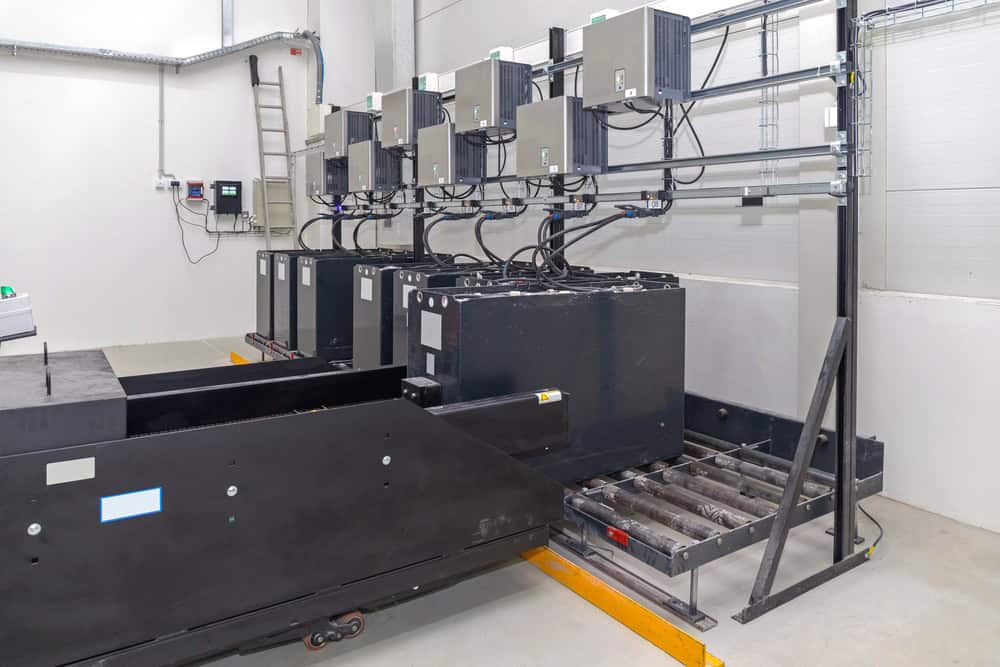
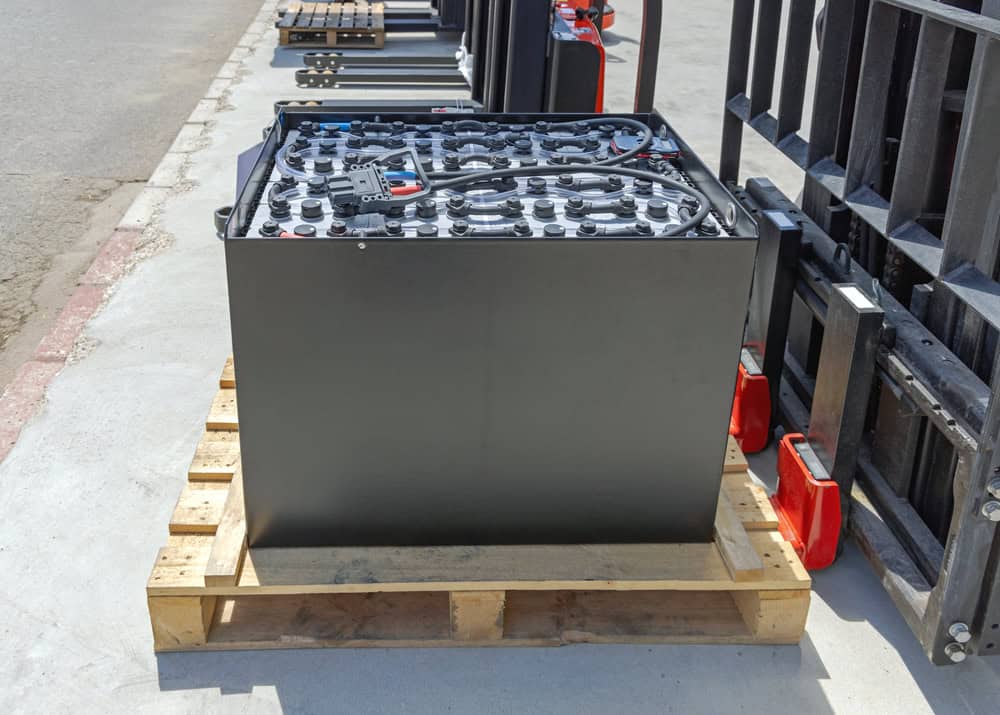
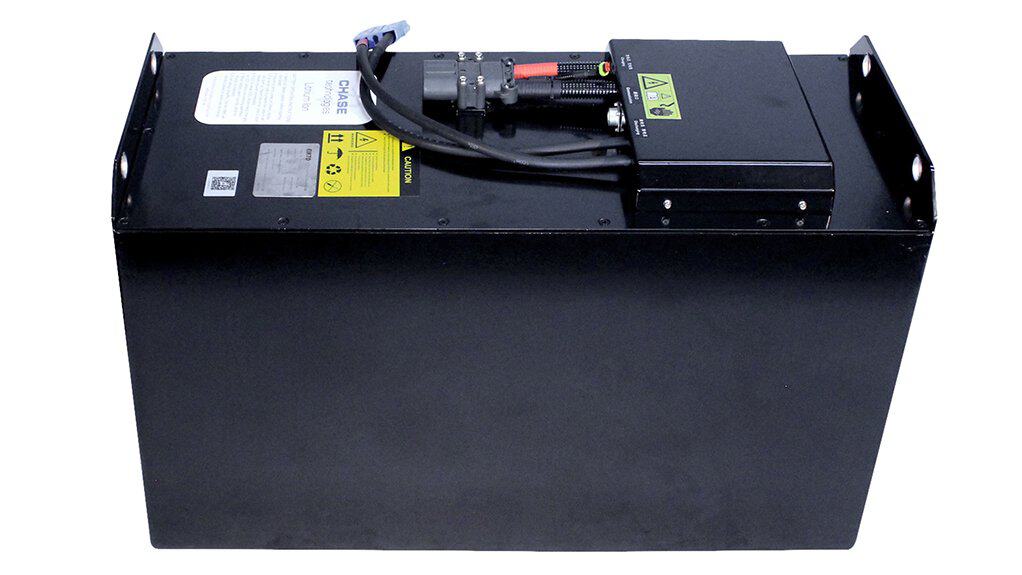
The Complete Guide to Buying a Reconditioned Forklift Battery

If you run a warehouse, factory, or distribution center, you know firsthand how crucial forklifts are. They keep things moving—but what really keeps the forklift going? That would be the forklift battery.

The problem? Forklift batteries are not cheap. A brand-new one can easily cost thousands of dollars. That’s why more and more businesses are going with reconditioned forklift batteries. They’re budget-friendly, reliable, and a smart pick if you want to save money without slowing down operations.

Let’s dive into what reconditioned forklift batteries are, why they’re a fantastic choice, and what you should look for before you buy—including why a company like Green Power Batteries might be the best of the bunch.

What Exactly Is a Reconditioned Forklift Battery?

Think of a reconditioned forklift battery like a used car that’s gone through a full tune-up. It isn’t brand-new, but it’s been cleaned, tested, and is ready to roll.

Here’s what typically happens during the reconditioning process:

  • The forklift battery undergoes inspection for worn-out or faulty cells.
  • Any defective parts are replaced.
  • Internal and external components are cleaned.
  • Electrolytes are refilled if needed.
  • The forklift battery is load-tested to ensure it performs well.

In short: you get a solid, dependable battery at a lower price.

Why Choose Reconditioned Forklift Batteries?

1. Big Cost Savings

Let’s be real—new forklift batteries are expensive. With a reconditioned forklift battery, you can save an impressive 30% to 60% compared to new batteries. That’s serious cash back into your bottom line.

2. Performance You Can Count On

Worried about reliability? When you pick a trusted supplier, reconditioned forklift batteries still perform impressively with a minimum rated capacity of 85%.

3. Eco-Friendly Choice

It shouldn’t be overlooked that batteries used in forklifts are heavy-duty and potentially environmentally harmful if thrown out prematurely. Going with reconditioned forklift batteries helps reduce waste and cuts down the need for new manufacturing. So you’re saving money and helping the planet.

Why Green Power Batteries Deserve a Spotlight

If you’re considering your options, Green Power Batteries stands out as a top choice for reconditioned forklift batteries. Here’s why they shine:

  • They use a detailed 18-stage reconditioning process, which restores lost capacity and can double the functional lifespan of forklift batteries 
  • Their refurbished batteries guarantee at least 85% of the original capacity, and they back them with a standard 1-year warranty—meaning, you get near-new performance for less.
  • Green Power Batteries clearly puts sustainability front and center. They take in used or scrap forklift batteries, refurbish them, and resell them at much lower cost—reducing lead smelting and CO₂ emissions.

In other words, Green Power Batteries offers reconditioned forklift batteries that deliver real value, backed by well-tested performance and strong sustainability credentials.

What to Look for Before You Buy

Not every reconditioned forklift battery is created equal. Here’s a quick checklist to help ensure you’re making a wise choice:

  • Supplier’s Reputation – Read reviews, ask for referrals—you’re trusting them with your forklift battery life.
  • Warranty – A solid warranty shows confidence. Green Power Batteries give at least a 1-year warranty on reconditioned units
  • Testing Standards – Ensure your battery has gone through load testing, capacity checks, and electrolyte verification.
  • Usage History – Newer batteries from light indoor use often have more life left than older units logged heavy-duty shifts.
  • Maintenance Support – A good supplier should give advice on watering, charging, and proper care to extend your forklift battery’s lifespan.

Tips to Keep Your Forklift Battery in Great Shape

Whether new or reconditioned, treating your battery right makes a huge difference. Try these simple habits:

  • Charge fully, not in short bursts.
  • Top it off with distilled water weekly, especially after charging.
  • Avoid deep discharges, keep above 20%.
  • Keep the surface clean to prevent corrosion and acid damage.

Wrapping It Up

Choosing a reconditioned forklift battery is a savvy move—saving money, delivering dependable performance, and doing your part for the environment. If you’re shopping around, give Green Power Batteries a serious look—they offer high-quality, reliable options with backing and sustainability you can feel good about.

So next time you’re replacing a forklift battery, consider going reconditioned—and especially consider a provider like Green Power to get the best bang for your buck.

What Are Reconditioned Forklift Batteries (and Are They Worth It)?

Why Buying a Reconditioned Forklift Battery Is Worth It

When it comes to running a warehouse, distribution center, or manufacturing facility, forklifts are the backbone of operations. But one of the most expensive—and crucial—components of these machines is the forklift battery. For many businesses, purchasing a brand-new battery can be a significant investment, often costing several thousand dollars. That’s where choosing a reconditioned forklift battery comes in as a smart and practical alternative.

What Is a Reconditioned Forklift Battery?

A reconditioned forklift battery is a previously used unit that has undergone a rigorous restoration process. During reconditioning, technicians test, clean, and replace damaged cells or components, bringing the battery back to reliable working condition. This process extends the lifespan of forklift batteries and restores much of their original capacity—at a fraction of the cost of new.

Cost Savings Without Sacrificing Performance

One of the biggest advantages of purchasing a reconditioned forklift battery is the significant cost savings. Businesses can expect to save anywhere from 30% to 60% compared to buying a new forklift battery. And because reconditioned forklift batteries are thoroughly tested, they can still deliver strong, dependable performance for years when properly maintained.

Sustainability and Environmental Benefits

By choosing a reconditioned forklift battery, you extend the life of existing materials, reduce the demand for new production, and support your company’s sustainability goals. It’s a smarter, greener choice for both the planet and your bottom line.

Reliable Quality With Professional Reconditioning

Reputable suppliers don’t just “clean up” an old forklift battery. They follow a detailed process of inspection, repair, and testing. This often includes:

  • Replacing defective cells
  • Refilling electrolytes
  • Recharging and load testing
  • Ensuring the forklift battery meets industry safety and performance standards

Many suppliers even provide warranties, giving buyers peace of mind and confidence in their purchase.

Perfect for Budget-Conscious Operations

For businesses balancing tight budgets, reconditioned forklift batteries offer a way to cut costs without compromising productivity. Whether you run a single forklift or manage an entire fleet, choosing a reconditioned forklift battery is a cost-effective solution that allows you to allocate funds to other areas of your operation.

Final Thoughts

A reconditioned forklift battery isn’t just a cheaper option—it’s a smart investment. It delivers excellent value, dependable performance, and environmental benefits that align with today’s focus on sustainability. If your operation needs to replace a forklift battery, consider going reconditioned. It’s the decision that keeps your business moving efficiently while saving money and supporting the planet.

How to Choose Between a New Forklift Battery and a Reconditioned Forklift Battery

When it comes to powering warehouse operations, the right forklift battery makes all the difference. A forklift that isn’t running at full power can slow down productivity, increase downtime, and drive up operating costs. But when the time comes to replace or upgrade, many businesses face a common question: should you invest in a brand-new battery or opt for a reconditioned one?

Searching for “forklift batteries near me” will likely show both options, but choosing the right one depends on your business needs, budget, and long-term goals. Let’s break down the differences so you can make an informed decision.

The Case for New Forklift Batteries

A brand-new forklift battery offers maximum reliability, longer lifespan, and peak performance. These batteries are built to last for thousands of charge cycles, making them ideal for high-volume warehouses and operations where forklifts run around the clock.

Benefits of new forklift batteries include:

  • Maximum performance – New batteries deliver consistent power output, ensuring forklifts operate at full capacity.
  • Longevity – With proper care, they often last longer than reconditioned options.
  • Lower risk of issues – Since all components are brand-new, unexpected breakdowns are rare.
  • Best for high-demand operations – Warehouses that rely heavily on forklifts benefit most from the dependability of a new forklift battery.

The trade-off, of course, is cost. New forklift batteries are a significant investment, which may not be practical for every business, especially those running smaller fleets or forklifts with lighter workloads.

The Case for Reconditioned Forklift Batteries

Reconditioned batteries offer a cost-effective alternative without completely sacrificing performance. These are used forklift batteries that have been restored to regain most of their original capacity through cleaning, component replacement, and recharging.

Benefits of reconditioned forklift batteries include:

  • Lower upfront cost – A fraction of the price of a new forklift battery.
  • Eco-friendly option – Extending the life of existing forklift batteries reduces waste and supports sustainability.
  • Reliable for lighter use – They can deliver strong performance for operations where forklifts aren’t in constant, heavy rotation.
  • Great for backup equipment – Perfect for secondary forklifts that don’t see as much action.
  • Sustainability goals – If eco-friendliness is a priority, reconditioned forklift batteries help reduce your carbon footprint.

The downside is that reconditioned batteries won’t last as long as new ones, and their performance may not be as consistent. However, for budget-conscious companies or those with less demanding operations, they can be a very smart choice.

How to Decide What’s Right for Your Business

When deciding between new and reconditioned forklift batteries, consider these factors:

  1. Workload – If your forklifts are used heavily, a new forklift battery is usually the best investment.
  2. Budget – For businesses looking to save money upfront, reconditioned batteries provide excellent value.
  3. Sustainability goals – If eco-friendliness is a priority, reconditioned forklift batteries help reduce waste.
  4. Fleet needs – Many businesses use a mix, new forklift batteries for their primary fleet and reconditioned ones for backup or lower-demand equipment.

If you’re currently searching for “forklift batteries near me,” keep these considerations in mind to narrow down the right option for your business.

Final Takeaway

Choosing between a new forklift battery and a reconditioned one comes down to balancing cost, performance, and operational demands. New forklift batteries deliver maximum efficiency and longevity, while reconditioned batteries offer affordability and sustainability.

For some businesses, the smartest solution is combining both, investing in new batteries for high-demand forklifts and relying on reconditioned options for lighter-use machines. Either way, knowing your options helps ensure your warehouse stays productive and efficient.

Advantages of Lithium-Ion Batteries for Forklifts

In modern warehouses and distribution centers, efficiency is the key to success. From moving heavy pallets to keeping production lines stocked, forklifts are an essential part of daily operations. But what powers these machines is just as important as the forklifts themselves.

Traditionally, lead-acid forklift batteries have been the go-to option, but now lithium-ion batteries are gaining momentum as the smarter, more efficient choice.

For companies considering a forklift battery replacement, lithium-ion technology, like Green Power forklift batteries, is redefining how businesses think about performance, cost savings, and sustainability.

Why Lithium-Ion Forklift Batteries Stand Out

Compared to conventional lead-acid forklift batteries, lithium-ion batteries deliver a wide range of advantages that make them better suited for the demands of today’s fast-paced warehouses.

Key benefits include:

  • Longer Lifespan – Lithium-ion forklift batteries can last two to three times longer than traditional lead-acid versions, reducing the frequency of replacements.
  • Faster Charging – Instead of requiring 8+ hours to recharge, lithium-ion batteries can reach full capacity in just 2 to 3 hours. This rapid charging keeps forklifts ready to work with less downtime.
  • Opportunity Charging – Operators can recharge lithium-ion batteries during breaks or downtime without damaging battery life, unlike lead-acid models.
  • Consistent Power Output – Unlike older batteries that lose performance as they discharge, lithium-ion batteries provide steady power throughout the entire shift.

For businesses evaluating forklift battery replacement options, these advantages make lithium-ion a clear winner in terms of productivity and efficiency.

Green Power Forklift Batteries: A Smarter Choice

One of the most trusted names in lithium-ion technology is Green Power forklift batteries. These advanced batteries combine the benefits of lithium-ion chemistry with eco-conscious design, making them an ideal choice for businesses looking to improve operations while reducing their environmental impact.

What makes Green Power forklift batteries stand out:

  • Eco-Friendly Design – They produce fewer emissions and reduce waste compared to traditional forklift batteries.
  • Lower Operating Costs – With less maintenance and fewer replacements needed, they save companies money in the long run.
  • Improved Safety – Green Power forklift batteries are sealed and maintenance-free, eliminating risks like acid spills or harmful gas emissions.

By investing in these advanced batteries, companies not only extend the life of their equipment but also contribute to greener, more sustainable business practices.

The Cost Advantage of Lithium-Ion Forklift Batteries

At first glance, lithium-ion batteries come with a higher upfront price tag than traditional forklift batteries. However, when viewed as a long-term investment, they offer considerable savings.

  • Reduced Maintenance Costs – No need for watering, cleaning, or equalizing charges.
  • Lower Energy Bills – Faster, more efficient charging consumes less electricity.
  • Fewer Replacements Needed – Their longer lifespan reduces the need for frequent forklift battery replacement, saving thousands over the years.

For warehouses and logistics companies where forklifts operate continuously, these cost advantages can add up quickly, making lithium-ion a financially sound decision.

Final Thoughts

Lithium-ion batteries are transforming the way businesses power their forklifts. Offering longer lifespans, faster charging, improved efficiency, and eco-friendly benefits, they are proving to be the superior choice for modern operations. For companies planning their next forklift battery replacement, investing in Green Power forklift batteries ensures stronger performance, lower costs, and a more sustainable future.

How Forklift Battery Technology Is Going Green with Reconditioned Batteries

forklift batteries

As industries continue to seek sustainable solutions, one area gaining attention is forklift battery technology. Warehouses, logistics companies, and distribution centers rely heavily on forklifts to keep operations running smoothly, but the energy behind these machines can have a lasting environmental impact. The good news? Green Power Batteries reconditioned forklift batteries are paving the way for a greener future.

In this blog, we’ll explore how the shift toward reconditioned and eco-friendly forklift batteries is changing the industry for the better.

The Rising Demand for Sustainable Forklift Solutions

Forklifts are the workhorses of countless industries, but their batteries have traditionally posed challenges. Standard lead-acid forklift batteries can be expensive to replace and generate significant pollution when not properly recycled. As sustainability becomes a core focus for businesses, the demand for alternatives that minimize environmental harm is on the rise.

Reconditioned forklift batteries offer a practical and eco-friendly solution. Instead of discarding old batteries, specialized processes restore their performance, extending their lifespan and reducing the need for new production. This not only helps businesses save on costs but also cuts down on the environmental footprint associated with manufacturing and disposal.

Why Reconditioned Forklift Batteries Make Sense

When a forklift battery starts to show signs of wear, replacing it with a new battery is not the only option. However, with reconditioned forklift batteries, you can get a battery with up to 90% of the battery’s original performance. The reconditioning process includes cleaning, desulfating, and replacing worn-out components to give batteries a second life.

The benefits are twofold:

Cost Savings – Reconditioned batteries are significantly more affordable than purchasing brand-new units, making them a smart investment for budget-conscious businesses.

Environmental Impact – By reusing existing materials, companies can keep hazardous pollution out of the environment and reduce their carbon footprint.

Operational Efficiency – A reconditioned battery can almost perform as well as new, ensuring forklifts remain reliable for daily operations.

This approach is not only sustainable but also aligns with growing corporate social responsibility goals that prioritize green practices across industries.

The Role of Green Power Forklift Batteries

Green Power forklift batteries helps companies transition toward cleaner energy sources without sacrificing performance. With longer operating times and reduced maintenance requirements, they deliver long-term value while supporting environmental goals. They represent a comprehensive approach to making forklift fleets greener and more cost-effective.

Moving Forward: A Greener Industry Standard

The transition toward sustainable forklift batteries is more than a trend, it’s becoming an industry standard. Businesses that adopt reconditioned forklift batteries can significantly reduce costs while making meaningful contributions to environmental sustainability.

By embracing these solutions, companies aren’t just powering their forklifts; they’re powering a greener future for the entire industry.

How Long Does A Lithium Forklift Battery Last?

How Long Does A Lithium Forklift Battery Last?

When considering a battery lithium forklift, one of the most common questions businesses ask is, “How long does the battery last?”

A lithium battery can last 10+ years. Understanding the lifespan of your forklift’s battery is important for budgeting, maintenance, and overall performance. Lithium-ion batteries have been making waves in the material handling industry due to their efficiency, longevity, and low maintenance requirements compared to traditional lead-acid batteries.

But how long do they last, and what factors influence their lifespan? Let’s look into the details.

What Is a Lithium Forklift Battery?

A battery lithium forklift is a type of rechargeable battery designed specifically to power electric forklifts. These batteries utilize lithium-ion technology–known for offering high energy density, fast charging capabilities, and significantly longer lifespan than traditional lead-acid batteries.

Lithium-ion batteries are popular in forklifts. They are not only efficient and compact but also offer reliable performance throughout their life cycle.

Lithium-ion technology is used in various applications, from smartphones to electric vehicles. It has now found its place in the industrial sector with forklifts. If you are considering switching your fleet to electric forklifts powered by lithium batteries, understanding how long these batteries will last is key to making an informed decision.

The Average Lifespan of a Lithium Forklift Battery

One of the biggest advantages of a battery lithium forklift is its longevity.

On average, lithium-ion batteries can last a minimum 3,000 charge cycles. This typically translates to well over 10 year of use under optimal conditions. This is significantly longer than lead-acid batteries, which usually last around 2,000 charge cycles (around 7 to 10 years).

The longevity of a lithium forklift battery depends on various factors. However, overall, they have capabilities to outlast their lead-acid counterparts by a considerable amount. This makes lithium batteries an excellent long-term investment for businesses looking to reduce operational downtime and maintenance costs.

Factors That Affect the Lifespan of a Lithium Forklift Battery

Although lithium batteries have a long lifespan, several factors play a role in determining how long they will last. Let’s take a look at the key factors that influence the longevity of a battery lithium forklift:

  • Charging Practices

How you charge the battery has a significant impact on its lifespan. Different from lead-acid batteries, which require deep discharges before recharging, lithium-ion batteries do not have this requirement. In fact, deep discharging can shorten the lifespan of the battery.

It is generally recommended to charge the battery lithium forklift when it reaches around 20-30% of its capacity. Charging to full capacity is fine. However, regularly allowing the battery to run down to zero can damage the cells and reduce their overall life.

Opportunity charging, where the battery is charged multiple times throughout the day, is another benefit of lithium batteries. Lithium-ion batteries can be topped off at any time without affecting the battery’s performance. This is especially helpful in multi-shift operations. It helps reduce downtime and keep your forklifts operational throughout the day.

  • Operating Conditions

The temperature in which the battery lithium forklift is used plays a significant role in determining how long the battery will last. Lithium-ion batteries perform best in moderate temperatures.

The ideal temperature range for these batteries is between 32°F and 113°F (0°C to 45°C). If the battery is exposed to extreme heat or cold, it can degrade faster and lose capacity over time.

Extreme temperatures can also affect the efficiency of the battery. For instance, in extremely hot environments, the battery may overheat and lose power faster. Meanwhile, in cold conditions, the battery’s capacity can be significantly reduced, leading to shorter run times.

It is important to store and use the battery within the recommended temperature range. Many lithium forklift batteries come equipped with built-in temperature management systems to prevent overheating. However, it is still vital to keep them in a temperature-controlled environment.

  • Battery Maintenance

While lithium-ion batteries are known for their low maintenance requirements, this does not mean they are entirely maintenance-free.

Regular inspections are necessary to make sure that the battery is functioning properly and safely. Periodic checks on the battery’s overall condition, including connections, voltage levels, and external wear, are necessary to prevent problems that could lead to a shorter lifespan.

Unlike lead-acid batteries, lithium-ion batteries do not require water maintenance or regular cleaning. However, keeping the battery terminals clean and guaranteeing the battery is not exposed to excessive dirt or debris will help extend its lifespan.

Most battery lithium forklift manufacturers recommend regular servicing, although the frequency of these checks will depend on the specific model and usage patterns.

  • Depth of Discharge (DOD)

The Depth of Discharge (DOD) refers to the percentage of the battery’s total capacity that is used before the battery is recharged. Generally, the lower the DOD, the longer the battery will last. For lithium batteries, it is ideal to maintain a DOD of around 20-30%.

Frequent deep discharges can shorten the lifespan of the battery. For example, if a forklift uses 80-90% of the battery’s capacity regularly before charging, the battery will not last as long as one that is regularly recharged before reaching such a low charge. It’s best to keep the battery in a higher charge range to maximize its lifespan.

  • Battery Management System (BMS)

Lithium-ion batteries are often equipped with a Battery Management System (BMS). This helps monitor and manage the battery’s performance. The BMS makes sure that the battery operates within safe parameters, such as temperature and voltage, and protects the battery from damage due to overcharging, deep discharging, or excessive temperatures.

The BMS also helps extend the battery’s life by guaranteeing it is charged and discharged at the right rates to prevent any performance degradation. Keeping your battery lithium forklift equipped with a high-quality BMS is a great way to maximize its longevity.

Benefits of Lithium Forklift Batteries Over Lead-Acid

Now that we’ve covered the lifespan of a battery lithium forklift, let’s explore some of the advantages of choosing lithium over traditional lead-acid batteries:

  • Longer Lifespan: As mentioned earlier, lithium batteries generally last much longer than lead-acid batteries. This means fewer battery replacements and a lower total cost of ownership over time.
  • Faster Charging Times: Lithium forklift batteries charge much faster than lead-acid batteries. A lithium battery can reach up to 80% charge in just 1-2 hours. Its fast-charging capability reduces downtime and increases your forklift fleet’s productivity.
  • Lower Maintenance Costs: Lithium batteries require much less maintenance than lead-acid batteries. With no need for watering, cleaning, or frequent inspections, you can reduce labor costs and keep your forklifts running smoothly without worrying about routine battery upkeep.
  • Higher Efficiency and Power: Lithium-ion batteries maintain their power output even as they discharge. Lead-acid batteries, on the other hand, lose efficiency as they drain. This means that with a lithium battery, you can expect consistent performance throughout the entire shift. For this reason, they are ideal for high-demand environments.

A lithium battery forklift can last a minimum of 10 years. This makes it a great long-term investment for your business. Lithium-ion technology offers longer lifespans, faster charging, and lower maintenance compared to traditional lead-acid batteries.

Green Power Forklift Batteries offers premium lithium forklift batteries at competitive prices. Most new batteries include a 7-year warranty, offering long-term reliability. They have fast lead times to help you reduce downtime and keep your operations running. Our customer service team has years of experience and is always ready to assist.

Whether you need guidance on choosing the right battery or support after your purchase, we are here to help. Feel free to reach out to us for more information on our battery lithium forklift options.

Are Forklift Batteries Hazmat?

Are Forklift Batteries Hazmat?

Forklift batteries are important for powering industrial equipment. However, are forklift batteries hazmat? Yes, they are considered hazardous materials due to the chemicals and elements inside them, which can pose risks if not handled properly.

Whether you are using lead-acid or lithium-ion batteries, proper care, handling, and disposal are important to guarantee both safety and compliance with environmental regulations. We will break down why forklift batteries are classified as hazmat and how you can handle them responsibly.

Why Are Forklift Batteries Considered Hazmat?

Forklift batteries contain chemicals that can be harmful if released into the environment. Lead-acid batteries, the most common type used in forklifts, are filled with sulfuric acid and lead. These substances can be hazardous if leaked or mishandled.

On the other hand, lithium-ion batteries are widely used because of their efficiency. However, they contain lithium, cobalt, and other materials that can be hazardous. Exposure to air, heat, or fire can increase the risks associated with these components.

These risks make it clear why forklift batteries are considered hazardous materials. Both types of batteries can cause serious environmental damage if not disposed of properly. Additionally, improper handling during transportation or installation can lead to dangerous situations like leaks, fires, or even explosions.

Types of Forklift Batteries and Their Hazmat Classification

  • Lead-Acid Batteries

Lead-acid forklift batteries are classified as hazardous materials under U.S. Department of Transportation (DOT) regulations. The acid inside the battery is corrosive. The lead is toxic to both humans and animals.

For this reason, lead-acid batteries must be handled with care during transportation, storage, and disposal. Any damage to the battery casing could result in hazardous leaks. This makes the battery a significant environmental and health risk.

  • Lithium-Ion Batteries

Lithium-ion forklift batteries are a newer technology and are classified as hazardous materials due to their potential to catch fire or explode under certain conditions. The risks associated with these batteries include fire and chemical leakage.

When damaged, they can release flammable gases, which make them a hazard during handling and shipping. The International Air Transport Association (IATA) and DOT have strict guidelines for transporting lithium-ion batteries to prevent accidents.

What Happens If Forklift Batteries Are Mishandled?

  • Lead-Acid Batteries

If the sulfuric acid inside a lead-acid battery leaks, it can burn skin, eyes, and other surfaces. If not neutralized properly, it can also contaminate the environment, harming wildlife and plant life. The lead in these batteries can seep into soil and groundwater. This will create long-lasting pollution.

  • Lithium-Ion Batteries

Lithium-ion batteries are more prone to thermal runaway–a chemical reaction that can result in fire or explosion. If punctured, exposed to extreme heat, or improperly charged, these batteries can ignite. This risk makes shipping and handling even more regulated.

  • Recycling and Disposal Options

Recycling forklift batteries is not only a safe option but also an environmentally responsible one. By recycling batteries, you reduce the demand for new materials. This also helps prevent harmful chemicals from entering the environment.

If you need help with used forklift batteries, we at Green Power Forklift Batteries offer competitive prices for purchasing your old batteries. Our team is here to assist with all your battery needs, from sales to responsible disposal.

If you have any questions or need assistance with forklift batteries, feel free to contact us. Let us help you make the right decision for your business and the environment.

How Long Does It Take To Charge A Forklift Battery?

How Long Does It Take To Charge A Forklift Battery?

Forklift battery charging is an important aspect of warehouse and industrial operations. It is not just about plugging in and walking away.

Understanding the different battery types and their charging needs can help you keep your operations running smoothly. The amount of time it takes to charge a forklift battery depends on the type of battery you are using.

In this article, we will explore how long to charge a forklift battery and provide tips on how to maximize battery life while reducing downtime.

How Long to Charge a Forklift Battery: Standard Charging Times

Lithium-Ion Forklift Batteries

Lithium-ion forklift batteries are known for their fast charging capabilities. These batteries typically charge much faster than their lead-acid counterparts. In most cases, a lithium-ion battery can be fully charged in about one to two hours.

This quick charging time is one of the key advantages of lithium-ion batteries. They can also be charged during short breaks or between shifts. For this reason, they are an excellent choice for operations that need minimal downtime.

Lead-Acid Forklift Batteries

On the other hand, lead-acid forklift batteries have longer charging times. These batteries are commonly used in many operations because they are cost-effective and durable.

A standard lead-acid forklift battery can take about 8 hours to charge fully. It is important to let the battery cool down for an additional 8 hours after charging to maintain its health and performance. This 8-8-8 rule (8 hours of use, 8 hours of charging, and 8 hours of cooling) is an effective guideline for maximizing the lifespan of lead-acid batteries.

Thin Plate Pure Lead (TPPL) Forklift Batteries

TPPL forklift batteries are designed for applications requiring frequent charging. These batteries can be charged more quickly compared to standard lead-acid batteries. For Class III applications, it takes less than 1.5 hours to reach full charge.

In Class I applications, it may take up to 5 hours. TPPL batteries allow for opportunity charging. This means you can charge them during breaks or other downtimes. This guarantees the battery remains in optimal condition without the need for a full 8-hour charge every time.

Quick Charging Forklift Batteries

Some forklifts use advanced charging technologies, such as quick chargers, to reduce downtime. Quick-charging batteries can often charge in as little as 15 minutes. These chargers are designed for specific battery types and offer a more rapid charge cycle.

However, they should not be used with regular batteries unless the manufacturer specifies they are compatible. Quick charging is particularly useful for operations that require continuous use of forklifts throughout the day.

Factors That Influence Charging Time

Battery Type

As discussed, the type of battery plays a significant role in the charging time. Lithium-ion batteries charge faster than lead-acid or TPPL batteries. However, the specific chemistry of each battery type (such as nickel-manganese-cobalt for lithium-ion) affects the speed of the charge.

Charger Type

The charger used also impacts how long it takes to charge a forklift battery. Different chargers have different power outputs. A standard charger for a lead-acid battery may take longer than a fast charger.

Fast chargers can shorten charging times by supplying more power to the battery. However, they may only be compatible with certain types of batteries.

Charging Environment

The temperature and environment where the battery is charged can also affect the time it takes to charge. Extreme temperatures (either too hot or too cold) can slow down the charging process or even damage the battery.

Make sure the battery is charged in a cool, well-ventilated area to maximize efficiency and performance.

Battery Age and Condition

As batteries age, their ability to hold a charge and charge efficiently diminishes. Older batteries may require more time to charge and may not hold a full charge as effectively as newer ones.

If you have an older forklift battery that is charging slower than usual, it may be time to consider a upgrade.

How To Maximize Battery Life and Reduce Charging Times

Follow Recommended Charging Practices

Always follow the manufacturer’s instructions for charging times and practices. For lead-acid batteries, allow time for the battery to cool after charging. For lithium-ion batteries, take advantage of opportunity charging to keep the battery at an optimal charge level throughout the day.

Invest in the Right Charger

Choosing the right forklift battery charger is key. Using a charger that matches the battery’s voltage and capacity will prevent overcharging and reduce charging time. If you have a lithium-ion battery, consider investing in a charger specifically designed for that battery type.

Charge Regularly and Prevent Deep Discharges

To prolong battery life, avoid letting the charge level drop too low. Both lead-acid and lithium-ion batteries last longer when they are charged regularly and not allowed to discharge completely.

Opportunity charging, especially with lithium-ion batteries, will keep your forklift in operation while minimizing charging downtime.

Maintain Proper Battery Care

Routine maintenance of your forklift battery is important. Check for signs of corrosion or wear, and clean the terminals regularly. For lead-acid batteries, monitor the water level and top it off as needed with distilled water. Keeping your battery in good condition will help make sure it charges efficiently and lasts longer.

Choosing the Right Battery for Your Needs

When selecting a forklift battery, the charging time is just one factor to consider. You should also consider your operation’s specific needs, the type of forklift you are using, and your budget.

Lithium-ion batteries are a great choice if you are looking for a battery that charges quickly and requires less downtime. For businesses that need a reliable and cost-effective solution, lead-acid batteries may be the best option.

Green Power Forklift Batteries offers a range of new forklift batteries, reconditioned batteries, and lithium-ion forklift batteries. Visit our website for more.

Can You Buy A Forklift Battery Online?

Can You Buy A Forklift Battery Online?

A forklift is a vital part of many operations. Businesses rely on these machines to move goods efficiently. If the forklift battery fails, it can bring everything to a halt. This is why getting the right forklift battery is a top priority.

You might be wondering, can you buy a forklift battery online? The answer is yes, but there are several things to consider before purchasing.

The right choice will save you time and money in the long run. Let us explore how to buy a forklift battery and what factors to consider before you make that online purchase.

What to Know Before Buying a Forklift Battery Online

Buying a forklift battery online can be convenient. However, you must know exactly what you want. Getting the wrong battery can lead to poor performance, shorter lifespans, and safety risks.

To avoid these, follow these guidelines when considering a forklift battery for your business.

What Size Battery Does Your Forklift Need?

Before buying any forklift battery, you must first know the size requirements for your forklift. Not all forklift batteries are the same.

Forklifts typically use 24V, 36V, 48V, or 80V batteries. Checking your forklift’s battery compartment assures the new battery fits properly. If you’re unsure, consult your forklift manual or dealer for the correct specifications.

Using the wrong voltage can cause serious issues, including damage to the forklift’s electrical system. Always verify that the battery voltage matches your forklift’s requirements before making a purchase.

Does Your Forklift Battery Have the Right Capacity?

Another factor to consider when buying forklift batteries online is the battery’s capacity. Capacity refers to the amount of energy the battery can store, and it is usually measured in amp-hours (Ah). The higher the amp-hour rating, the longer the battery will last on a single charge.

Check the current amp-hour rating on your existing forklift battery to make sure the replacement will meet your operational needs. If you are unsure, your forklift supplier can help guide you to the best capacity based on the size and workload of your forklift.

What Is the Weight Requirement for Your Forklift Battery?

Forklifts have specific weight requirements for their batteries. A battery that is too light can cause instability in the forklift. This can lead to accidents.

Always check your forklift’s data plate or the owner’s manual to confirm the minimum weight needed. This is one factor you do not want to overlook. An underweight battery can make your forklift less safe to operate.

Check the Battery’s Charging Requirements

Different forklift batteries have different charging needs. Before buying a forklift battery online, check if your current charger is compatible with the new battery.

Some forklift batteries require specific chargers. Especially, lithium-ion batteries may need chargers designed for their type.

It is important to make sure the voltage and specifications of your existing charger match the requirements of the new battery. If you are upgrading to a lithium-ion battery, you may need to purchase a new charger.

Is the Battery Low-Maintenance or Maintenance-Free?

Forklift batteries fall into two main categories: low-maintenance and maintenance-free.

Low-maintenance batteries require periodic maintenance, such as checking and adding water to the cells. On the other hand, maintenance-free batteries do not require this kind of care.

When buying a forklift battery online, make sure you are clear on what type of maintenance the battery needs. If you prefer a hassle-free experience, you may want to go with a maintenance-free option. If you do not mind periodic maintenance, a low-maintenance battery may suit your needs better.

Reconditioned or New Battery: Which Is Right for You?

When considering buying forklift battery, you might also be deciding between a new or reconditioned option. New forklift batteries are the most reliable option. They offer full capacity, long lifespans, and the peace of mind that comes with a warranty. If you are interested in a more affordable option, reconditioned batteries may be suitable. These batteries are refurbished to restore their capacity. However, they tend to have a shorter lifespan than new batteries.

What About Lithium-Ion Batteries for Forklifts?

Another option you may encounter when buying forklift battery online is lithium-ion batteries. These modern batteries are becoming increasingly popular due to their faster charging times, longer lifespans, and higher efficiency compared to traditional lead-acid batteries.

Lithium-ion batteries for forklifts are ideal for businesses that need fast charging and long operational hours without the need for frequent recharges. However, they tend to be more expensive upfront than lead-acid batteries. If your operation demands high productivity and minimal downtime, a lithium-ion battery could be a worthwhile investment.

How to Verify the Battery’s Warranty                          

When buying a forklift battery online, do not overlook the warranty. A warranty acts as a safeguard against premature battery failure.

Without a warranty, you may end up paying out of pocket for replacement or repairs. Always check the length and terms of the warranty before making a purchase.

We offer a 7-year warranty on most of our new forklift batteries. This gives you peace of mind knowing that your investment is protected. If you choose a reconditioned battery, the warranty might be shorter. However, it still offers a level of protection and security.

Buy a Forklift Battery Online

Choosing the right forklift battery is not something you should rush. Whether you opt for a new forklift battery, a reconditioned option, or a lithium-ion battery, it is important to understand your forklift’s specific needs.

Take the time to verify your forklift’s voltage, capacity, weight, and charging system to assure the battery fits and operates efficiently. Additionally, always prioritize a good warranty to safeguard your investment.

At Green Power Forklift Batteries, we understand the importance of reliable, long-lasting power solutions for your fleet. With over 12 years of experience, we offer a wide range of forklift batteries designed to meet your operational needs.

From new forklift batteries to lithium-ion solutions, our products are built to perform at the highest standard. Furthermore, our dedicated customer service makes sure that you get the right battery for your business.

Ready to get started? Call us at 1-619-353-9144 or visit our website to browse our new forklift batteries and other battery solutions. We are here to help you make the best choice for your business.

Factors To Consider When Buying A Forklift Lithium Battery

Forklift lithium batteries are transforming the material handling industry. They offer exceptional performance and longer operational lifespans. These batteries support industries that rely on forklifts for consistent and efficient operations.

Choosing the right lithium battery for your forklift involves understanding various factors, from performance metrics to maintenance needs. Making an informed decision helps enhance productivity and reduces downtime. This allows businesses to thrive in competitive environments.

Understanding Forklift Lithium Batteries

Lithium-ion batteries have become a preferred energy solution for forklifts due to their innovative technology and impressive capabilities.

Unlike traditional lead-acid batteries, lithium batteries deliver consistent power output throughout the shift without requiring long breaks for recharging or cooling. This makes them highly efficient for industries that demand continuous and reliable operation.

Additionally, lithium batteries are lightweight, compact, and equipped with advanced features that reduce the effort needed for maintenance.

Before investing in a forklift lithium battery, it is important to understand its core benefits and how it aligns with your operational needs. These batteries are known for their ability to enhance forklift performance, reduce energy consumption, and eliminate the need for labor-intensive maintenance routines.

Benefits of Lithium-ion Technology in Forklifts

High Charging Efficiency

Lithium batteries support faster charging compared to lead-acid alternatives. A fully discharged lithium-ion battery can be charged in less than half the time required by its lead-acid counterpart.

This capability is valuable for operations that run multiple shifts and cannot afford prolonged charging downtimes. With the ability to opportunity charge during short breaks, lithium batteries maximize uptime and reduce interruptions.

Consistent Voltage Output

Forklift performance relies on stable voltage throughout a shift. Lithium batteries excel in this area by maintaining consistent voltage, even as the charge depletes.

This helps forklifts deliver reliable power for lifting and moving tasks without compromising productivity. Businesses benefit from smoother operations and improved equipment efficiency.

Minimal Maintenance

Lithium-ion batteries eliminate the need for frequent maintenance tasks like watering and cleaning, which are necessary for lead-acid batteries. This feature not only saves time but also reduces labor costs.

Sealed cells and built-in battery management systems (BMS) in lithium batteries simplify their usage and prevent potential errors caused by improper maintenance.

Durability and Longevity

Lithium batteries typically last much longer than lead-acid batteries. They offer thousands of charge cycles before replacement is needed. This durability translates into lower replacement frequency and reduces overall operating costs. The extended lifespan makes them a worthwhile investment for businesses focused on long-term efficiency.

Key Considerations for Choosing the Right Lithium Battery

Battery Size and Compatibility

Forklifts come in different sizes and configurations, and the battery you choose must match the equipment’s specifications. Selecting the wrong size can lead to compatibility issues and affect the forklift’s performance.

It is important to check the voltage and capacity requirements of your forklift before purchasing a lithium battery. If you are unsure, consult the equipment’s manual or seek professional advice to make the right choice.

Charging Infrastructure

Switching to lithium batteries may require upgrading your charging stations or introducing new charging infrastructure. Unlike lead-acid batteries that rely on dedicated charging rooms, lithium batteries can be charged on-site with minimal setup.

However, it is vital to evaluate your existing infrastructure to guarantee compatibility with lithium-ion chargers. Proper planning can help avoid unexpected costs or disruptions during implementation.

Temperature Management

Lithium-ion batteries are sensitive to extreme temperatures. High temperatures can impact their performance and lifespan. Meanwhile, freezing conditions may hinder their ability to charge efficiently.

For operations in harsh environments, selecting batteries with built-in temperature management systems is important. These systems monitor and regulate battery temperature, guaranteeing optimal performance in challenging conditions.

Battery Management Systems (BMS)

A Battery Management System is an important feature in lithium-ion batteries. It monitors various aspects of the battery’s performance, such as charge level, temperature, and voltage – assuring safe and efficient operation.

A high-quality BMS prevents issues like overcharging or overheating. It protects both the battery and the forklift. When purchasing a forklift lithium battery, prioritize models equipped with advanced BMS technology.

Warranty and Support

The warranty offered with a lithium battery reflects the manufacturer’s confidence in its performance and reliability. A longer warranty period, such as the five years we offer on our li-ion batteries, shares peace of mind and assurance of quality.

Additionally, consider the customer support and service provided by the supplier. Reliable support can make a significant difference in addressing any technical issues that arise during the battery’s lifespan.

Environmental and Operational Impact

Lithium batteries are known for their environmental advantages over lead-acid alternatives. They eliminate the need for hazardous materials like sulfuric acid and significantly reduce energy waste during charging. With lithium batteries, businesses can align their operations with sustainability goals and reduce their carbon footprint.

In addition to their environmental benefits, lithium batteries improve operational efficiency by minimizing downtime and enhancing forklift performance.

These batteries support high-demand operations with their rapid charging capability and reduce reliance on backup equipment. This streamlined efficiency allows businesses to focus on core operations rather than battery management.

Common Misconceptions About Lithium-ion Batteries

While lithium batteries are gaining popularity, some misconceptions about their performance and functionality persist. It is important to address these misconceptions to make an informed purchase decision.

Lithium Batteries Are Too Expensive

The initial cost of lithium batteries is higher than lead-acid batteries. However, their long-term savings outweigh the upfront investment.

Factors like extended lifespan, reduced maintenance, and lower energy costs contribute to significant cost savings over time. With a focus on the total cost of ownership, businesses can better understand the value of lithium technology.

Lithium Batteries Are Not Safe

Modern lithium batteries are equipped with advanced safety features, including battery management systems and protective enclosures.

These features prevent overheating, overcharging, and other potential safety risks. When used correctly and maintained properly, lithium-ion batteries are a safe and reliable energy solution.

Lithium Batteries Cannot Handle High Loads

Lithium batteries are designed to deliver consistent power even under demanding conditions. Their stable voltage output supports high-load operations. This makes sure that forklifts perform efficiently throughout the shift.

Transitioning to Lithium-ion Batteries for Forklifts

Making the shift to lithium-ion batteries requires careful planning to maximize their benefits for your fleet. Start by assessing your current forklift operations and identifying areas where lithium technology can enhance productivity. Consider the frequency of use, shift lengths, and charging opportunities during operations.

Once implemented, these batteries significantly reduce maintenance demands. By eliminating the need for watering, cleaning, and constant monitoring, lithium batteries free up valuable time for operators and maintenance teams. With longer lifespans and fewer replacements, you can focus on streamlining operations and improving output.

Why Green Power Forklift Batteries?

Green Power Forklift Batteries recognizes the unique demands of the material handling industry. Our wide range of products, including our brand of new forklift batteries, refurbished batteries, and BBI batteries, are designed to deliver unmatched performance and reliability.

For operations looking to embrace lithium technology, our forklift battery products offer proven solutions to meet your needs.

Our customer service team is dedicated to supporting businesses in selecting the right batteries for their fleet. With decades of experience and a commitment to quality, we help you improve operational efficiency and reduce downtime. Let us guide you in choosing batteries that align with your goals and power your success.

Power Your Fleet with Confidence

Switching to lithium-ion batteries can transform your forklift operations, delivering enhanced productivity and reduced maintenance. With Green Power Forklift Batteries, you gain access to trusted solutions and unparalleled customer support.

Explore our products today and discover how we can help your business thrive with reliable and sustainable forklift energy solutions.