
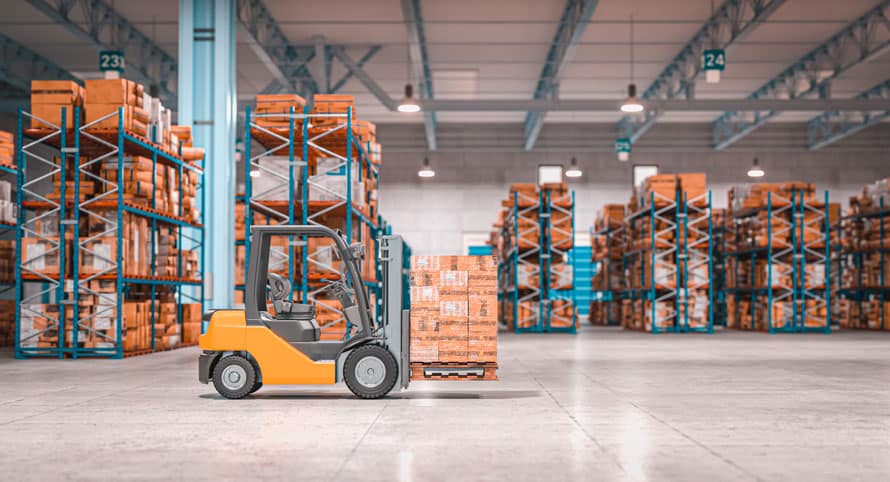
In material handling and warehouse management, the efficiency and reliability of equipment are paramount. At Green Power Forklift Batteries, we understand that the choice of battery technology can significantly influence these factors. This is why we advocate for the use of a lithium-ion forklift battery, which provides a host of advantages over traditional battery types. These batteries are not just a power source but a pivotal component that can enhance the entire logistics and operational framework of material handling tasks.
Why Choose Lithium-Ion Batteries?
Superior Energy Efficiency
Lithium-ion batteries boast a higher energy density than traditional lead-acid batteries. This feature allows them to provide a longer operational life per charge, which means less time spent recharging and more time moving inventory. This efficiency is crucial for operations looking to maximize productivity during intensive work periods.
Fast Charging and Opportunity Charging
One of the most significant advantages of lithium-ion batteries is their ability to charge quickly and accept opportunity charging. These batteries can be topped off during short breaks without damaging their longevity, thus ensuring that forklifts are ready to go at all times. This capability is particularly beneficial in multi-shift operations where equipment must perform consistently across extended hours.
Maintenance-Free Operation
Lithium-ion batteries require no regular maintenance like watering, equalizing, or cleaning that lead-acid batteries demand. This lack of maintenance not only saves on labor costs but also reduces the risk of downtime due to battery failures. The maintenance-free nature of these batteries makes them ideal for busy and demanding warehouse environments.
Longevity and Cost-Effectiveness
Although the initial investment in lithium-ion technology may be higher than that for lead-acid batteries, the overall return on investment is significantly greater. Lithium-ion batteries offer a much longer life cycle, enduring thousands of charge cycles with minimal degradation. This durability translates to fewer battery replacements and lower long-term operational costs.
Consistent Power Delivery
Unlike lead-acid batteries, which can experience a decrease in voltage as they discharge, lithium-ion batteries maintain consistent power levels throughout their use. This consistent output ensures that forklifts operate at optimal levels until the battery needs recharging, thus avoiding reductions in performance that can slow down operations.
Operational Impacts of Lithium-Ion Battery Adoption
Switching to lithium-ion batteries can transform the operational dynamics of a warehouse or distribution center. Facilities that have adopted this technology report several immediate improvements, including increased up-time, enhanced worker productivity due to less time spent on battery maintenance and charging, and improved safety due to the stable chemical properties of lithium-ion batteries.
Moreover, the environmental impact of switching to lithium-ion is profoundly positive. These batteries are cleaner and offer a greener alternative by reducing emissions and waste associated with lead-acid batteries. For companies committed to sustainability, this can also help in achieving green certifications and improving their public eco-responsible image.
Enhancing Safety and Sustainability in Operations
The integration of lithium-ion batteries into forklift operations not only boosts efficiency and reduces costs but also significantly enhances workplace safety and environmental sustainability. This section explores how the features of lithium-ion batteries contribute to safer and greener working environments.
Improved Safety Standards
Lithium-ion batteries offer several safety advantages over their lead-acid counterparts:
- Reduced Risk of Acid Spills: Unlike lead-acid batteries, lithium-ion batteries do not contain liquid electrolytes that can spill or leak. This eliminates the risks associated with acid spills, such as burns and damage to equipment or flooring, enhancing the overall safety of the workplace.
- Lower Fire Risk: Lithium-ion batteries are equipped with advanced Battery Management Systems (BMS) that constantly monitor the battery’s state and regulate temperature and voltage. This significantly reduces the risk of overheating and potential fires, a concern often associated with other types of batteries, particularly when improperly handled or maintained.
- No Harmful Emissions: Operating without emitting dangerous gases, lithium-ion batteries do not compromise air quality in the workplace. This is particularly important in enclosed spaces where ventilation may be limited, protecting workers from exposure to toxic substances commonly associated with lead-acid batteries, such as hydrogen gas during charging.
Promoting Environmental Sustainability
Adopting lithium-ion technology also supports environmental conservation efforts in several ways:
- Reduced Environmental Footprint: The longevity and efficiency of lithium-ion batteries mean fewer units need to be produced, reducing the consumption of raw materials and energy associated with manufacturing. Additionally, their maintenance-free nature minimizes the use of water and other resources typically required for battery upkeep.
- Enhanced Recyclability: At the end of their long service life, lithium-ion batteries can be recycled more effectively than lead-acid batteries. The materials recovered, such as cobalt and lithium, can be reused in new batteries or other products, fostering a circular economy model and reducing landfill waste.
- Decreased Carbon Emissions: By improving energy efficiency and reducing the frequency of charge cycles, lithium-ion batteries help lower electricity usage and associated carbon emissions. For organizations committed to reducing their carbon footprint, switching to lithium-ion can be a significant step toward achieving sustainability goals.
Streamlined Compliance and Reporting
The shift towards environmentally friendly operations with lithium-ion batteries also simplifies regulatory compliance and enhances corporate responsibility reporting:
- Easier Compliance with Environmental Regulations: Many industries face strict regulations regarding waste management and emissions. Using lithium-ion batteries helps companies comply more easily with these regulations due to their cleaner technology and reduced waste production.
- Improved Sustainability Reporting: Companies can leverage their use of lithium-ion technology to improve their sustainability reports. By documenting the reduction in energy consumption, waste, and emissions, businesses can better communicate their commitment to sustainable practices to stakeholders and the public.
Future-Proofing Operations with Lithium-Ion Technology
As the material handling industry continues to evolve, staying ahead of technological advancements is crucial for maintaining competitive advantage and operational excellence. The adoption of lithium-ion forklift batteries is more than just an upgrade; it is a strategic investment in the future of warehouse and logistics operations. This final section discusses how embracing lithium-ion technology can future-proof businesses and prepare them for emerging industry trends.
Adapting to Rapid Technological Changes
Scalability
Lithium-ion batteries are well-suited to scalable operations. As businesses grow and operational demands increase, lithium-ion batteries can easily accommodate higher workloads without the need for frequent replacements. This adaptability makes them an ideal choice for companies planning for long-term growth and expansion.
Compatibility with Automated Systems
Automation is becoming increasingly prevalent in material handling due to its potential to reduce labor costs and increase precision. Lithium-ion batteries are compatible with automated guided vehicles (AGVs) and robotic forklifts, providing the reliable, consistent power that these technologies require to operate effectively.
Smart Battery Technology
The integration of smart technologies in lithium-ion batteries, such as real-time monitoring and analytics, aligns with the industry’s shift towards data-driven operations. These features enable businesses to optimize battery usage, predict maintenance needs, and manage energy consumption more effectively, thereby enhancing overall operational efficiency.
Supporting a Resilient Supply Chain
The reliability and efficiency of lithium-ion batteries contribute significantly to creating a more resilient supply chain:
- Reduced Downtime: The fast charging and longer runtimes of lithium-ion batteries minimize downtime, ensuring that forklifts spend more time moving goods and less time at charging stations. This efficiency is crucial for maintaining steady and reliable supply chain operations, particularly during periods of high demand.
- Enhanced Operational Continuity: The durability and low maintenance requirements of lithium-ion batteries ensure that they perform consistently over long periods, supporting uninterrupted operations. This continuity is essential for businesses that cannot afford unexpected disruptions or delays.
- Energy Independence: As energy costs continue to rise and environmental regulations become stricter, the energy efficiency of lithium-ion batteries provides a significant advantage. By reducing dependence on external energy sources and minimizing energy waste, businesses can better control operational costs and reduce their environmental impact.
Green Power Forklift Batteries is committed to providing our customers with advanced new and refurbished battery solutions that not only meet their current needs but also equip them for the challenges and opportunities of the future. By choosing lithium-ion technology, businesses are not just investing in a battery—they are investing in a smarter, more sustainable, and more resilient operational framework.
