
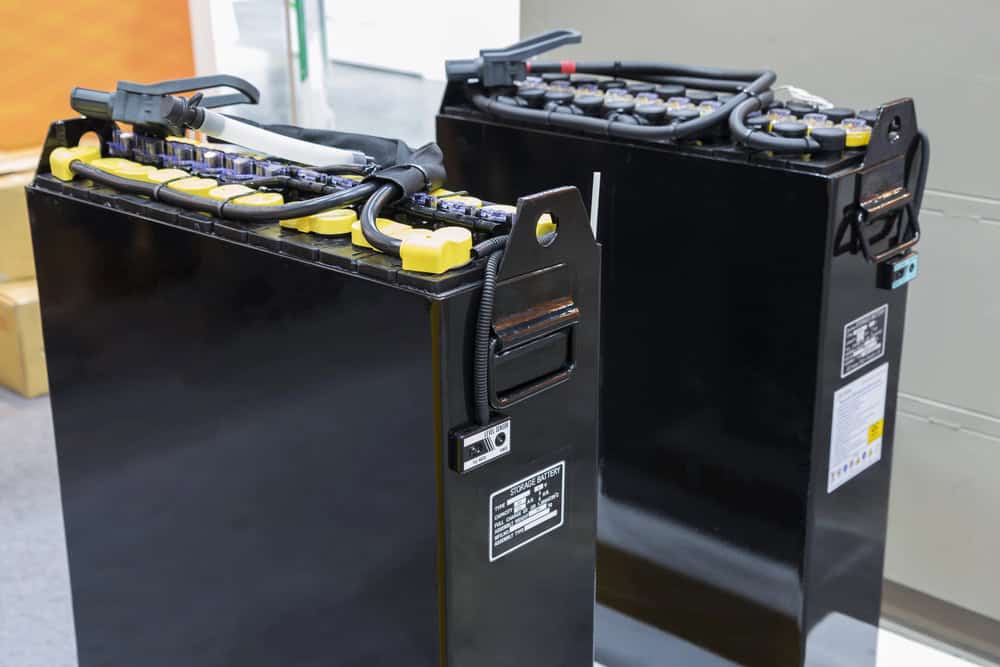
When considering a battery lithium forklift, one of the most common questions businesses ask is, “How long does the battery last?”
A lithium battery can last 10+ years. Understanding the lifespan of your forklift’s battery is important for budgeting, maintenance, and overall performance. Lithium-ion batteries have been making waves in the material handling industry due to their efficiency, longevity, and low maintenance requirements compared to traditional lead-acid batteries.
But how long do they last, and what factors influence their lifespan? Let’s look into the details.
What Is a Lithium Forklift Battery?
A battery lithium forklift is a type of rechargeable battery designed specifically to power electric forklifts. These batteries utilize lithium-ion technology–known for offering high energy density, fast charging capabilities, and significantly longer lifespan than traditional lead-acid batteries.
Lithium-ion batteries are popular in forklifts. They are not only efficient and compact but also offer reliable performance throughout their life cycle.
Lithium-ion technology is used in various applications, from smartphones to electric vehicles. It has now found its place in the industrial sector with forklifts. If you are considering switching your fleet to electric forklifts powered by lithium batteries, understanding how long these batteries will last is key to making an informed decision.
The Average Lifespan of a Lithium Forklift Battery
One of the biggest advantages of a battery lithium forklift is its longevity.
On average, lithium-ion batteries can last a minimum 3,000 charge cycles. This typically translates to well over 10 year of use under optimal conditions. This is significantly longer than lead-acid batteries, which usually last around 2,000 charge cycles (around 7 to 10 years).
The longevity of a lithium forklift battery depends on various factors. However, overall, they have capabilities to outlast their lead-acid counterparts by a considerable amount. This makes lithium batteries an excellent long-term investment for businesses looking to reduce operational downtime and maintenance costs.
Factors That Affect the Lifespan of a Lithium Forklift Battery
Although lithium batteries have a long lifespan, several factors play a role in determining how long they will last. Let’s take a look at the key factors that influence the longevity of a battery lithium forklift:
- Charging Practices
How you charge the battery has a significant impact on its lifespan. Different from lead-acid batteries, which require deep discharges before recharging, lithium-ion batteries do not have this requirement. In fact, deep discharging can shorten the lifespan of the battery.
It is generally recommended to charge the battery lithium forklift when it reaches around 20-30% of its capacity. Charging to full capacity is fine. However, regularly allowing the battery to run down to zero can damage the cells and reduce their overall life.
Opportunity charging, where the battery is charged multiple times throughout the day, is another benefit of lithium batteries. Lithium-ion batteries can be topped off at any time without affecting the battery’s performance. This is especially helpful in multi-shift operations. It helps reduce downtime and keep your forklifts operational throughout the day.
- Operating Conditions
The temperature in which the battery lithium forklift is used plays a significant role in determining how long the battery will last. Lithium-ion batteries perform best in moderate temperatures.
The ideal temperature range for these batteries is between 32°F and 113°F (0°C to 45°C). If the battery is exposed to extreme heat or cold, it can degrade faster and lose capacity over time.
Extreme temperatures can also affect the efficiency of the battery. For instance, in extremely hot environments, the battery may overheat and lose power faster. Meanwhile, in cold conditions, the battery’s capacity can be significantly reduced, leading to shorter run times.
It is important to store and use the battery within the recommended temperature range. Many lithium forklift batteries come equipped with built-in temperature management systems to prevent overheating. However, it is still vital to keep them in a temperature-controlled environment.
- Battery Maintenance
While lithium-ion batteries are known for their low maintenance requirements, this does not mean they are entirely maintenance-free.
Regular inspections are necessary to make sure that the battery is functioning properly and safely. Periodic checks on the battery’s overall condition, including connections, voltage levels, and external wear, are necessary to prevent problems that could lead to a shorter lifespan.
Unlike lead-acid batteries, lithium-ion batteries do not require water maintenance or regular cleaning. However, keeping the battery terminals clean and guaranteeing the battery is not exposed to excessive dirt or debris will help extend its lifespan.
Most battery lithium forklift manufacturers recommend regular servicing, although the frequency of these checks will depend on the specific model and usage patterns.
- Depth of Discharge (DOD)
The Depth of Discharge (DOD) refers to the percentage of the battery’s total capacity that is used before the battery is recharged. Generally, the lower the DOD, the longer the battery will last. For lithium batteries, it is ideal to maintain a DOD of around 20-30%.
Frequent deep discharges can shorten the lifespan of the battery. For example, if a forklift uses 80-90% of the battery’s capacity regularly before charging, the battery will not last as long as one that is regularly recharged before reaching such a low charge. It’s best to keep the battery in a higher charge range to maximize its lifespan.
- Battery Management System (BMS)
Lithium-ion batteries are often equipped with a Battery Management System (BMS). This helps monitor and manage the battery’s performance. The BMS makes sure that the battery operates within safe parameters, such as temperature and voltage, and protects the battery from damage due to overcharging, deep discharging, or excessive temperatures.
The BMS also helps extend the battery’s life by guaranteeing it is charged and discharged at the right rates to prevent any performance degradation. Keeping your battery lithium forklift equipped with a high-quality BMS is a great way to maximize its longevity.
Benefits of Lithium Forklift Batteries Over Lead-Acid
Now that we’ve covered the lifespan of a battery lithium forklift, let’s explore some of the advantages of choosing lithium over traditional lead-acid batteries:
- Longer Lifespan: As mentioned earlier, lithium batteries generally last much longer than lead-acid batteries. This means fewer battery replacements and a lower total cost of ownership over time.
- Faster Charging Times: Lithium forklift batteries charge much faster than lead-acid batteries. A lithium battery can reach up to 80% charge in just 1-2 hours. Its fast-charging capability reduces downtime and increases your forklift fleet’s productivity.
- Lower Maintenance Costs: Lithium batteries require much less maintenance than lead-acid batteries. With no need for watering, cleaning, or frequent inspections, you can reduce labor costs and keep your forklifts running smoothly without worrying about routine battery upkeep.
- Higher Efficiency and Power: Lithium-ion batteries maintain their power output even as they discharge. Lead-acid batteries, on the other hand, lose efficiency as they drain. This means that with a lithium battery, you can expect consistent performance throughout the entire shift. For this reason, they are ideal for high-demand environments.
A lithium battery forklift can last a minimum of 10 years. This makes it a great long-term investment for your business. Lithium-ion technology offers longer lifespans, faster charging, and lower maintenance compared to traditional lead-acid batteries.
Green Power Forklift Batteries offers premium lithium forklift batteries at competitive prices. Most new batteries include a 7-year warranty, offering long-term reliability. They have fast lead times to help you reduce downtime and keep your operations running. Our customer service team has years of experience and is always ready to assist.
Whether you need guidance on choosing the right battery or support after your purchase, we are here to help. Feel free to reach out to us for more information on our battery lithium forklift options.
