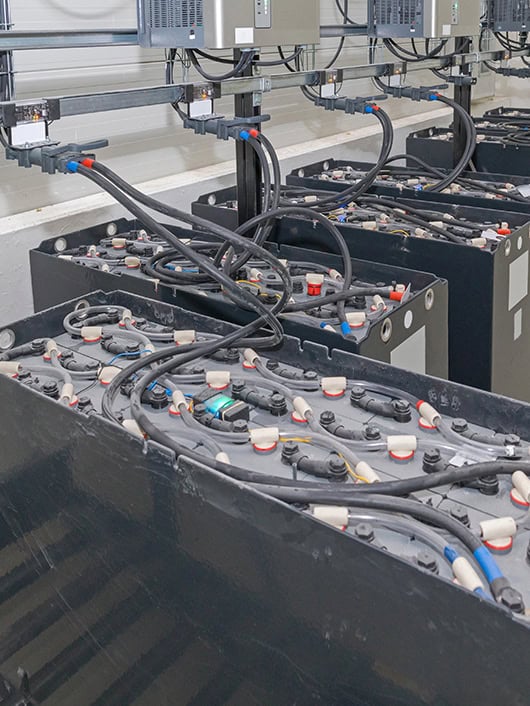
How to Sell Your Scrap Forklift Battery: What You’ll Get Paid and How the Process Works

Understanding Barrett Forklift Batteries: Size And Price Guide

Quick Summary

Selling a scrap forklift battery is a straightforward way to recover value from a unit that’s reached the end of its service life while responsibly clearing space in your facility. Payouts are typically based on the battery’s weight and lead content, along with current market rates for scrap lead. Knowing what affects pricing, and how a reputable buyer handles pickup and paperwork, helps you get a fair payout without unnecessary delays or hidden deductions along the way.

If you’ve got an old forklift battery sitting in a corner of your warehouse, you’re sitting on more value than you might think. Industrial lead-acid batteries contain a significant amount of recoverable lead, which means buyers are willing to pay for scrap units rather than let them go to waste.

Learning how to sell scrap forklift batteries the right way can turn a piece of dead equipment into real cash, while also keeping your facility compliant with proper disposal practices.

What Determines the Payout on a Scrap Forklift Battery

Pricing for a scrap forklift battery isn’t a flat rate. Several factors influence what a buyer will offer:

  • Weight. Forklift batteries are priced largely by weight, since the lead content scales with the size of the unit. A large 80V battery will be worth more than a smaller 24V unit.
  • Condition. A battery with an intact case and no signs of leaking electrolyte is easier to transport and process, which can affect the offer.
  • Current scrap lead market rates. Like any commodity, lead prices fluctuate. A buyer’s offer will reflect the market rate at the time of pickup, not a fixed price that never changes.
  • Volume. If you’re clearing out multiple batteries at once, some buyers offer better per-unit rates for bulk pickups.
  • Battery type. Lead-acid units make up the bulk of the scrap market, though older lithium-ion batteries may require specialized handling that affects pricing and pickup logistics differently.

Because pricing shifts with the market, it’s worth asking for a current quote rather than relying on a number you saw months ago.

The Step-by-Step Process for Selling Your Battery

  1. Request a quote. Provide basic details about the battery, including voltage, approximate weight, and condition, so the buyer can give you an accurate estimate.
  2. Confirm logistics. A reputable buyer will coordinate pickup, since forklift batteries are heavy and require proper equipment and a truck lift-gate to move safely.
  3. Battery pickup and weighing. The battery is weighed on-site or at a facility, and the final payout is calculated based on that verified weight.
  4. Payment. Once the battery is confirmed and weighed, payment is issued, typically by check or electronic transfer depending on the buyer’s process.
  5. Documentation. Ask for a bill of sale or transfer record for your files. This protects you in case questions come up later about how the battery was disposed of.

Why Proper Handling Matters

Lead-acid batteries contain sulfuric acid and lead plates, both of which are regulated materials. Selling to a buyer who handles transport and processing correctly keeps your facility on the right side of environmental rules and avoids the liability that comes with improper disposal. It also means the lead inside the battery gets recovered and reused, rather than sitting in a landfill.

Common Mistakes that Cost You Money

  • Waiting too long to get a quote. Scrap prices move with the market, so an old estimate may not reflect what you’d actually get paid today.
  • Not disclosing damage. If a case is cracked or leaking, say so upfront. Buyers will usually still take the battery, but surprises during pickup can slow down payment.
  • Selling piecemeal to unverified buyers. Working with an established company reduces the risk of lowball offers or pickup no-shows.
  • Forgetting about multiple units. If you have several old batteries on-site, bundling them into one pickup is usually more efficient and can improve your overall payout.

Turn Your Old Battery Into Cash

Green Power Forklift Batteries makes it simple to sell your scrap or end-of-life forklift battery. We provide a straightforward quote, handle pickup logistics, and pay promptly once the battery is weighed and confirmed.

Contact us today to find out what your battery is worth.

FAQs

How much can I get for a scrap forklift battery?

Payout depends on the battery’s weight, condition, and current scrap lead market rates. Larger, heavier batteries generally bring higher payouts than smaller units.

No significant preparation is needed. Just disclose the battery’s condition, including any leaks or case damage, so the pickup can be scheduled with the right equipment.

Once the battery is picked up and weighed, payment is typically issued quickly, often within the same visit or shortly after, depending on the buyer’s process.

Yes. Bundling multiple units into a single pickup is common and can streamline both the logistics and your overall payout.

Yes, selling a used lead-acid battery for scrap recovery is legal and common practice, provided it’s handled through a buyer equipped to transport and process it correctly.
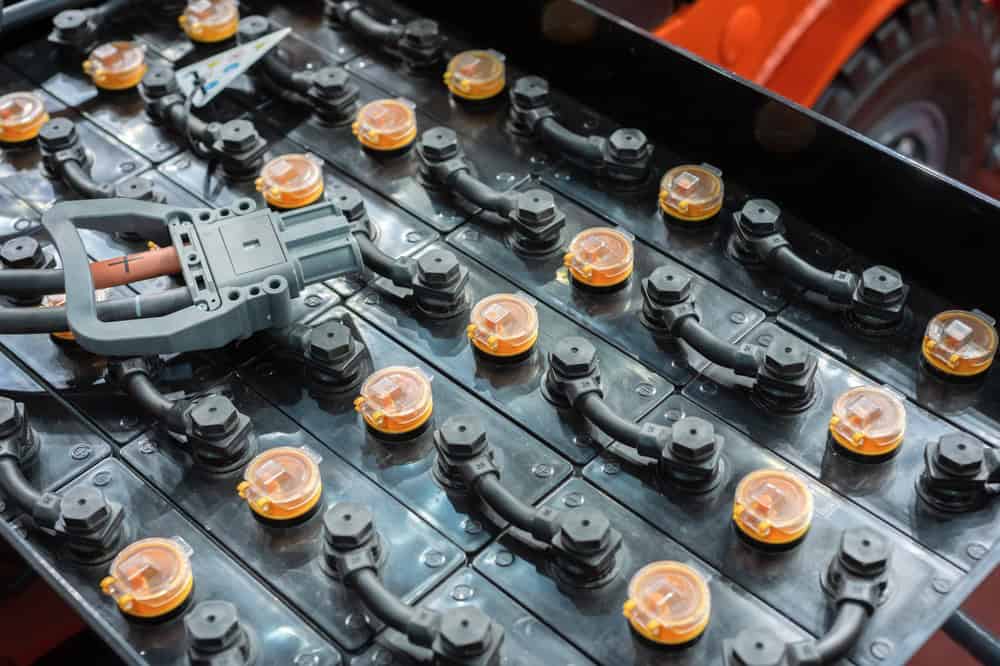
Forklift Battery Recycling: EPA Rules, Lead-Acid Disposal, and Green Power’s Buy-Back Program

Quick Summary

Forklift battery recycling is not optional for most facilities, since lead-acid batteries are classified as a regulated material under federal environmental rules. Improper disposal can expose a business to real liability and environmental harm, while proper recycling recovers valuable lead and keeps facilities compliant. Understanding the basic regulatory framework, along with how a buy-back program works, helps operations managers handle end-of-life batteries responsibly and even recover some value in the process.

Every forklift battery eventually reaches the end of its usable life, and what happens next matters more than many facility managers realize. Forklift battery recycling isn’t just good environmental practice; it’s a regulatory requirement for most businesses handling lead-acid batteries.

Understanding the rules, along with the practical steps to recycle correctly, keeps your facility compliant and can even put some money back in your pocket.

Why Lead-Acid Batteries Are a Regulated Material

Lead-acid forklift batteries contain both lead and sulfuric acid, two materials that fall under environmental regulation due to their potential impact on human health and the environment if handled improperly.

The Environmental Protection Agency classifies spent lead-acid batteries as universal waste, a category that comes with specific rules for storage, labeling, and transportation, separate from standard hazardous waste requirements. These rules exist because lead is highly recoverable and reusable when processed correctly, but harmful if it ends up in a landfill or is disposed of improperly.

Businesses that generate spent lead-acid batteries are generally responsible for making sure they’re recycled or disposed of through a permitted handler, not simply thrown out with regular waste.

What Proper Forklift Battery Recycling Looks Like

A compliant recycling process typically includes:

  • Proper storage before pickup. Batteries should be stored upright, protected from physical damage, and kept away from areas where a leak could create a larger hazard.
  • Working with a permitted recycler or buyer. Not every scrap buyer follows the correct handling and transportation protocols. Working with an established company reduces your liability.
  • Documentation. Keep records of when batteries were picked up and by whom. This protects your business if questions ever arise about how the material was handled.
  • Avoiding improper transport. Lead-acid batteries require specific handling during transport due to their weight and acid content. This is not something that should be handled without the right equipment.
  • Prevent unauthorized disposal. Do not send damaged or spent batteries to general waste streams. Keep batteries separated and route them through an established recycling channel that can handle lead-acid materials correctly.
  • Inspect batteries for damage before handling. Look for cracked cases, leaking electrolyte, damaged terminals, or other visible issues so the battery can be handled with appropriate precautions.
  • Follow applicable recycling requirements. Confirm that the recycling process follows local, state, and federal requirements for spent lead-acid batteries, including any rules that apply to storage and transportation.

How Recycling Recovers Value

One of the most encouraging facts about lead-acid battery recycling is how effective it is. The lead inside a spent battery can be recovered and reused in new battery manufacturing, which is part of why buyers are willing to pay for scrap units rather than treat them as waste.

This creates a practical benefit for facility managers: selling scrap forklift batteries through a legitimate buy-back program turns an end-of-life disposal obligation into a source of recovered value instead of a pure cost center.

Green Power’s Buy-Back Program

Green Power Forklift Batteries operates a buy-back program that takes the guesswork out of end-of-life battery handling. Here’s how it works:

  1. Contact us with details about the battery, including voltage and approximate condition.
  2. We provide a quote based on current market conditions.
  3. We coordinate pickup, since these units are heavy and require the right equipment to move safely.
  4. The battery is weighed and payment is issued.

This program gives facility managers a straightforward, compliant path to clear out old batteries without having to research recycling regulations on their own or risk working with an unverified buyer.

What Not to Do With an Old Forklift Battery

Avoid these common mistakes:

  • Storing a damaged or leaking battery without proper containment
  • Disposing of a battery through general waste channels
  • Selling to buyers who can’t confirm how the material will be processed
  • Letting old batteries sit indefinitely instead of recycling them through a buy-back program while they still hold recoverable value

Building Recycling Into Your Fleet Management Routine

Rather than treating recycling as a one-time scramble when a battery finally dies, many facility managers build it into their regular fleet management routine. Tracking approximate battery age and performance trends makes it easier to plan for end-of-life pickup before a battery becomes a storage problem or a safety concern.

This also makes budgeting simpler, since you can anticipate roughly when a batch of batteries purchased around the same time will need to be recycled, and factor the value of a buy-back into your next battery purchase decision rather than treating it as an afterthought.

Recycle Your Old Battery the Right Way

If you have a forklift battery that’s reached the end of its service life, contact Green Power today. We’ll walk you through what your unit is worth and how our buy-back program handles pickup from start to finish.

FAQs

Are forklift batteries considered hazardous waste?

Lead-acid forklift batteries are classified as universal waste by the EPA, a category with specific handling rules that are less stringent than full hazardous waste requirements but still legally binding.

No. Lead-acid batteries must be recycled or disposed of through a permitted handler, not discarded with general waste, due to their lead and acid content.

Contact us with your battery’s details, receive a quote, and we’ll coordinate pickup. Once the battery is weighed and confirmed, payment is issued.

The lead is recovered and reprocessed for reuse in new battery manufacturing, making lead-acid recycling one of the most effective closed-loop recycling processes in industrial materials.

Businesses can face liability for improper disposal, which is why it’s important to work with an established buyer who follows correct handling and transportation practices.

Yes, damaged batteries can still be recycled, but leaking, cracked, or otherwise compromised units require appropriate handling and transportation.

Should You Opportunity Charge Your Forklift Battery?

Should You Opportunity Charge Your Forklift Battery?

Opportunity charging charges forklift batteries in a fraction of the time conventional charging takes, but this method isn’t the best option for every business. Continue reading to learn if you should opportunity charge your forklift battery.

How Opportunity Charging Works

Opportunity charging is when a forklift operator charges their lift truck’s battery during a short downtime, such as during lunch, rest breaks, or shift changes. At the end of the charge period, the battery has enough power to last until the next charge.

Opportunity charging takes 10 to 30 minutes, and batteries need a weekly equalization charge to 100 percent. Typical opportunity chargers will charge the battery up to 80 percent before shutting off.

Benefits for Two-Shift Operations

If your facility operates two shifts, you should consider opportunity charging forklift batteries. This charging method gives the battery enough power to work through both shifts, boosting productivity. And because the batteries spend more time powering lift trucks, opportunity charging can let you do the same amount of work with fewer batteries.

Conventional charging typically requires 8 hours of continuous charging, followed by a cooldown period. Opportunity charges save time by taking advantage of natural breaks in the work schedule. It also saves time by minimizing how often operators change out the batteries.

Limitations of Opportunity Charging

Opportunity charges work best for facilities that run two-shift operations. With only one shift per day, conventional charging is convenient. Conventionally charged batteries also have a longer working lifespan than opportunity-charged batteries.

Facilities that use three shifts can benefit best from fast charging. Compared to opportunity charging, fast charging cycles take less time and charge the battery to a lower state of charge. But of the three charging methods, fast charging will decrease the battery’s overall lifespan the most.

If you decide to use opportunity charging, strategically place the chargers near break rooms and work areas. This makes it more efficient for staff to charge their lift truck batteries during breaks.

Green Power Forklift Batteries has new and refurbished forklift batteries for sale. Whether you run forklifts on single or multiple shifts, our lead-acid batteries will power your equipment reliably. Shop with us today for high-quality forklift batteries.

The Safest Ways To Move a Forklift With a Dead Battery

The Safest Ways To Move a Forklift With a Dead Battery

When your lift truck’s lead-acid battery dies, you need to move the forklift to the charging station so you can extract and charge the battery. Read on to discover the safest ways to move a forklift with a dead battery.

Swap Batteries

If your lift truck has a side-loading compartment rather than a top-loading compartment, you could potentially swap batteries without moving the dead lift truck. You’ll need a charged backup battery and a mobile battery extractor. The mobile battery extractor enables you to change out the battery anywhere in your facility.

Follow the battery extractor manufacturer’s instructions to pull the battery out safely. Features like friction strips and rollers on the battery changer will let the machine move the battery into the device’s compartment and keep it secure during transport.

Tow It In

One of the safest ways to move a forklift with a dead battery is to tow it using your equipment manufacturer’s instructions found in the service manual. The towing forklift must have enough braking capacity, weight, and power to control both trucks for the grade and distance. You may need to connect additional lift trucks to the rear of the disabled lift truck to prevent uncontrolled rolling if moving downhill.

Consult your service manual for instructions for your specific model. The towing lift truck will need a shield to protect the operator if the tow line breaks. Keep the tow line angle to a minimum and connect the tow line as low as possible to the disabled lift truck.

The disabled truck’s service brake pedal should be released, the key switch in the off position, and the direction control lever in neutral. Travel over a short distance and move slowly, at about 1 mph.

Jump-Start the Dead Battery

Another option for moving the disabled forklift is to jump-start the dead battery. The live battery should have the same voltage as the dead one. Follow your manufacturer’s instructions so you don’t damage your forklift’s electrical system or cause injury.

Check the fluid levels before starting. Move the operational truck close enough for the cables to reach the dead battery. Turn off both forklifts and engage each truck’s parking brake.

Attach the red jumper cables to the positive terminals of the live and dead batteries. Attach one end of the black cable to the functioning battery and the other to a piece of solid, stationary metal on the dead forklift’s engine, at least 18 inches away.

Start the engine of the functioning lift truck and let it idle for several minutes. Next, start the disabled forklift and let it run for a few minutes.

Remove the cable attached to the metal first, then the black cable connected to the negative terminal. Finally, remove both of the red cables.

Practice proper charging to maximize the lifetime usage of your batteries. Once you need a replacement, visit Green Power Forklift Batteries. We offer a range of options for industrial forklifts, including Crown forklift batteries. Shop with us today for a new battery.

Saving Money And The World With Recycled Forklift Batteries

Refurbished Forklift Batteries

It’s that time of year again and you need to buy batteries for your forklifts, but your yearly budget is looming. Surely there must be an alternative, a more affordable way to run your forklifts.

Perhaps it’s time you considered the option of buying recycled forklift batteries. You may be thinking that a recycled forklift battery could never do the job of a brand new battery straight off the production line, but with GreenPower batteries you will be buying a product that not only does the same job as a brand new battery but will help to lighten the load on your budget.

GreenPower batteries has a wide range of recycled forklift batteries that are put through a rigorous 18 stage reconditioning process  that ensures that when you buy your recycled forklift batteries from us, you are buying a high quality functional product.

Still not convinced? what if I told you that buying our recycled forklift batteries can help to lower your carbon footprint and ensure your company can do its part to help preserve the environment. So not only are you saving money with GreenPower batteries you are also saving the environment for future customers.

We have an extensive list of recycled forklift batteries available so why not peruse our list below and remember that the only differences between a new forklift battery and a recycled forklift battery is cost and making the world a better place.

Green Power Batteries buys,sells and ships used or scrap forklift batteries throughout the USA and Canada.


Your Name

Company Name (optional)

Zip Code (Ship To)

Email

Phone (optional)

Message: How can we help you?

Recycled Forklift Batteries

Refurbished Forklift Batteries

So your Forklift has been sluggish lately and unresponsive. Perhaps it’s time to fork out some money for a brand new battery and get your business back on track. But wait, what if their were a cheaper option available that could not only save your company money but also help to reduce your carbon footprint.

Green power batteries offer an amazing range of recycled forklift batteries at an affordable price and when you buy a recycled forklift battery from us you know you will be purchasing a high quality product. All of our recycled forklift batteries go through a rigorous 18 stage reconditioning process which means that when you buy from us, you buy the best recycled forklift batteries.

Recycled forklift batteries are not only more affordable, they are a great way to show that your company is doing its part to help the environment while retaining a high level of output from your forklifts. You can be safe in the knowledge that you are buying the best recycled forklift batteries when you buy from Green power batteries. Just take a look at our qoutes at the bottom of the page.

There are recycled forklift batteries to suit all kinds of forklifts and if you want to purchase a brand new battery, we stock those as well.

Green Power Batteries buys,sells and ships used or scrap forklift batteries throughout the USA and Canada.


Your Name

Company Name (optional)

Zip Code (Ship To)

Email

Phone (optional)

Message: How can we help you?