
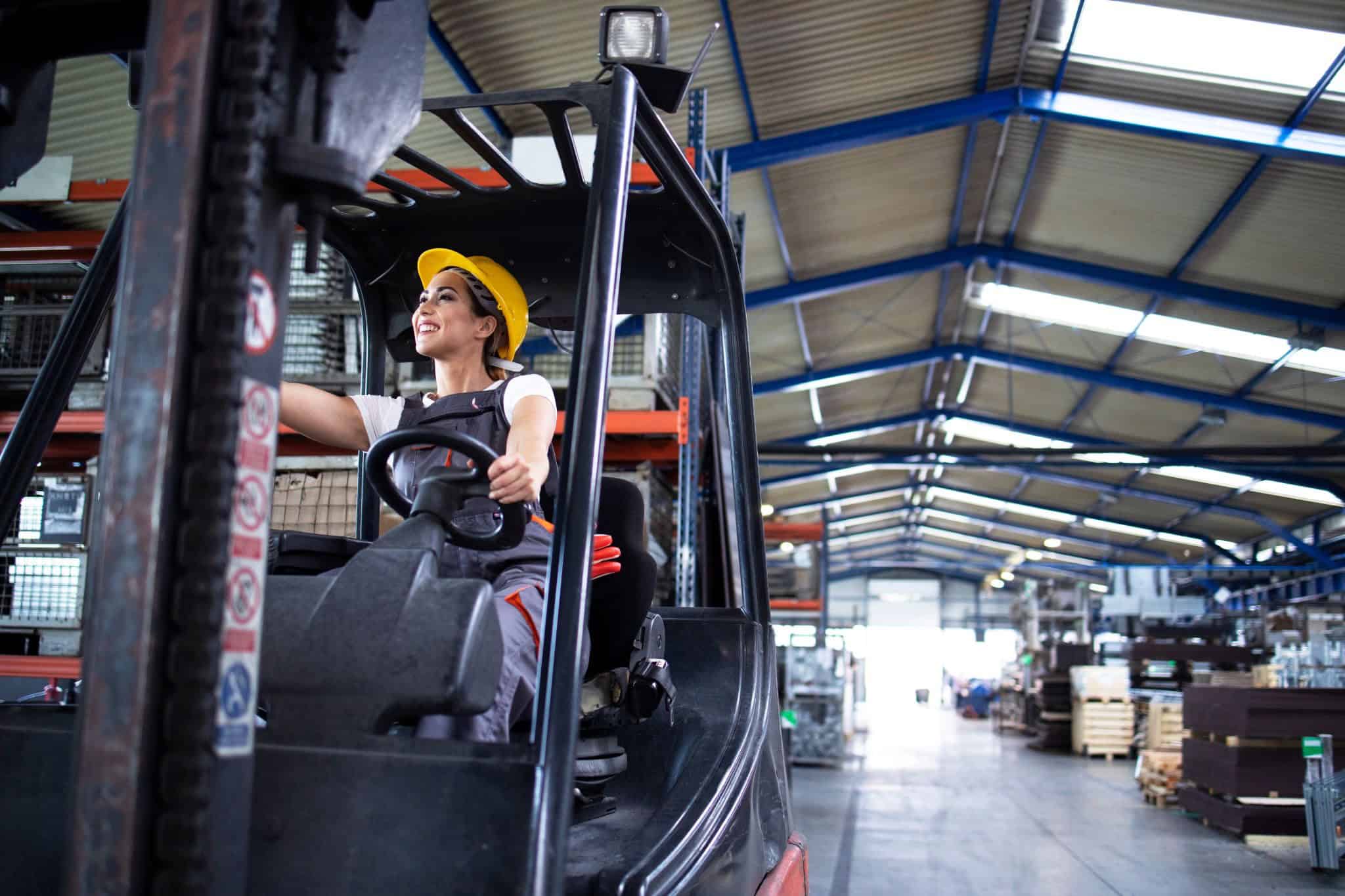
For businesses that rely on forklifts every day, the health of your forklift battery is critical. A well-maintained battery doesn’t just keep your equipment running smoothly—it extends the life of your investment, reduces downtime, and improves efficiency. Whether you’re working with new or reconditioned forklift batteries, following proper maintenance practices ensures consistent performance and lowers long-term costs.
At Green Power Batteries, we understand the demands placed on warehouse and industrial equipment. That’s why we’ve put together this comprehensive guide to forklift battery maintenance.
Why Forklift Battery Maintenance Matters
Your forklift battery is the heart of your equipment. Without reliable power, operations slow down, productivity drops, and safety can be compromised. Proper care ensures:
- Longer battery lifespan – A well-maintained battery can last several years longer.
- Improved safety – Prevents hazards caused by leaks, overheating, or electrical faults.
- Consistent performance – Keeps forklifts operating at peak power for full shifts.
- Lower costs – Reduces the need for frequent replacements and repairs.
Whether you’re using a brand-new forklift battery or a reconditioned one, regular upkeep is the key to dependable operation.
Daily Forklift Battery Maintenance Checklist
1. Charge Correctly
One of the most important habits in forklift battery care is proper charging. Avoid “opportunity charging” (plugging in during short breaks) unless you’re using a battery designed for that purpose. Instead, follow these best practices:
- Charge only when the battery reaches about 20–30% capacity.
- Allow the battery to fully charge to 100%.
- Avoid interrupting charge cycles.
This practice prevents sulfation buildup on the battery’s plates, which can shorten lifespan.
2. Check Water Levels
Lead-acid forklift batteries require regular watering to function properly. Low water levels can cause permanent damage, while overfilling can lead to acid overflow. Follow these steps:
- Check water levels after charging (never before).
- Use only distilled water.
- Fill until the water just covers the battery plates.
Consistently monitoring water levels is one of the simplest ways to prevent costly issues.
3. Keep Batteries Clean
Dust, dirt, and corrosion can reduce battery performance and pose safety risks. Regular cleaning prevents buildup that interferes with electrical connections.
- Wipe the battery casing with a damp cloth.
- Neutralize acid spills with a baking soda solution.
- Inspect for corrosion around terminals and cables.
Maintaining cleanliness is especially important in high-use environments where batteries are constantly handled.
Weekly and Monthly Maintenance
Equalize Charging
Over time, some cells in a forklift battery may become undercharged compared to others. Equalizing charges balances all cells and improves efficiency. Most chargers have an equalize setting—this should be done weekly or as recommended by the manufacturer.
Inspect Cables and Connectors
Loose or frayed cables can reduce efficiency and create hazards. During weekly checks, look for:
- Damaged insulation
- Loose connections
- Signs of overheating
Replacing worn parts promptly prevents bigger problems down the road.
Extending the Life of Reconditioned Forklift Batteries
At Green Power Batteries, many businesses choose reconditioned forklift batteries as a cost-effective and sustainable option. With proper maintenance, reconditioned batteries can perform almost like new ones. To maximize their value:
- Be extra consistent with charging and watering schedules.
- Schedule equalizing charges regularly.
- Monitor performance closely for early signs of reduced capacity.
With careful handling, reconditioned batteries can deliver years of reliable service at a fraction of the cost.
Safety Best Practices
Forklift batteries are powerful energy sources, and handling them incorrectly can be dangerous. Always follow safety precautions, including:
- Wearing gloves and safety glasses when checking water or cleaning.
- Using proper lifting equipment for heavy batteries.
- Charging in well-ventilated areas to avoid gas buildup.
Training employees in safe handling ensures both worker protection and battery longevity.
Signs Your Forklift Battery Needs Attention
Even with regular maintenance, batteries eventually show signs of wear. Watch for these red flags:
- Shortened run times between charges
- Excessive corrosion or acid buildup
- Unusual smells during charging
- Overheating or bulging
When these issues arise, consult a professional for inspection. Sometimes repairs are possible, but in other cases, replacement is the best option.
Partnering With Battery Experts
Proper maintenance is essential, but partnering with professionals ensures your batteries are always in top condition. By choosing Green Power Batteries, you’ll gain:
- Professional maintenance support
- Access to quality replacement batteries
- Guidance on optimizing charging stations and schedules
Conclusion
Your forklift battery is an investment worth protecting. With consistent daily, weekly, and monthly care, you can significantly extend the life of your batteries while ensuring maximum efficiency in your operations. Whether you rely on new units or reconditioned forklift batteries, proper maintenance will save you time, money, and stress.
At Green Power Batteries, we’re here to help you get the most out of your forklift power solutions. From expert tips to professional services, our team ensures your batteries stay reliable and productive for years to come.
